Uluwatu in Frames: Cliffs, Surf and Golden Light at Bali's Southern Edge
A visual journey through Uluwatu, where limestone cliffs, world-class surf breaks and clifftop temples define Bali's most dramatic coastline.
 MyGlob Editorial June 2, 2026 1 min read
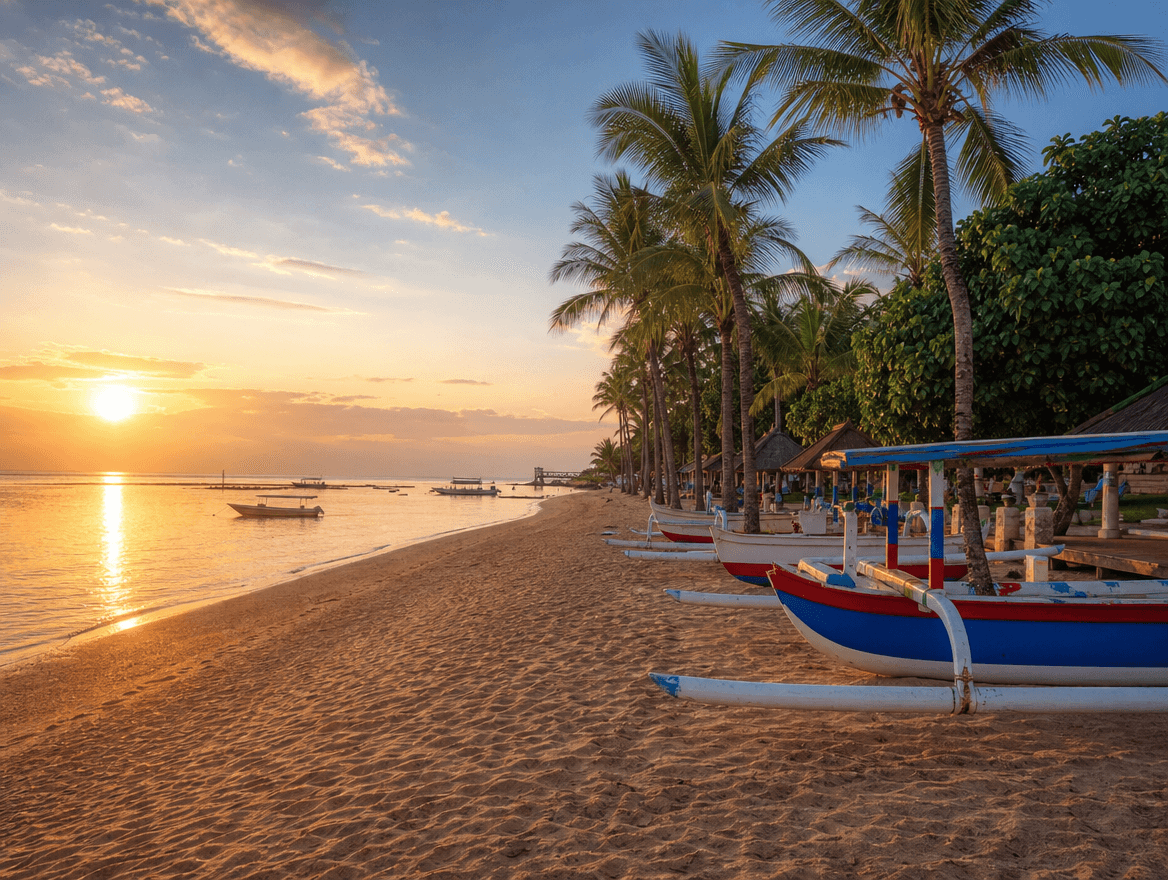
Perched on the southern tip of Bali's Bukit Peninsula, Uluwatu is a place defined by edges. The land falls away in sheer limestone walls, the Indian Ocean rolls in with relentless energy, and the light at the end of the day turns everything to bronze. If you photograph Bali, Uluwatu gives you scale, drama and contrast in a way few other corners of the island can match. This is a story told in frames — the cliffs, the surf, the temple, the hidden coves and the long golden hour that closes each day.
The Cliffs That Define the Coast
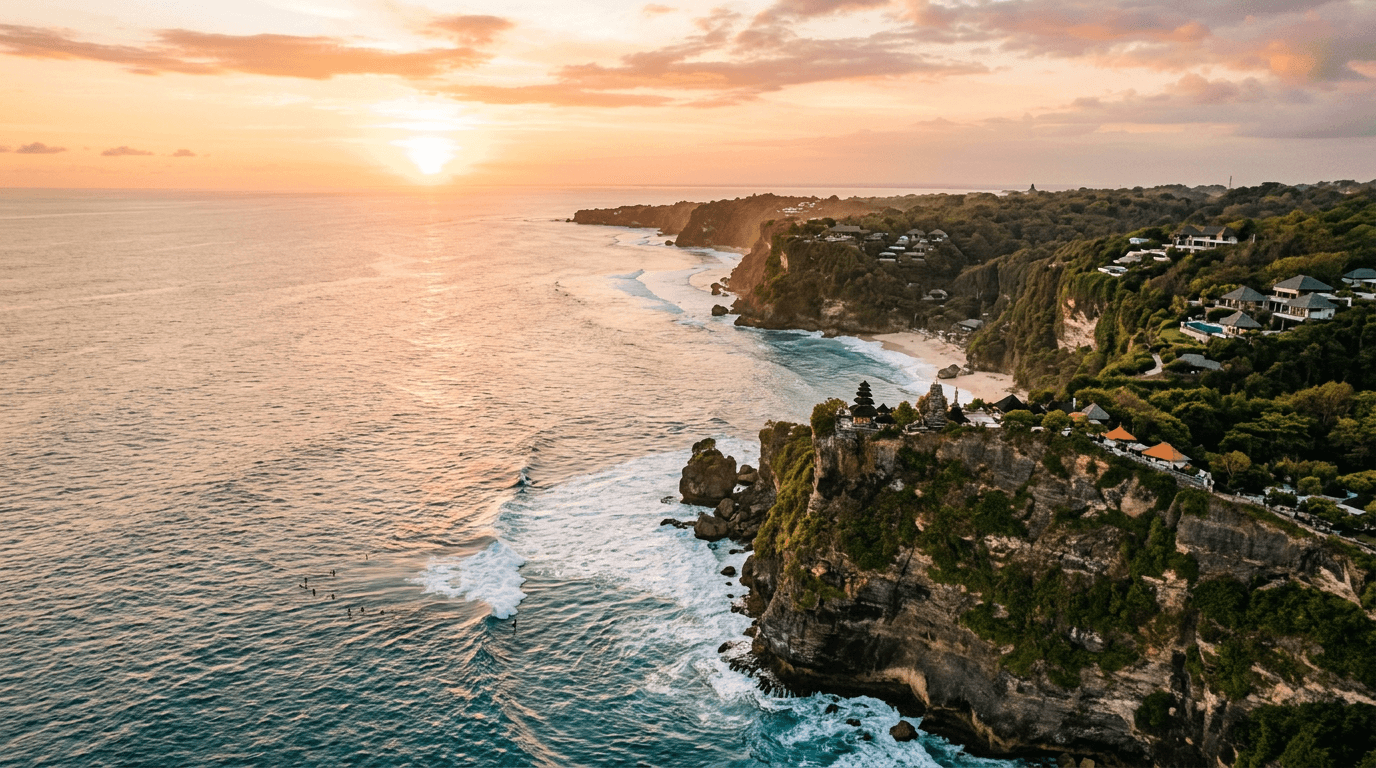
The first thing you notice in Uluwatu is verticality. Pale limestone cliffs rise as much as seventy metres above the sea, their faces streaked with mineral colour and crowned with windblown scrub. From the clifftop paths the ocean stretches out in bands of turquoise and deep blue, and the curve of the coastline disappears toward Padang Padang and Bingin.
For photography, the cliffs reward patience. Mid-morning light flattens them, but as the afternoon wears on the texture in the rock comes alive. Stand back far enough to include a tiny surfer or a lone figure on a ledge, and the sheer scale of the place reveals itself.
Where the Waves Are Legend
Uluwatu is one of the most famous surf destinations on Earth. The reef break here peels in long, powerful left-handers that draw surfers from every continent, and watching them from the cliff is a spectacle in itself. The best vantage is from the warungs that cling to the rock above the break, where you can nurse a coconut and watch riders thread through the wave for what feels like impossibly long rides.
Frame the surf at a distance to capture the geometry of the wave, or zoom in for the spray and the moment of drop-in. Either way, time your visit to the tide — the break is at its most photogenic when the swell is up and the light is low.
The Temple on the Edge
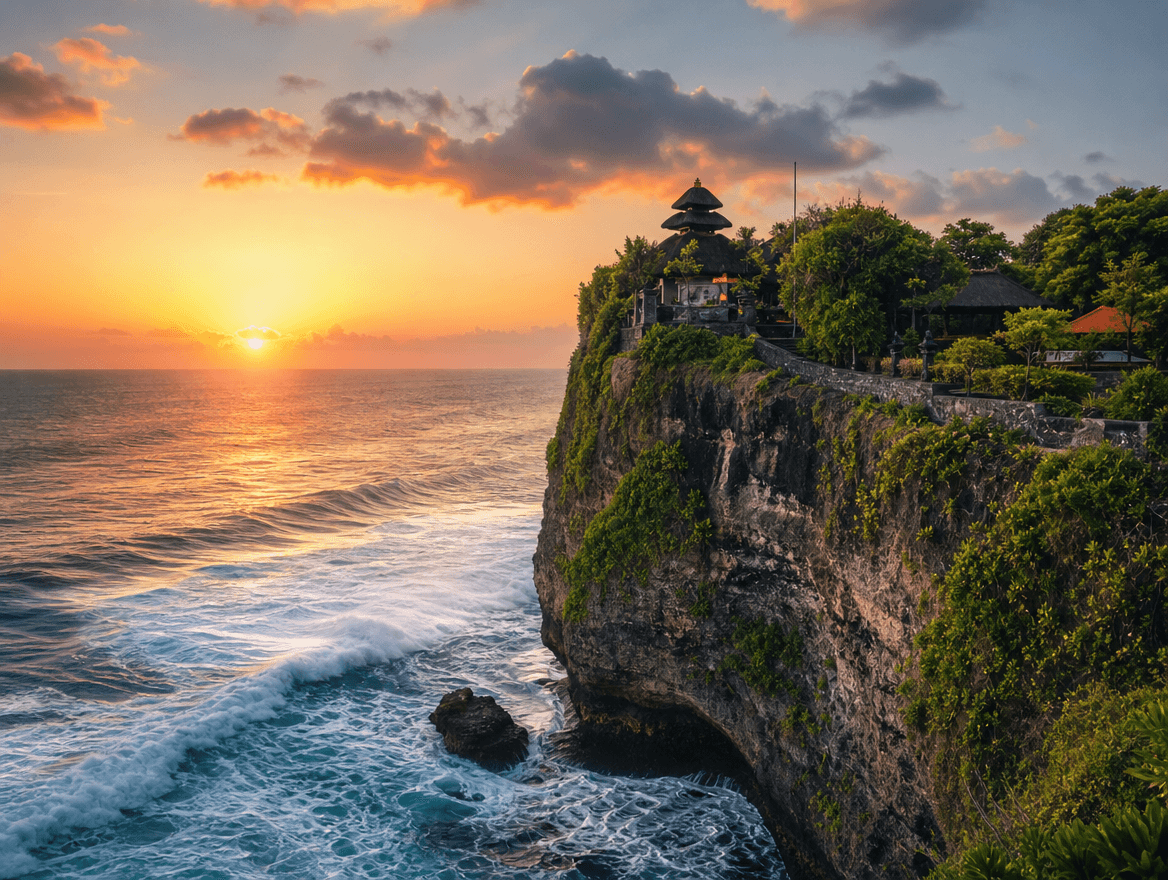
Pura Luhur Uluwatu is one of Bali's six key sea temples, set on the very lip of the cliff where land meets sky. Its weathered stone gates and tiered shrines have stood against the wind and salt for centuries, and the silhouette of the temple against a setting sun is one of Bali's signature images.
Dress respectfully — a sarong and sash are required, usually provided at the entrance — and keep an eye on your belongings, as the resident long-tailed macaques are famously opportunistic. For photographers, the late-afternoon Kecak fire dance performed in the clifftop amphitheatre, with the ocean as backdrop, is a frame worth waiting all day for.
Hidden Beaches Below the Rock
What makes the Bukit so rewarding is what lies beneath the cliffs. Tucked into the coastline are some of Bali's most beautiful small beaches — Padang Padang squeezed between rock walls, the wide sweep of Bingin reached by steep stairways, the sheltered sand of Suluban hidden inside a sea cave. Each requires a descent, and each delivers a different mood.
- Padang Padang — compact, framed by boulders, reached through a narrow rock cleft.
- Bingin — a tumble of clifftop guesthouses and warungs above a reef-fringed cove.
- Suluban (Blue Point) — accessed through a cave passage that opens onto the surf.
- Nyang Nyang — a long, wild stretch that rewards the long walk down with near-empty sand.
The Long Golden Hour
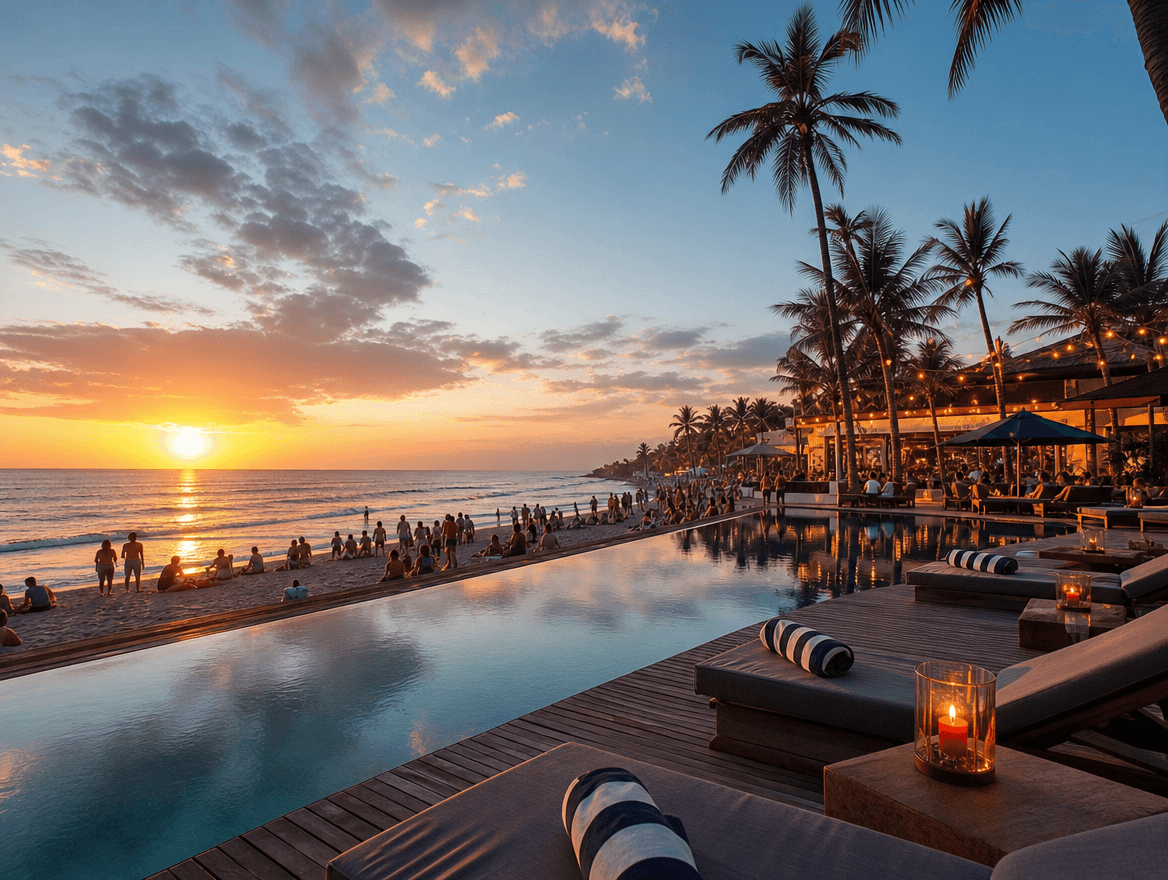
Sunset is Uluwatu's headline act. Because the peninsula faces west across open ocean, there is nothing between the cliffs and the horizon, and the light builds slowly into a wash of amber and rose. Clifftop bars fill in the final hour, but you can just as easily find a quiet ledge and let the sky do the work.
For the best images, arrive at least an hour before the sun touches the sea. Watch how the light rakes across the cliffs first, then warms the surf, then finally explodes on the horizon. The afterglow that follows is often the most beautiful frame of all.
Practical Notes for the Frame-Hunter
Uluwatu spreads across the Bukit Peninsula, so a scooter or driver is essential to move between viewpoints, temple and beaches. The roads are good but narrow in places, and parking near the temple fills up fast before sunset. Bring water, sun protection and a lens cloth — the sea spray and wind are constant companions up here.
Entry fees apply at the temple and some beach access points, and these change from time to time, so check current rates locally or with official sources before you go. Above all, give yourself a full day. Uluwatu is not a place to rush — its beauty unfolds in the slow shift of light from morning glare to evening gold.
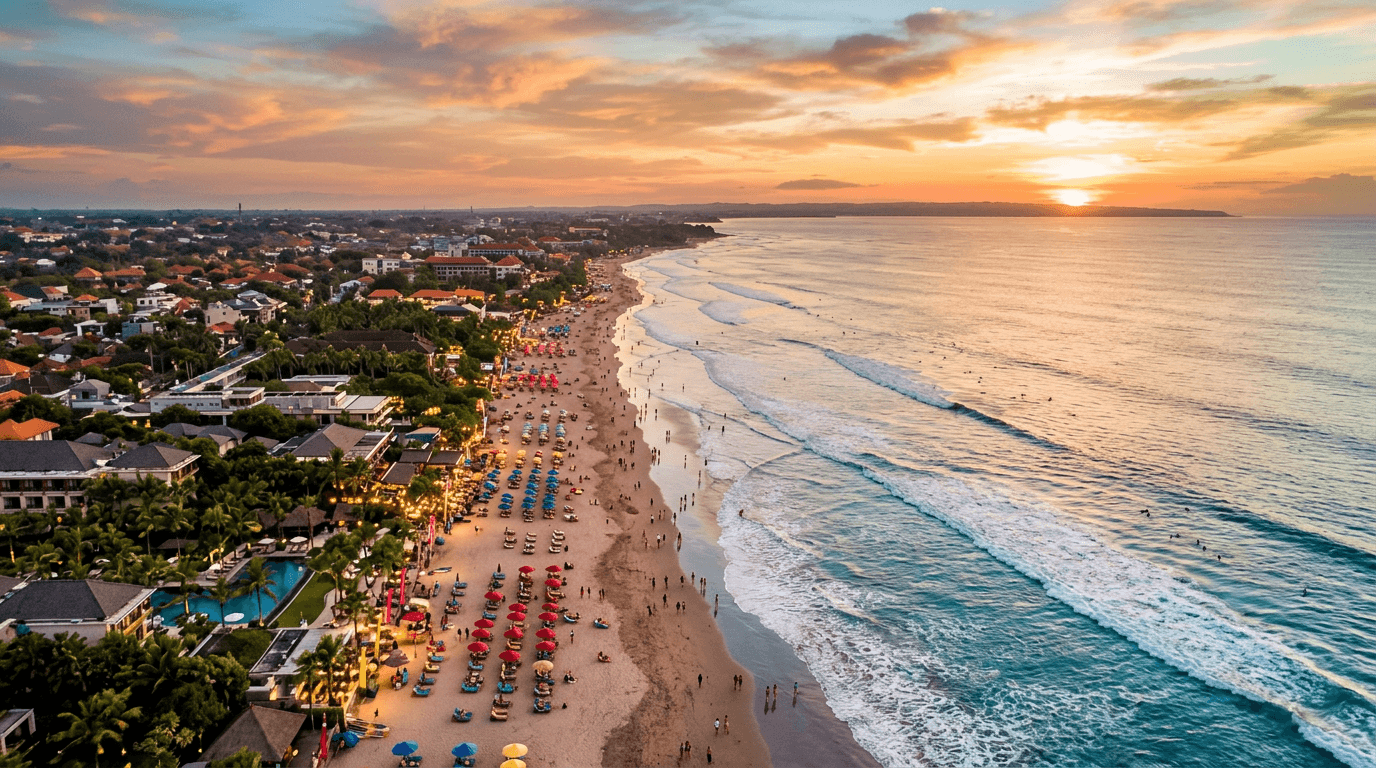
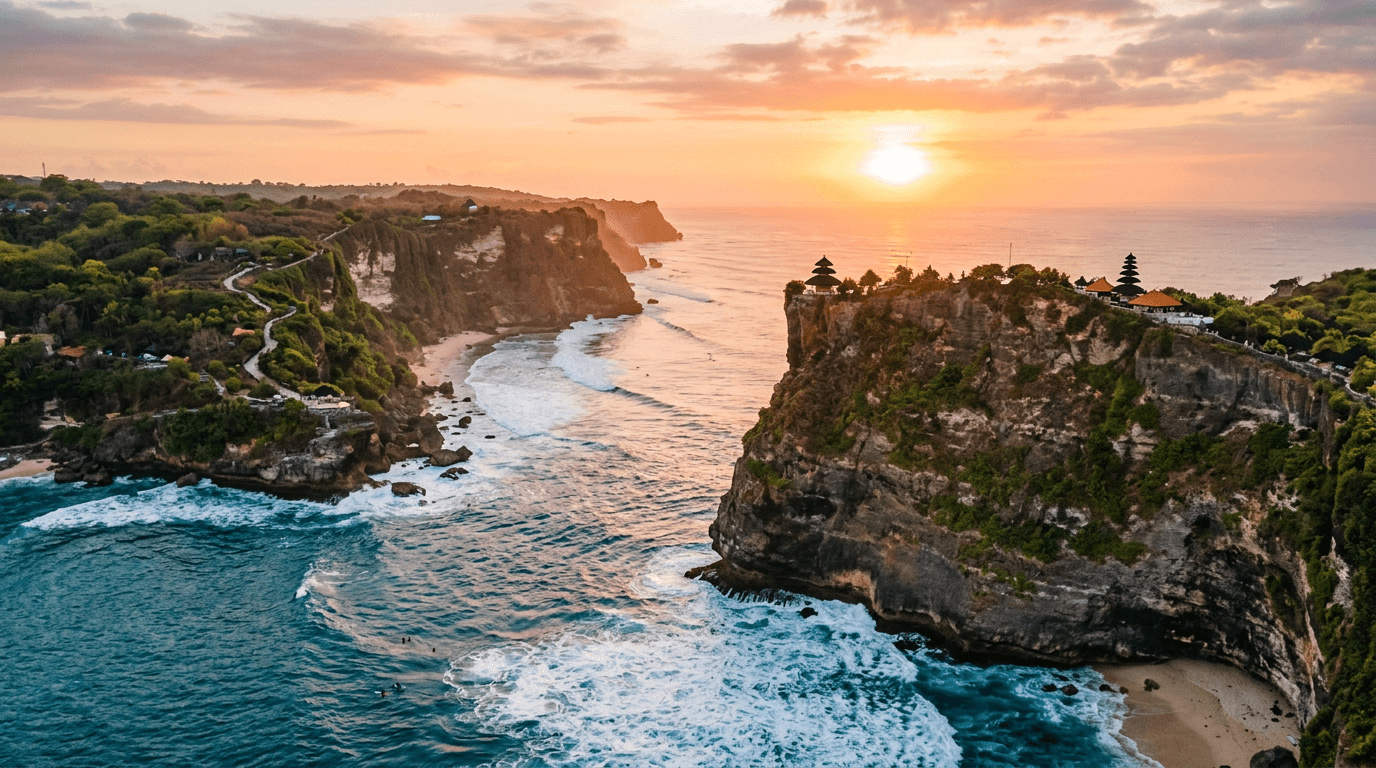
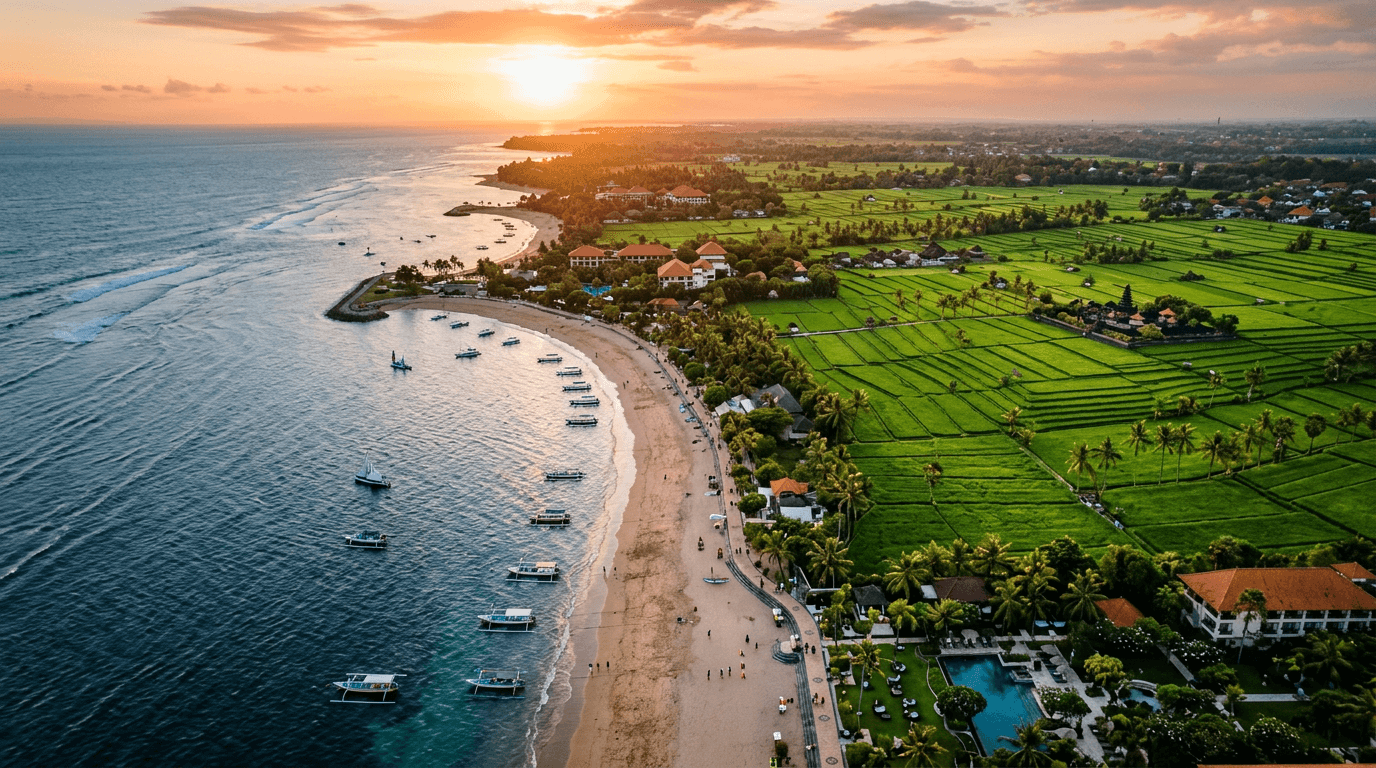
Uluwatu is a clifftop region on Bali's southern Bukit Peninsula known for powerful reef surf breaks, white-sand coves like Padang Padang and Bingin, and spectacular sunsets. Visit Uluwatu Temple at dusk for the Kecak fire dance, and base yourself here for surf trips, beach clubs and quieter luxury away from the crowds.
- Region
- Bukit Peninsula, South Bali
- Country
- Indonesia
- Known For
- Surf breaks, sunsets, clifftop temple
- Best Time
- April to October (dry season)
- Airport Distance
- About 1 hour from Denpasar Airport
- Time Zone
- WITA (UTC+8)
- Home to world-class reef surf breaks including Uluwatu, Padang Padang and Bingin
- Uluwatu Temple (Pura Luhur) is a clifftop sea temple famed for sunset Kecak dances
- Beaches sit at the base of dramatic limestone cliffs, often reached by steep stairs
- A hub for clifftop beach clubs, luxury villas and laid-back surf stays
- Best visited in the dry season (April to October) for cleaner surf and clear skies