 MyGlob Editorial
About Uluwatu
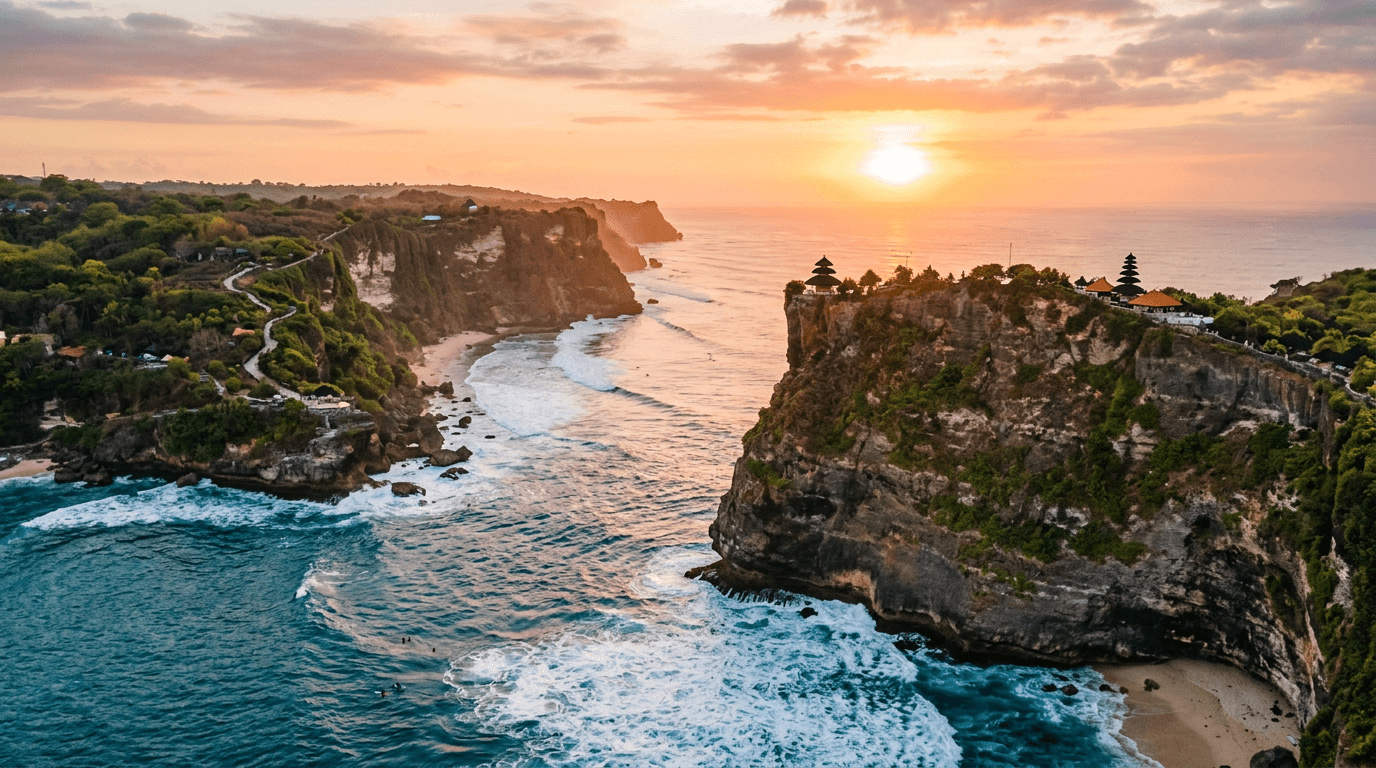
Uluwatu and the surrounding village of Pecatu occupy the rugged southern tip of Bali's Bukit Peninsula, a high limestone plateau ringed by dramatic cliffs and some of the island's finest beaches. This is a place that feels worlds away from the busy resort strips to the north — wilder, more scenic, and built around surf, sunsets and a famous clifftop temple. This guide covers where to stay, where to eat, what to do and how to get around so you can make the most of your time on the Bukit.
Getting Your Bearings
The Bukit is a dry, elevated peninsula joined to the rest of Bali by a narrow neck of land near the airport. Pecatu is the main village, while the name Uluwatu is used loosely for the whole southwestern corner, including the temple and the celebrated surf breaks. The area is spread out, with attractions scattered along a network of roads, so it pays to base yourself near the beaches or activities you most want to enjoy.
Distances feel longer than they look on a map because the roads wind and traffic can be slow near popular spots. The airport is relatively close, roughly thirty to sixty minutes depending on traffic, making the Bukit an easy first or last stop on a Bali itinerary.
Where to Stay
Accommodation on the Bukit ranges from world-class clifftop resorts to laid-back surf guesthouses, and your choice should follow your travel style. The clifftops around Uluwatu and Pecatu are home to some of Bali's most luxurious villas and resorts, prized for their ocean views and seclusion. If you want quiet, privacy and a sense of drama, this is where to splurge.
- Bingin and Padang Padang — relaxed guesthouses and mid-range stays close to the surf, popular with younger and active travellers.
- The Uluwatu and Pecatu clifftops — upscale resorts and private villas with sweeping ocean views, ideal for honeymoons and special occasions.
- Jimbaran and the eastern Bukit — calmer beaches and a wider price range, with easy airport access.
Wherever you stay, remember that the Bukit is decentralised. Pick an area that matches your priorities, whether that is being steps from a surf break or having a pool perched over the sea.
Where to Eat
Dining on the Bukit spans humble warungs serving Indonesian classics to polished clifftop restaurants with prices to match the views. The casual surf warungs above the breaks at Uluwatu and Bingin are an experience in themselves — simple food, cold drinks and front-row seats to the waves.
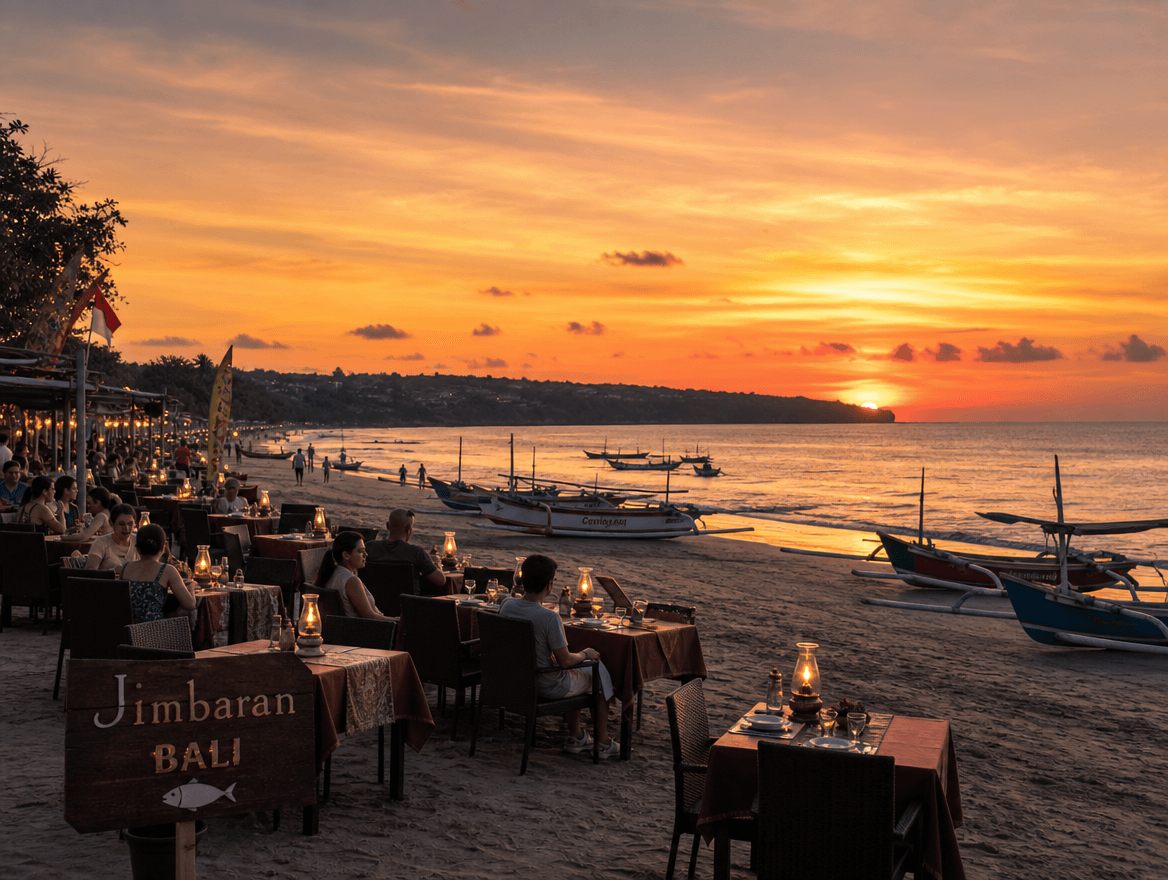
For something more refined, the clifftop bars and restaurants near the temple and along the southwestern coast turn sunset into an event, and Jimbaran is famous for its beachfront seafood grills, where you choose your catch and eat it on the sand as the sun goes down. Across the peninsula you will also find a growing number of healthy cafes and international kitchens catering to the surf and wellness crowd.
Best Things to Do
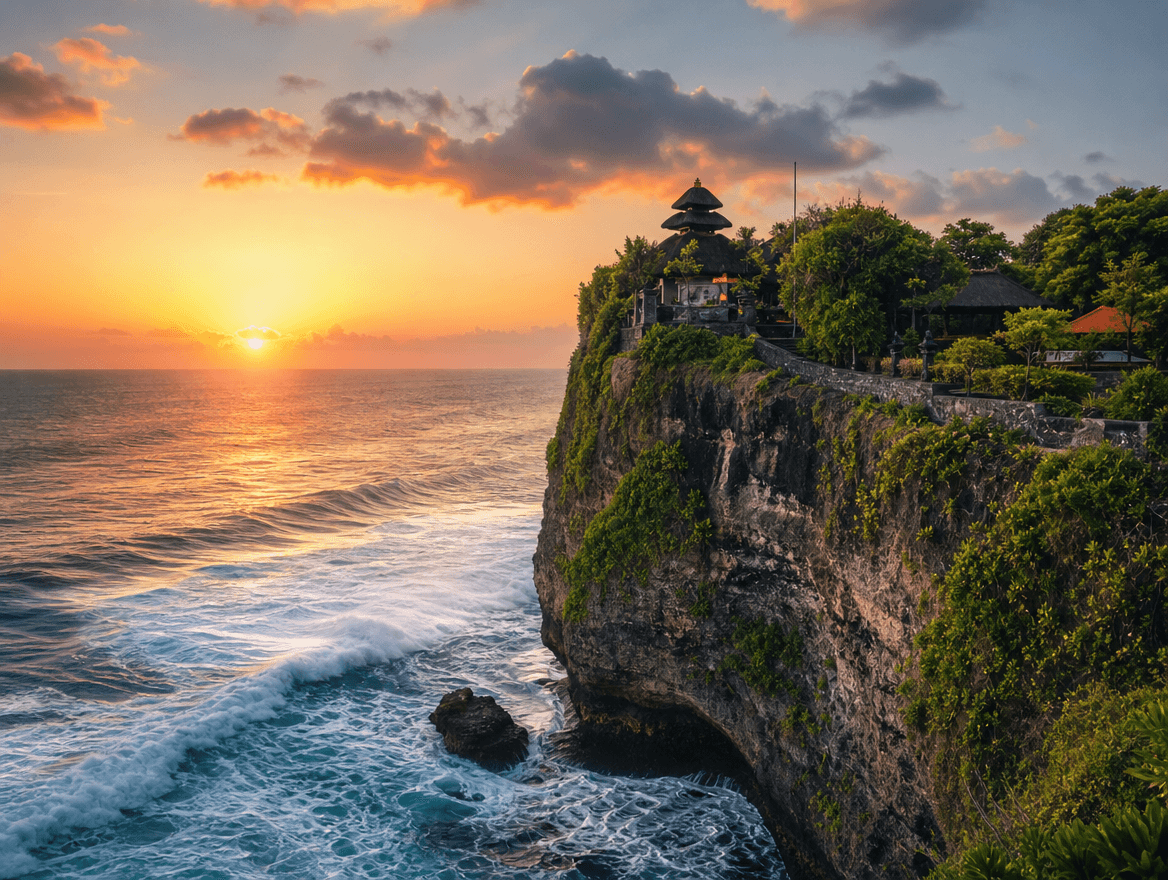
Uluwatu's main draws are its beaches, its surf and its temple. Pura Luhur Uluwatu, perched on the cliff edge, is one of Bali's most important sea temples and a must-visit, especially in the late afternoon when the Kecak fire dance is performed against the backdrop of the ocean.
- Watch or learn to surf at the world-famous breaks of Uluwatu, Padang Padang and Bingin.
- Explore the hidden beaches — Padang Padang, Bingin, Suluban and the wild expanse of Nyang Nyang.
- Visit Pura Luhur Uluwatu and stay for the sunset Kecak dance.
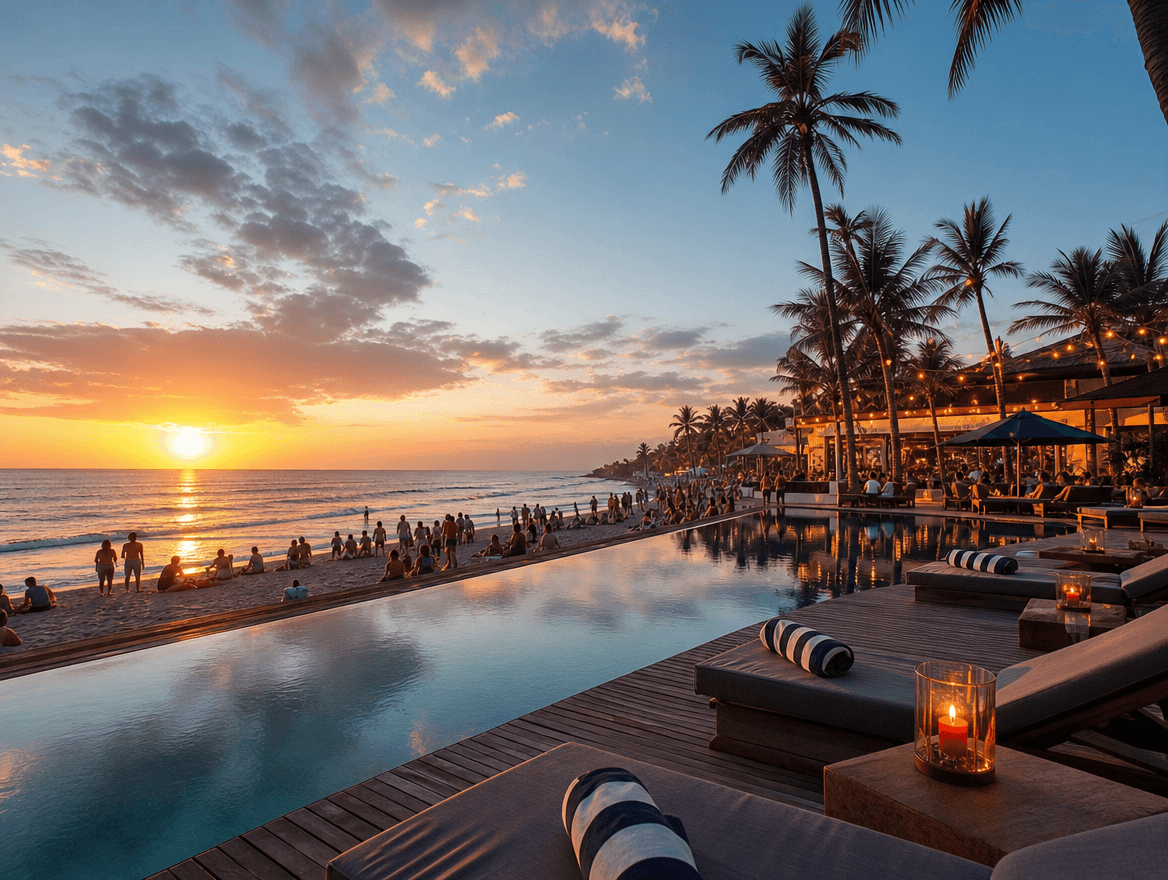
- Spend an afternoon at a clifftop beach club soaking up the ocean panorama.
- Snorkel, swim and relax on the calmer beaches at high tide.
Beaches Worth the Climb
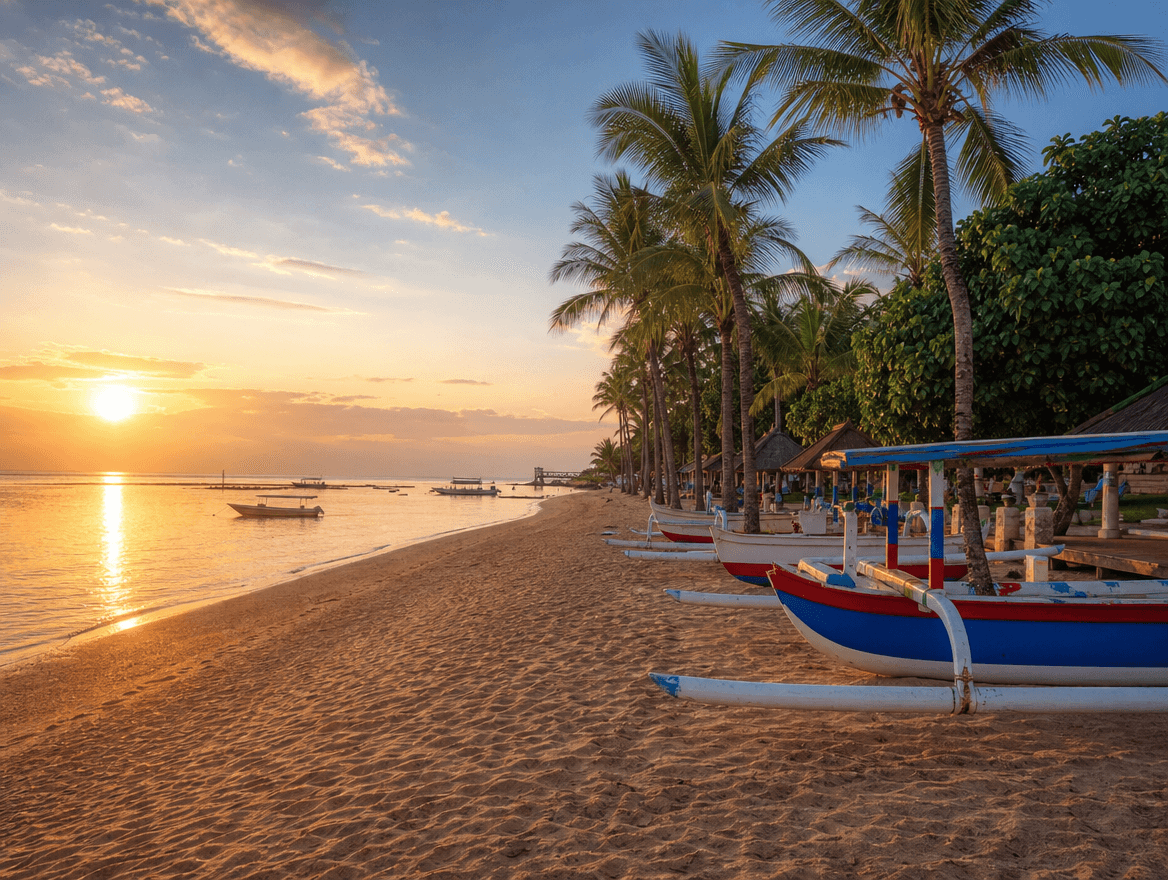
The Bukit's beaches are its treasure, but many require a descent down cliffside stairways. Padang Padang is small and famous, tucked through a rock cleft; Bingin sits below a tumble of guesthouses and is best at low tide; Suluban, also called Blue Point, is reached through a cave passage. Each has its own personality, and exploring several over a few days is one of the great pleasures of staying here.
Be aware that conditions vary with the tide. Some beaches all but disappear at high water, while others reveal their best sand and swimming at low tide, so check the tide times to plan your beach days.
Getting Around
There is no real public transport on the Bukit, so you will need your own wheels or a driver. Renting a scooter gives you the most freedom and is popular with surfers, but the roads are hilly and sometimes busy, so only ride if you are confident and always wear a helmet. For families or those who prefer not to drive, hiring a car with a driver for the day is convenient and lets you cover several spots without stress.
Ride-hailing apps work in parts of the peninsula but coverage and availability can be patchy in the more remote corners, so plan return trips in advance, especially after sunset.
Practical Tips
The Bukit is drier and sunnier than much of Bali, so bring strong sun protection and plenty of water. At the temple and on some beaches, the macaques are bold and will snatch sunglasses, phones and food, so keep your belongings secure. Dress respectfully and wear the provided sarong when entering temple grounds.
Entry fees apply at the temple, the Kecak dance and certain beach access points, and these change from time to time, so check current rates locally or with official sources before you go. Allow more travel time than you expect between spots, and try to build your days around the tides and the sunset — the two rhythms that define life on Bali's most beautiful peninsula.