Ubud in Frames: Rice Terraces, River Mist and the Green Heart of Bali
A photographic wander through Ubud — emerald rice terraces, jungle valleys, temple courtyards and the quiet rituals that give Bali's cultural capital its soul.
 MyGlob Editorial May 17, 2026 1 min read
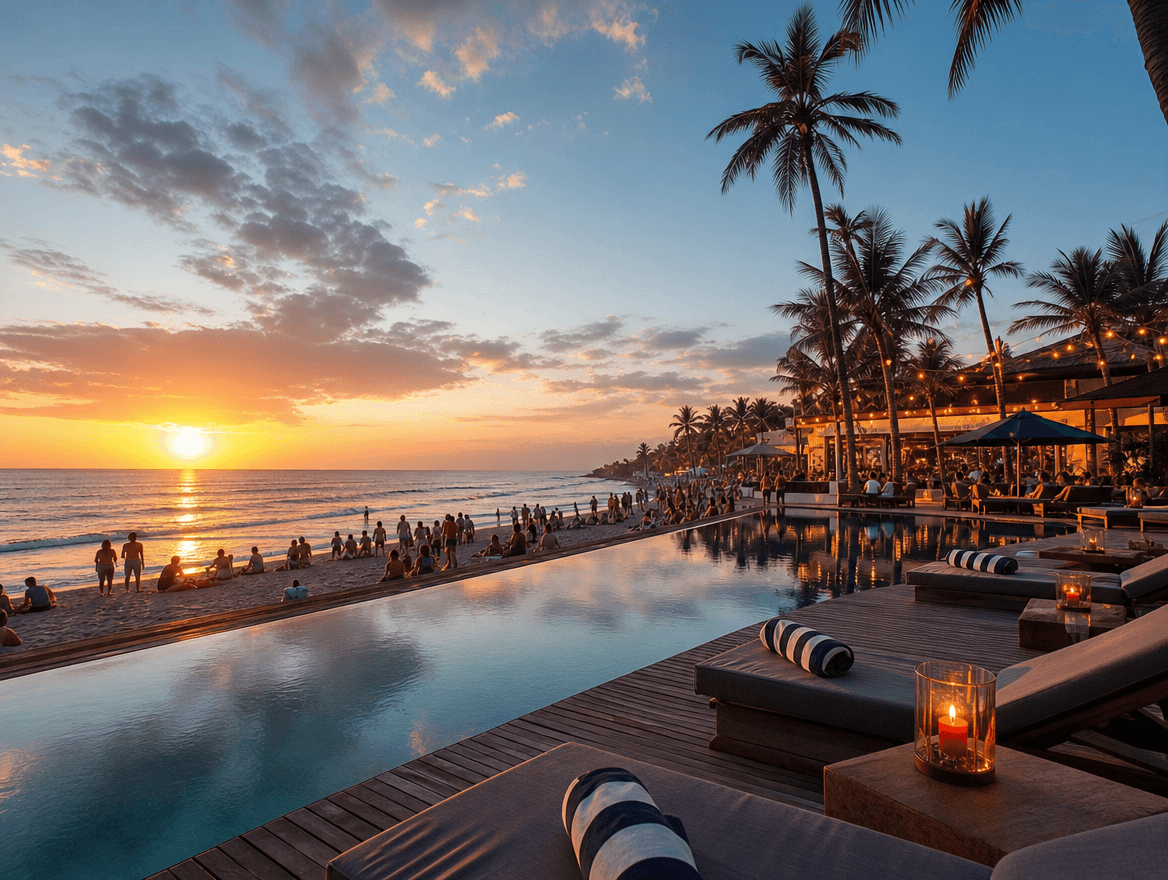
If Bali's south is about the sea, Ubud is about the land. Set among the foothills of the island's central highlands, this is a place of layered green — terraced rice fields stacked up the hillsides, river gorges choked with jungle, and morning mist that pools in the valleys before the sun burns it away. Ubud has long been Bali's cultural heart, a town of painters, carvers, dancers and temples, and it photographs like nowhere else. This is Ubud told in light and texture.
The Terraces at First Light
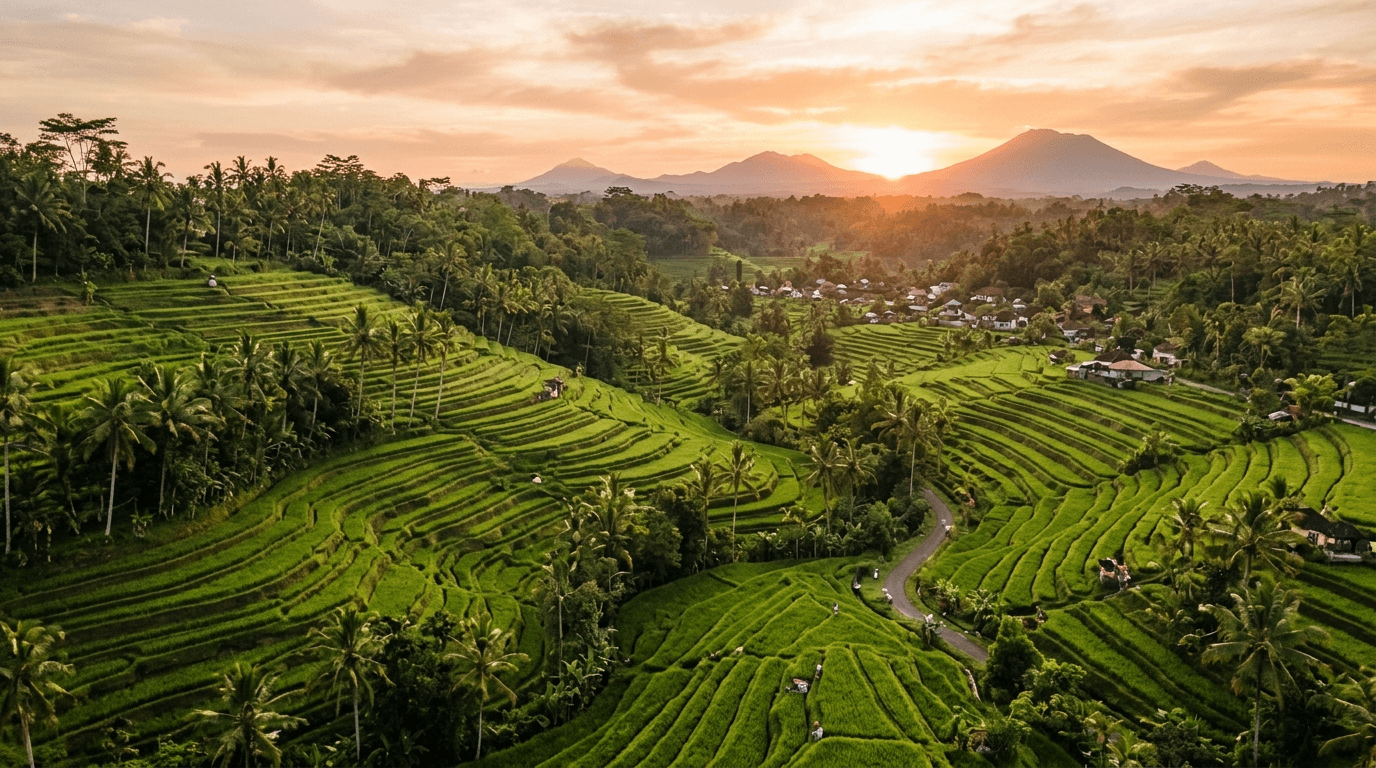
The rice terraces are Ubud's defining image, and there is no better time to see them than just after dawn. The famous slopes at Tegallalang fold down a steep valley in a series of sculpted ledges, the water in the paddies catching the early sky like scattered mirrors. Arrive early and you will have the soft light, the cool air and the place largely to yourself.
For the photographer, the terraces reward both wide and tight framing. Step back to show the full architecture of the slope, then move in on a single curving bund line, a farmer at work, or the swing seats that now dot the upper edges. The green here is not one colour but dozens, shifting with the age of each crop.
River Gorges and Hidden Jungle
Ubud sits where two sacred rivers, the Wos and the Petanu, carve deep valleys through the land. Walk the Campuhan Ridge at sunrise and you trace a grassy spine between two gorges, the jungle dropping away on either side into mist. It is one of the easiest and most rewarding walks on the island, and entirely free.
Down in the valleys, waterfalls thread through the rainforest and footbridges cross fast water the colour of jade. The light filters through the canopy in shafts, and the air is thick with the sound of insects and running water — a different Bali entirely from the beaches an hour south.
Temple Courtyards and Carved Stone
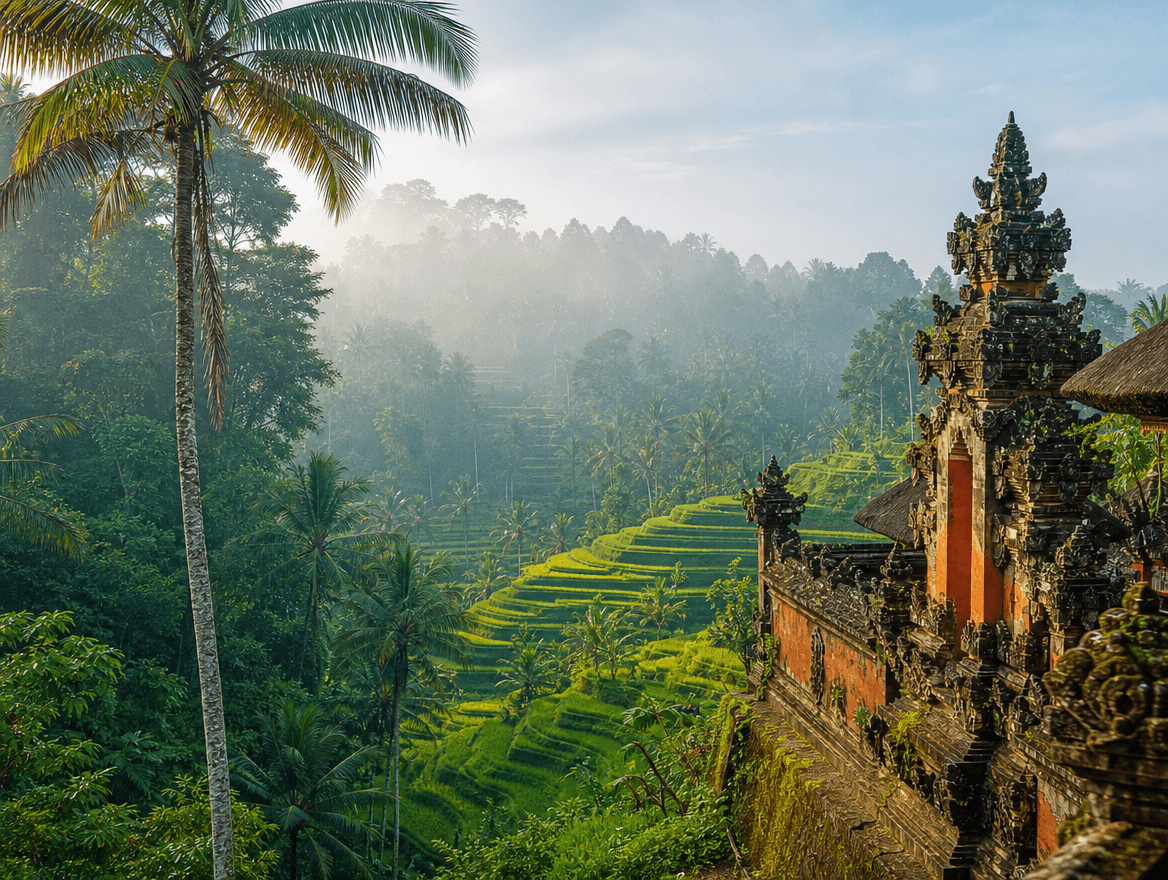
Ubud is dense with temples, and each offers its own frames. The water temple of Pura Tirta Empul, with its sacred bathing pools, draws worshippers in white sarongs who step into the spring water in quiet ritual. Closer to town, moss-softened gates and split stone portals frame courtyards where offerings of flowers and incense are renewed every morning.
Photograph the detail: the grimacing guardian statues, the layered thatched shrines, the canang sari offerings that appear on every threshold at dawn. These small, daily acts of devotion are as much a part of the picture as the grand architecture.
Markets, Art and the Town Itself
The centre of Ubud is a working town wrapped around an art tradition that goes back generations. The morning market spills colour into the streets — pyramids of fruit, bundles of incense, woven baskets and bright textiles — and the surrounding lanes are lined with galleries and workshops where carvers and painters still work by hand.
- The traditional market — busiest and most photogenic in the early morning before the souvenir stalls take over.
- Painting galleries — generations of Ubud style, from classical Balinese to modern works.
- Woodcarving villages on the outskirts, where the rasp of chisels never stops.
- The palace courtyard, host to evening dance performances under lantern light.
The Monkeys of the Sacred Forest
On the southern edge of town, the Sacred Monkey Forest Sanctuary is a pocket of old-growth jungle and moss-covered temple ruins, home to a large troop of long-tailed macaques. Vines drape over weathered stone, and the monkeys move through it all with complete confidence. It is a wonderful place to photograph, though you should keep food, sunglasses and loose items well secured.
The light inside the forest is dappled and dramatic, ideal for atmospheric frames of the temple stonework and the animals that have made it their home. Move slowly and let the troop carry on around you.
Practical Notes for the Frame-Hunter
Ubud spreads across a wide area, so a scooter, bicycle or hired driver helps you reach the terraces, temples and waterfalls scattered through the surrounding villages. Mornings are the magic hours — cooler, quieter and softer in light — while afternoons often bring cloud and the chance of rain, especially in the wet season.
Many sites charge a small entry or parking fee, and these change over time, so check current rates locally or with official sources. Wear sturdy shoes for the ridge walks and waterfalls, carry water, and leave plenty of time. Ubud rewards the slow traveller — the kind who lingers in a courtyard, watches the mist lift off a paddy, and waits for the light to do its quiet work.
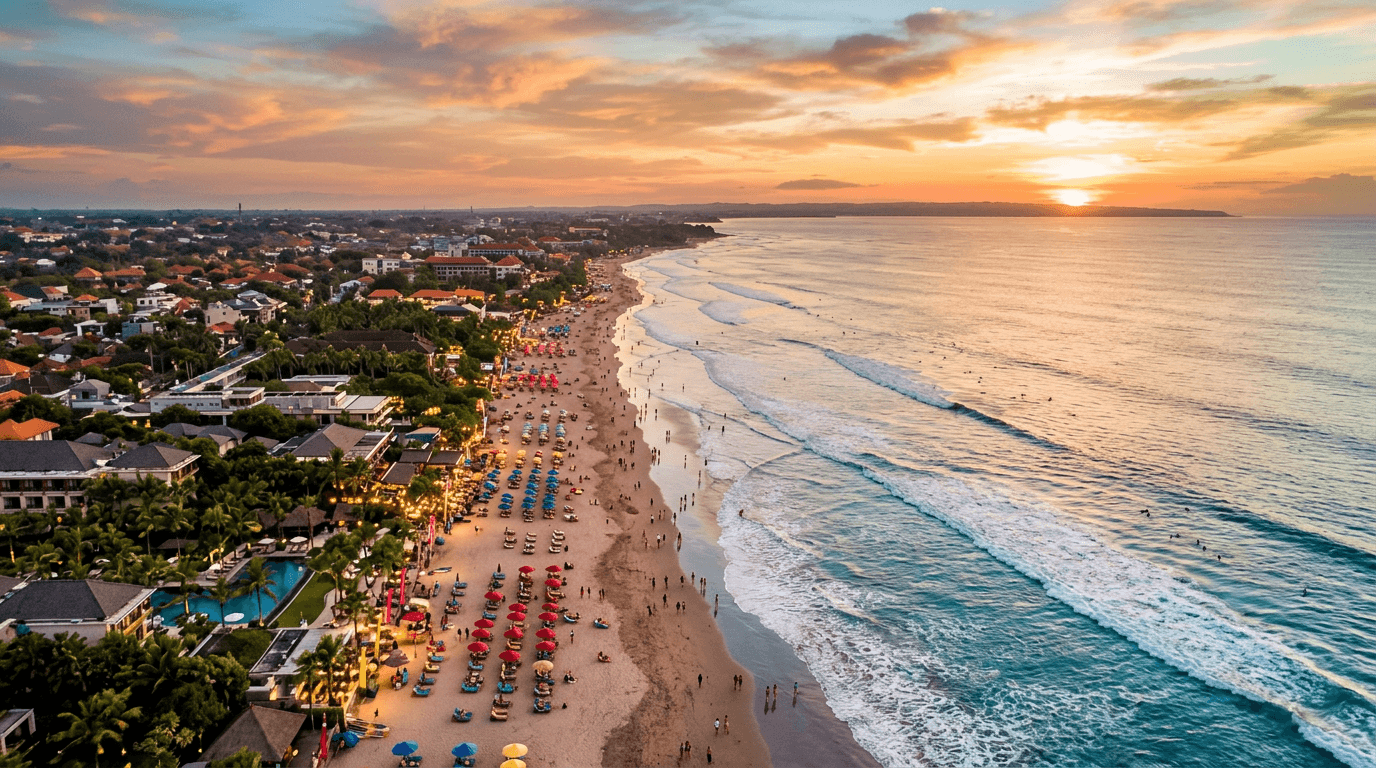
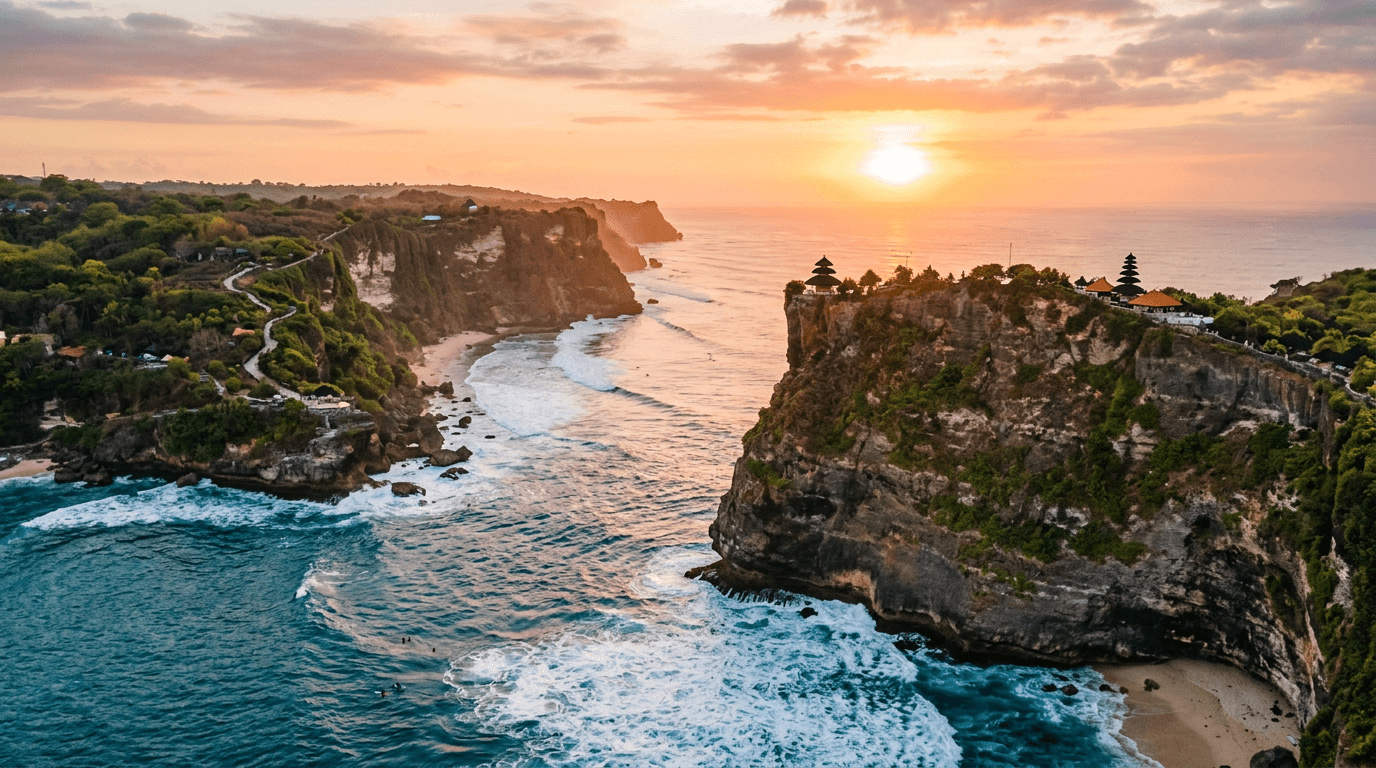
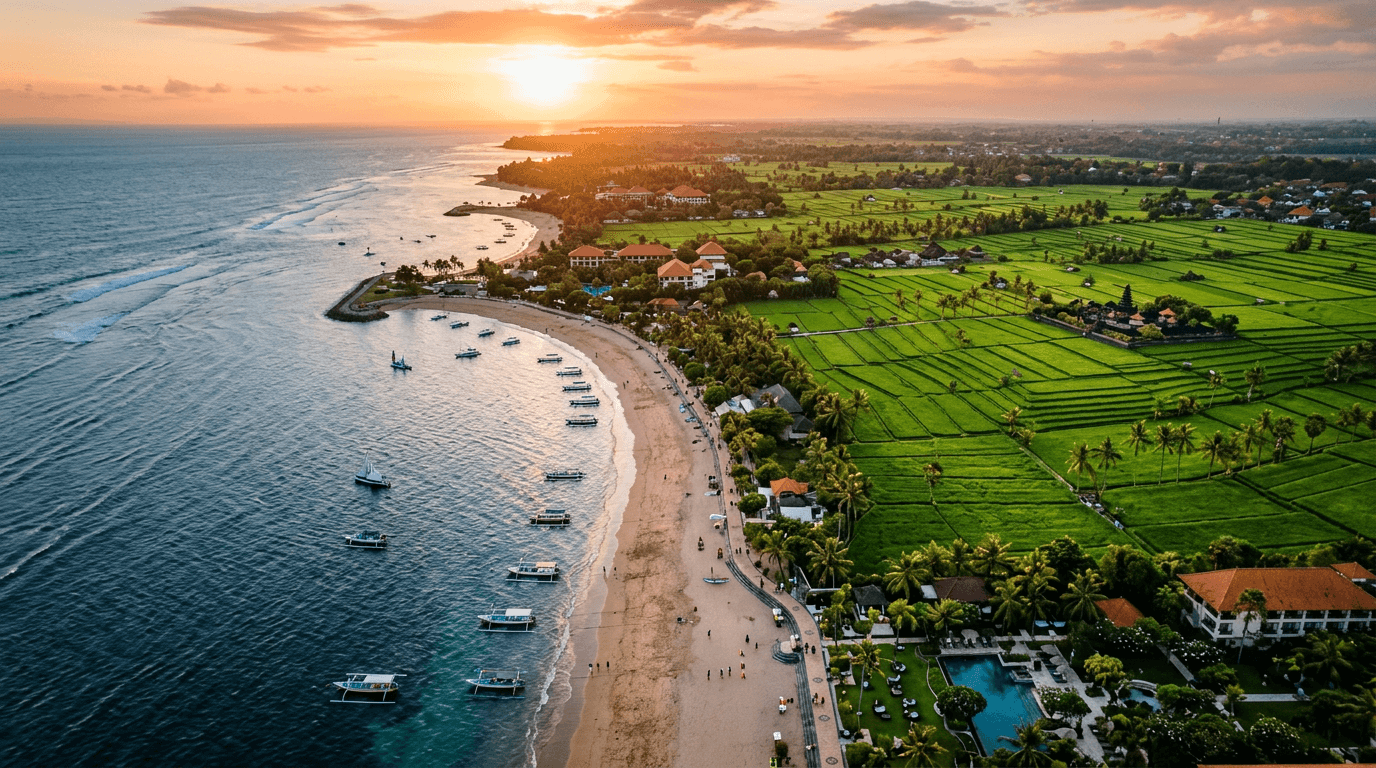
Ubud sits in Bali's central highlands and is famous for its rice terraces, river gorges, temples and arts scene. The best light for photos is early morning when mist hangs over the valleys. Allow at least two to three days to slow down and explore beyond the town centre.
- Region
- Central Bali highlands
- Known for
- Rice terraces, river valleys, temples, arts
- Best light
- Early morning mist
- Suggested stay
- 2 to 3 days
- Ubud is Bali's inland cultural hub, distinct from the island's beach areas.
- Tegallalang and other rice terraces are the area's signature landscape.
- Early mornings bring river mist and the softest light for photography.
- The town blends temples, art markets, yoga and craft villages.
- Two to three days lets you explore beyond the busy centre.