North Bali Guide 2026: Waterfalls, Dolphins & the Quiet Coast
Black-sand beaches, jungle waterfalls, dolphin dawns and crater lakes — North Bali is the island's slow, untouristed side. Here's how to explore it in 2026.
 MyGlob Editorial March 25, 2026 1 min read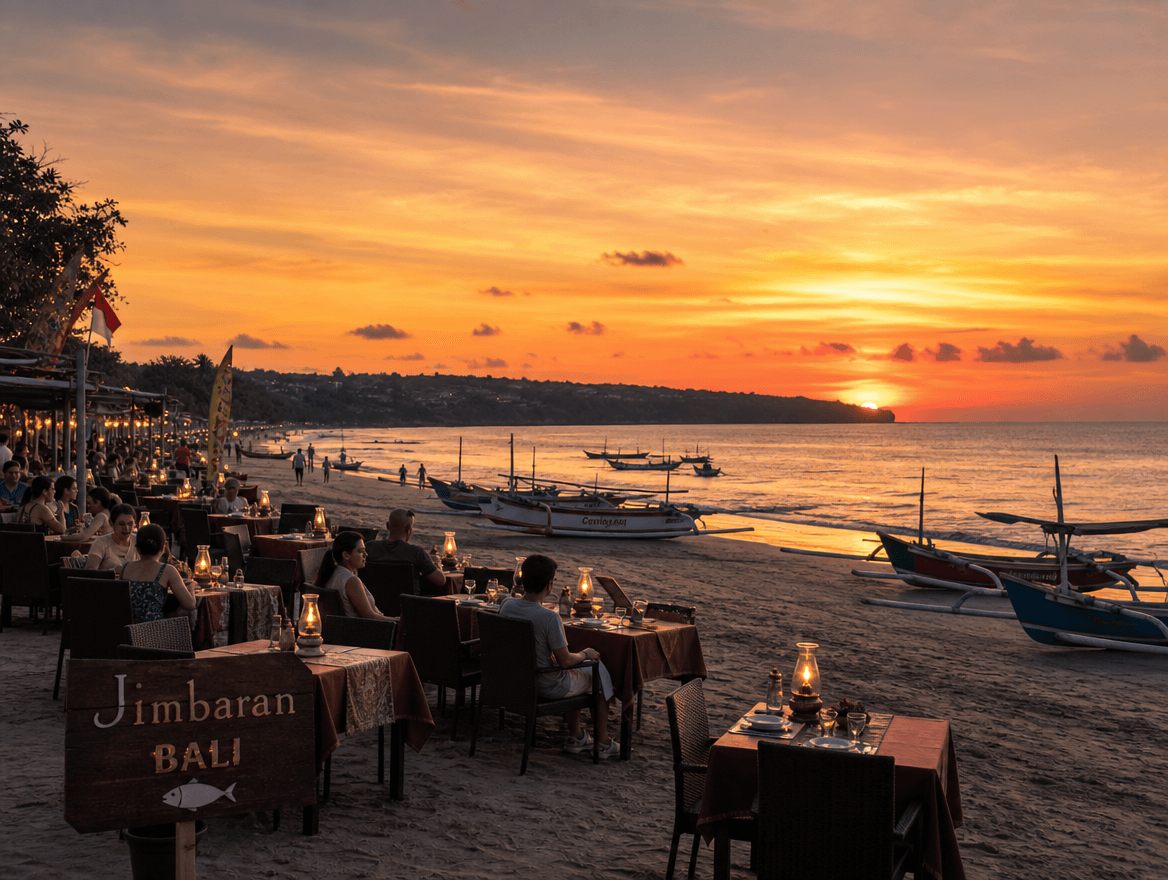
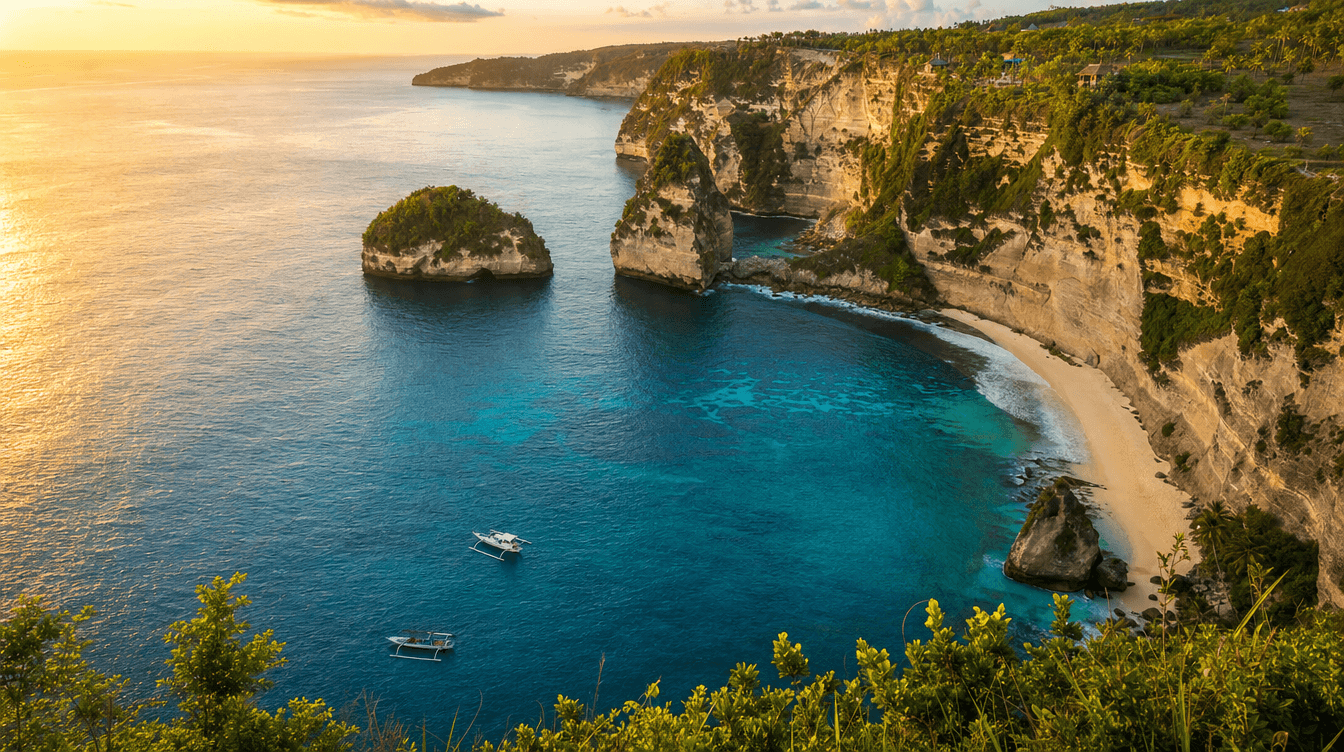
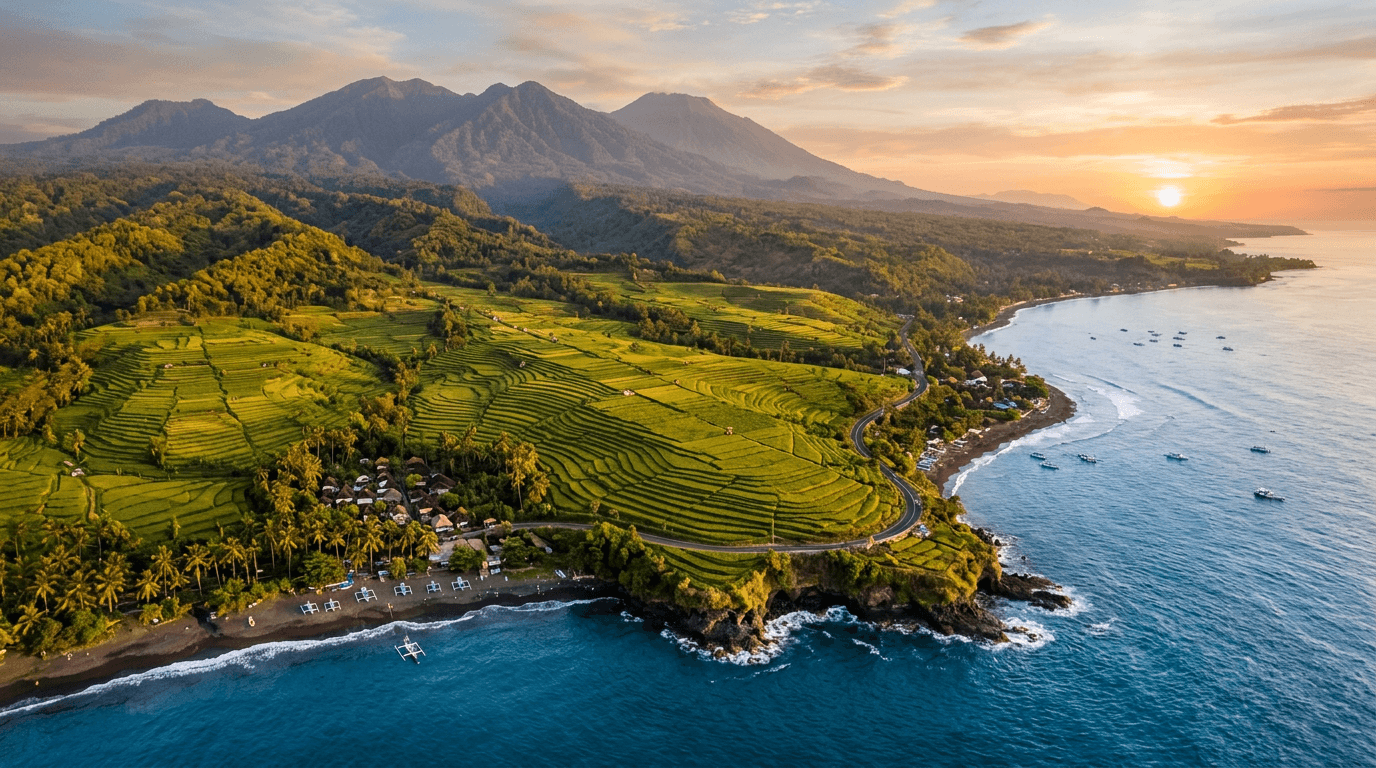
Cross the mountains to North Bali and the island changes character entirely. The crowds thin, the pace slows, and the landscape turns wild — volcanic peaks, crater lakes, terraced jungle and a long coastline of dark volcanic sand. This is the Bali that existed before the south boomed, and for travellers who want nature, space and authenticity over beach clubs and traffic, it is the most rewarding region on the island.
Centred on the old port town of Singaraja and the laid-back beach village of Lovina, the north is less about a single hotspot and more about a string of natural wonders spread across mountains and coast. It takes longer to reach and to get around, but that effort is exactly what keeps it quiet.
Lovina and the dolphin coast
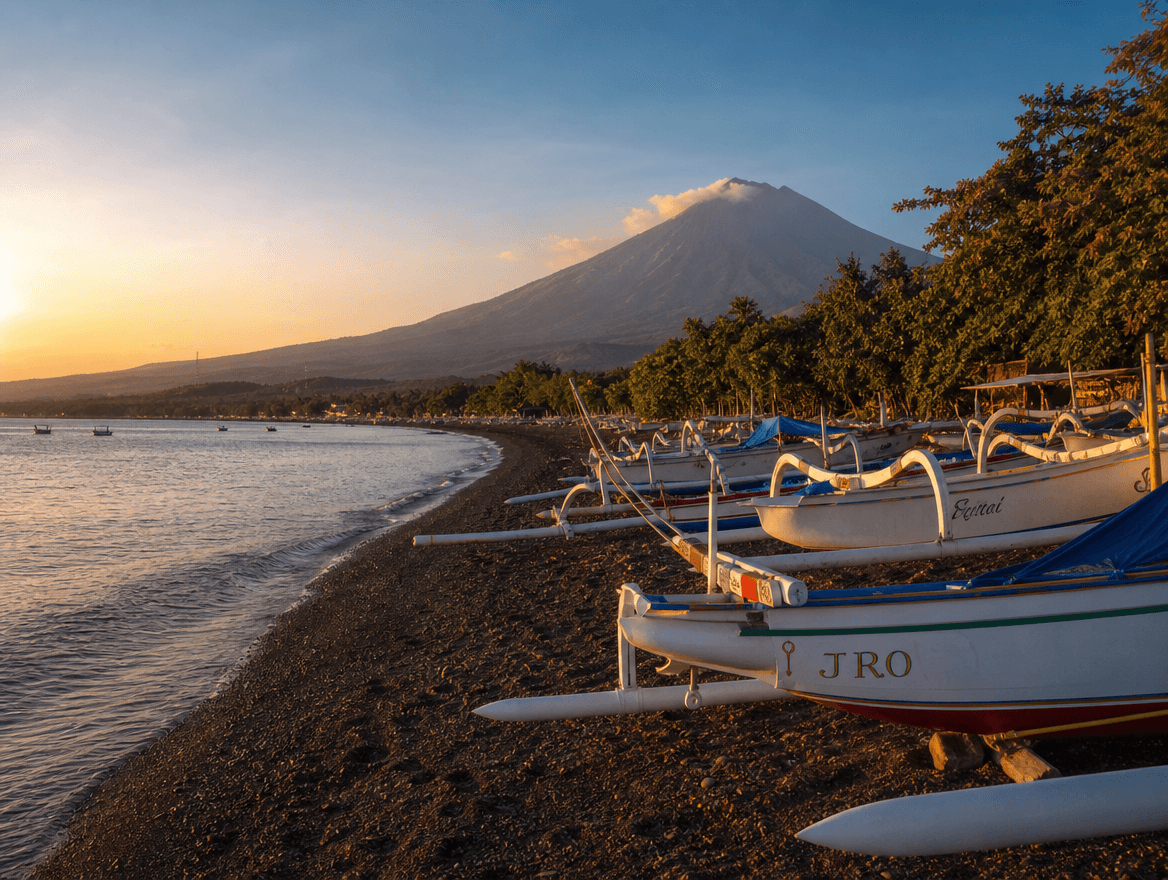
Lovina is North Bali's main beach base — a mellow, low-rise stretch of black volcanic sand with calm seas and a relaxed, old-Bali feel. Its signature experience is the early-morning dolphin trip: small boats head out at dawn to spot pods of wild dolphins in the calm northern waters. Choose an operator that keeps a respectful distance, as the popularity of these tours means the animals deserve careful, low-impact viewing.
Waterfalls of the north
The hills behind the coast hide some of Bali's most spectacular waterfalls. Sekumpul, often called the island's finest, is a cluster of towering cascades reached via a steep but stunning trek through the jungle. Banyumala twin falls and Gitgit are easier to access and equally photogenic. Wear good shoes, expect some stairs and slippery paths, and go early to have them to yourself.
Lakes and the mountain interior
Inland, the highland region around Munduk and the crater lakes — Tamblingan, Buyan and Beratan — offers cool air, misty mornings and emerald scenery that feels a world away from the coast. The iconic lakeside temple of Ulun Danu Beratan, seeming to float on the water, is one of Bali's most photographed sights. Munduk itself is a charming highland village with coffee plantations, viewpoints and gentle trekking.
Diving and snorkelling
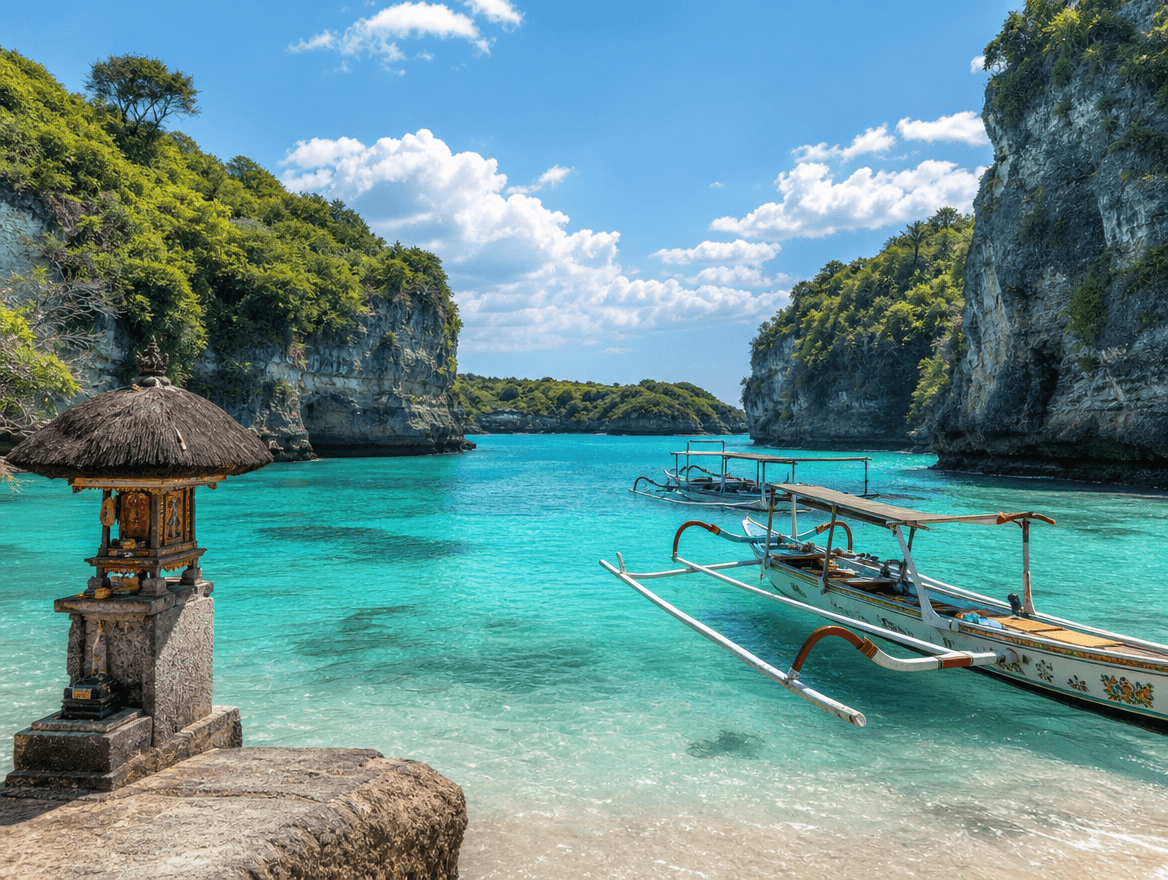
The north and northeast coasts hold some of Bali's best underwater experiences. The calm, clear waters off this side of the island are ideal for snorkelling and diving, with reefs and marine life that draw enthusiasts away from the busier south. Many visitors combine a north Bali trip with a side journey toward the famous wreck dive on the east coast at Tulamben.
Temples and culture
North Bali has a distinct cultural flavour, with unusual carved temples that differ in style from those in the south. Singaraja, once the island's colonial-era capital, retains old architecture and a working-town authenticity. Exploring the north's temples and villages, you'll meet a slower, more local Bali where tourism is a guest rather than the main event.
Getting there and getting around
North Bali is a few hours' drive from the southern airport, with routes winding up and over the central mountains — a scenic journey in itself, often passing the lakes and the famous Handara gate. The region is spread out, so the best way to explore is with a private driver for the day or a scooter if you're a confident rider comfortable with mountain roads. Distances are deceptive; plan fewer stops and savour them.
Who North Bali is for
Come north if you want nature, tranquillity and a glimpse of the island's older soul — waterfalls, lakes, dolphins, diving and dark-sand beaches without the southern crowds. It suits unhurried travellers, nature lovers and anyone looking to balance a busy southern itinerary with a few genuinely peaceful days. Skip it if you're chasing nightlife, big surf or polished resort beaches. For everyone else, North Bali is the island's quiet reward.
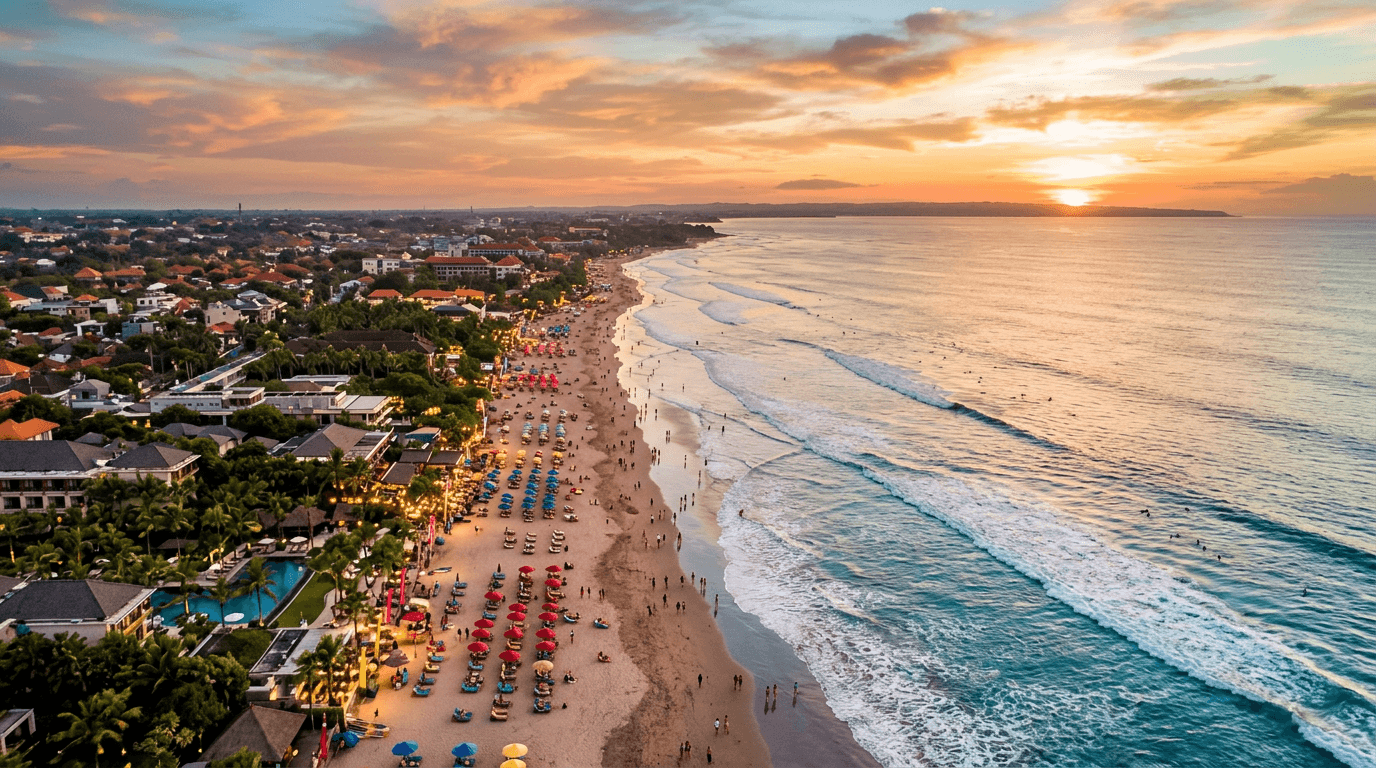
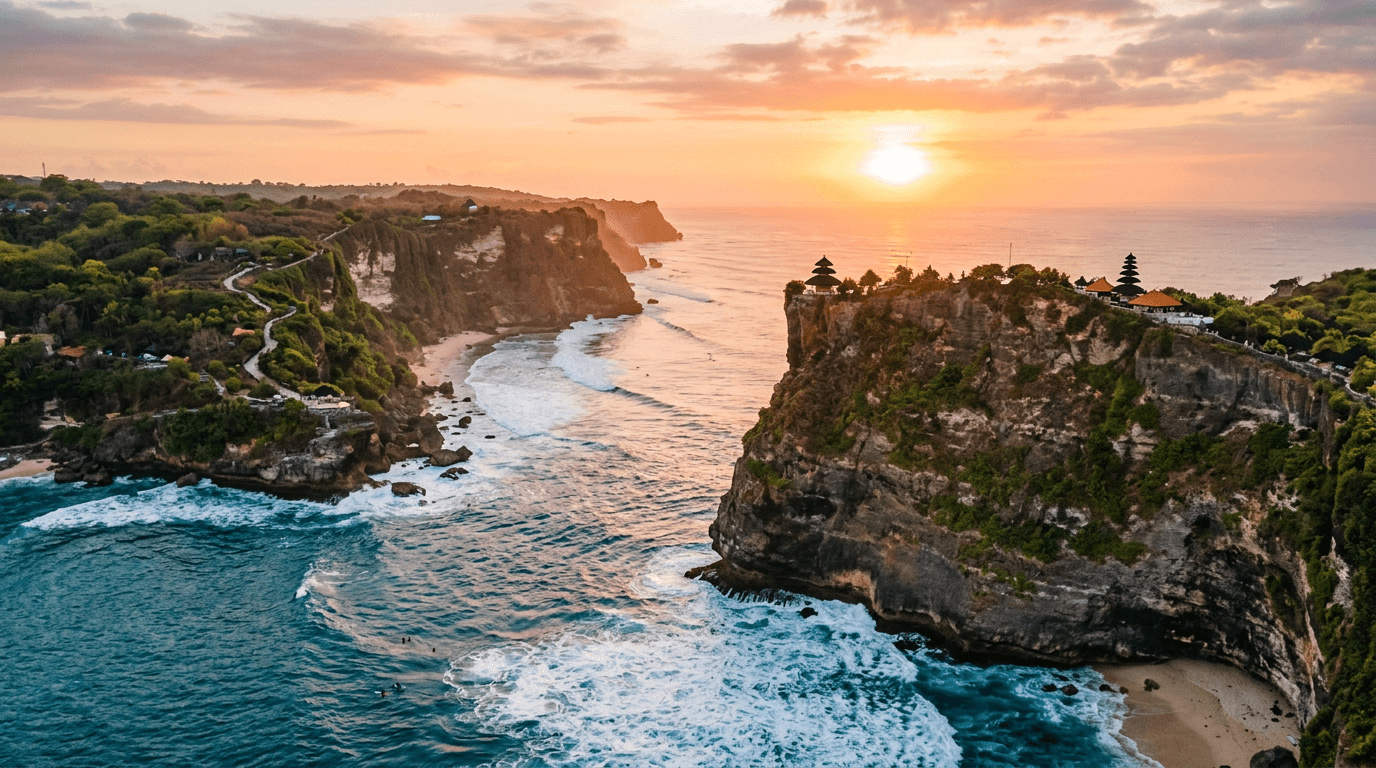
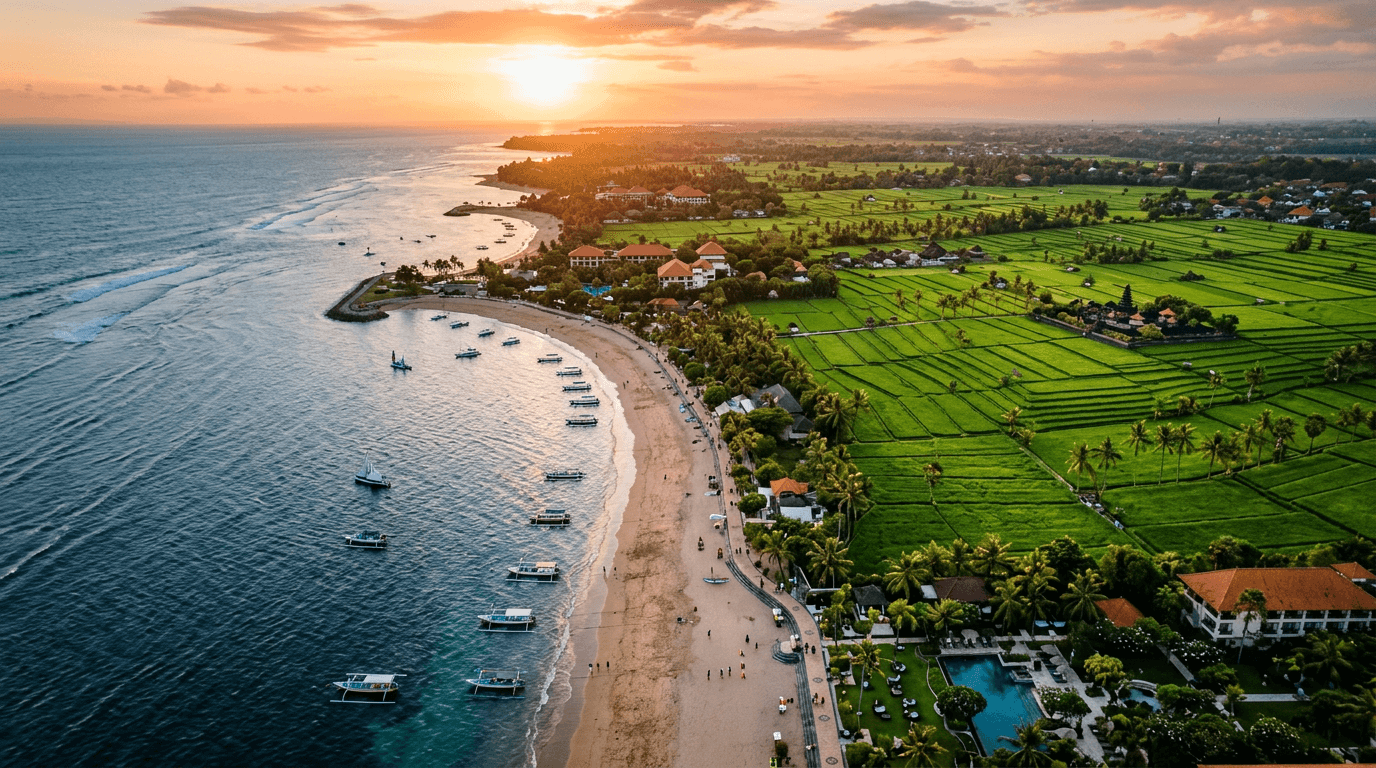
North Bali, centered on Lovina and Singaraja, is known for sunrise dolphin trips, the waterfalls and lakes around Munduk, and natural hot springs. It is far quieter than the south and has dark-sand beaches and a relaxed pace. Reaching it takes a few hours by car from the south, so many visitors stay overnight.
- Main areas
- Lovina, Singaraja, Munduk
- Signature activity
- Lovina dolphin-watching
- Nature
- Munduk waterfalls, lakes, hot springs
- Beaches
- Dark volcanic sand, calm
- Access
- Several hours from the south; overnight ideal
- Lovina is known for early-morning dolphin-watching trips
- Munduk offers waterfalls, lakes and cooler highland scenery
- Natural hot springs are a regional highlight
- Beaches here have dark volcanic sand and a calm vibe
- It is several hours from the south, so consider an overnight stay