Batukaru & Jatiluwih: A Photo Story of Bali's Green Heart
Sacred slopes, an ancient mountain temple and the island's most celebrated rice terraces — Batukaru and Jatiluwih reveal a quieter, greener Bali far from the crowds.
 MyGlob Editorial March 26, 2026 7 min read
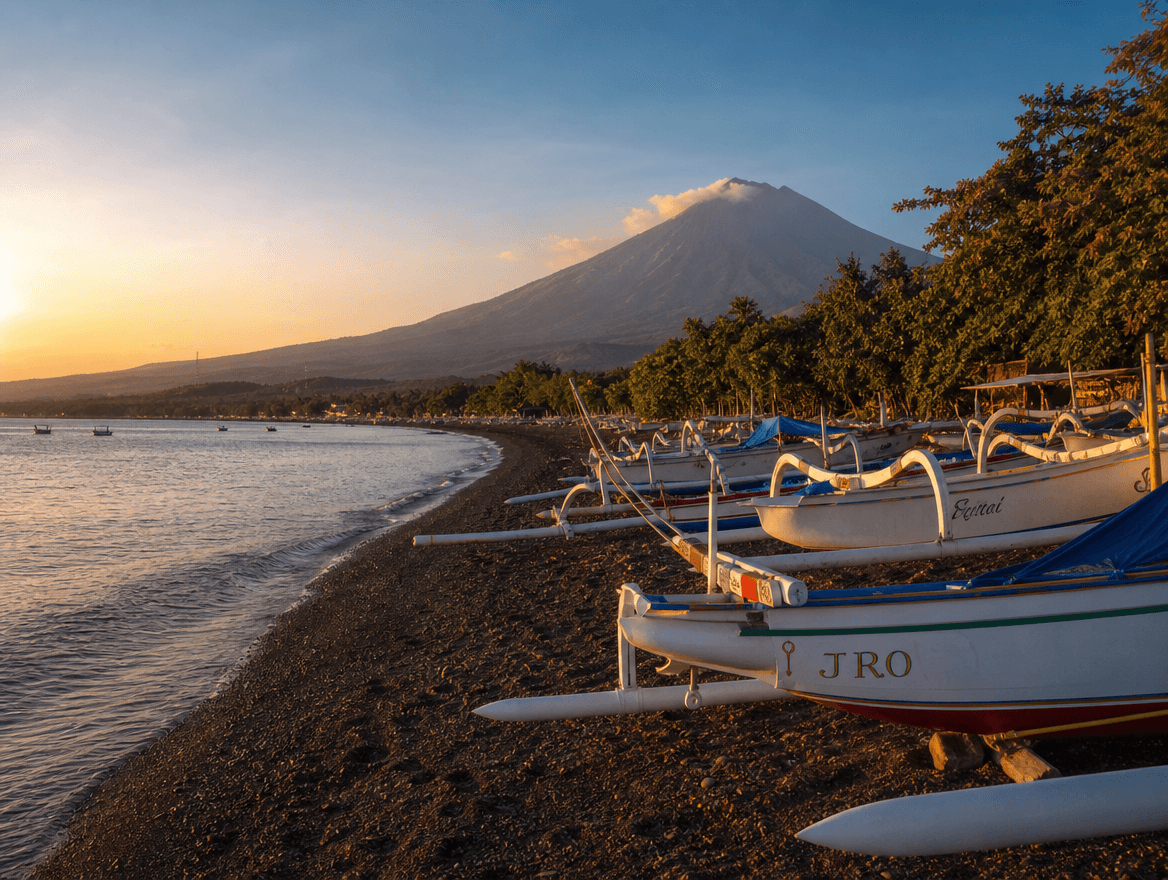
On the southern flank of Mount Batukaru, Bali's second-highest volcano, lies one of the island's most serene and least commercial regions. This is the green heart of Bali: a landscape of misty rainforest, terraced rice fields and one of the holiest temples on the island. Together, the Batukaru sanctuary and the sweeping Jatiluwih rice terraces tell a visual story of a Bali shaped by water, faith and centuries of careful farming.
Pura Luhur Batukaru: Temple in the Clouds
Pura Luhur Batukaru is one of Bali's most important directional temples, set deep in cool, dripping rainforest on the mountain's slopes. Mossy stone shrines, towering trees and frequent mist give the whole sanctuary an otherworldly, hushed quality. There are few crowds here — often just the sound of running water and birdsong — which makes it as much a place of atmosphere as of architecture. Visitors must wear a sarong and sash and behave respectfully, as it remains an active place of worship.
The Jatiluwih Rice Terraces
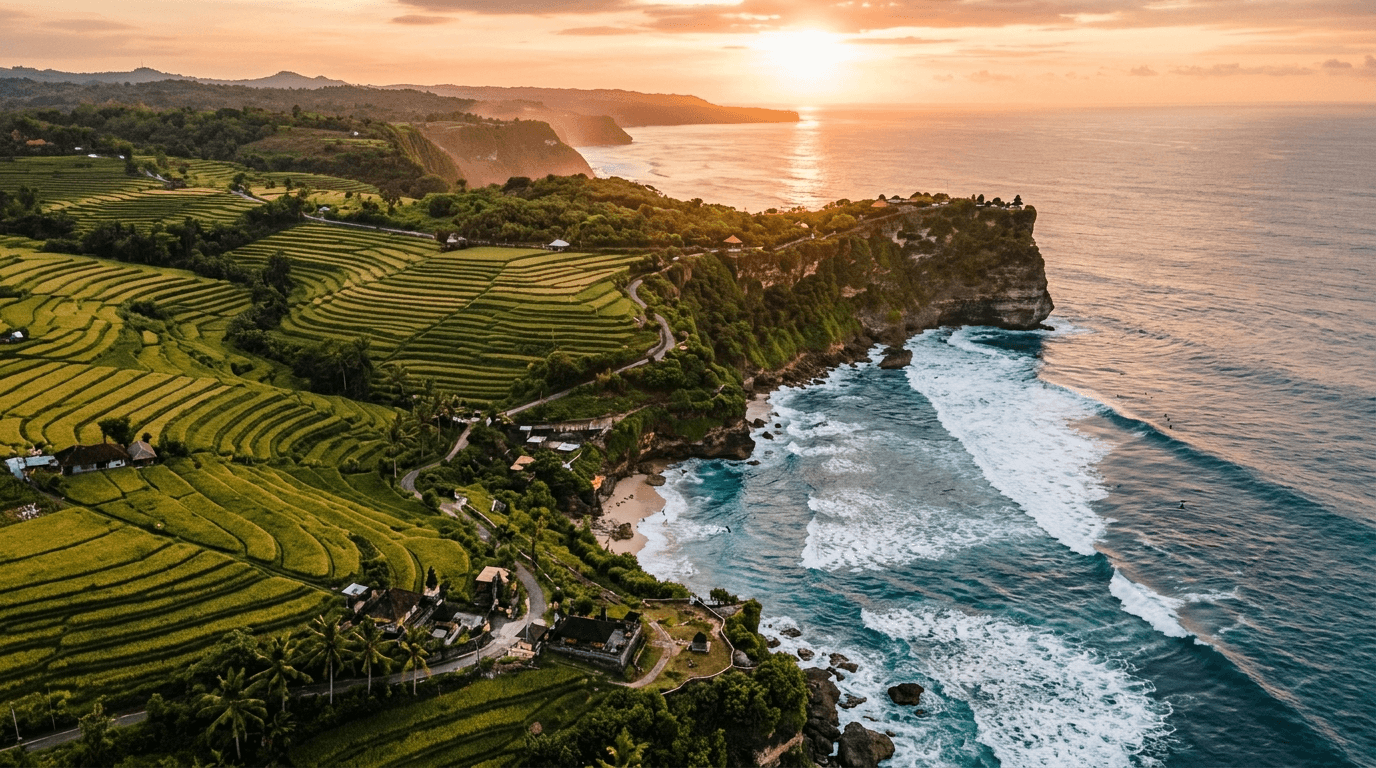
A short drive from the temple, the Jatiluwih rice terraces unfold across the hillsides in vast, flowing curves of green. Recognised for their cultural and agricultural significance, these terraces are among the largest and most beautiful in Bali. Unlike some smaller, busier terraces in the south, Jatiluwih feels expansive and unhurried — you can walk for hours along the field paths with the mountains rising behind you.
Subak: The Living System Behind the View
Jatiluwih's beauty is not accidental. It is shaped by subak, Bali's traditional cooperative irrigation system, in which water is shared between farmers through temples, channels and shared decisions stretching back centuries. The terraces are a working landscape, and understanding the subak system adds depth to every photograph: each band of green is part of a community's living relationship with water and land.
Walking Trails Through the Fields
Several marked walking routes wind through the Jatiluwih terraces, ranging from short strolls to longer loops that take a couple of hours. Following the paths lets you photograph the fields from different angles and elevations, catching the play of light on the water-filled paddies. Wear sturdy shoes, as the trails can be muddy, and go early or late for the softest light and the fewest people.
Light, Mist and the Best Time to Visit
The region's elevation means cooler air and frequent cloud, especially in the afternoons. Mornings tend to be clearer and calmer, with mist lifting off the fields and the mountain occasionally revealing its peak. The terraces shift colour with the rice cycle — vivid green when growing, golden near harvest, and mirror-like just after planting — so the scene rewards repeat visits at different times of year.
Planning Your Visit
Batukaru and Jatiluwih sit in central-west Bali and are best reached by car or with a private driver, as public transport is limited and the roads wind through the hills. The area pairs well with a highland loop. Bring a light jacket for the cooler temperatures, plus rain protection and insect repellent for the forest around the temple.
Good to Know
An entrance contribution is usually requested at Jatiluwih to support the terraces and the farming community, and temple visits require modest dress with a sarong and sash. Verify current fees and opening hours before you go, and check Indonesia's latest tourist regulations and arrival levy through official government channels, as these are updated from time to time.

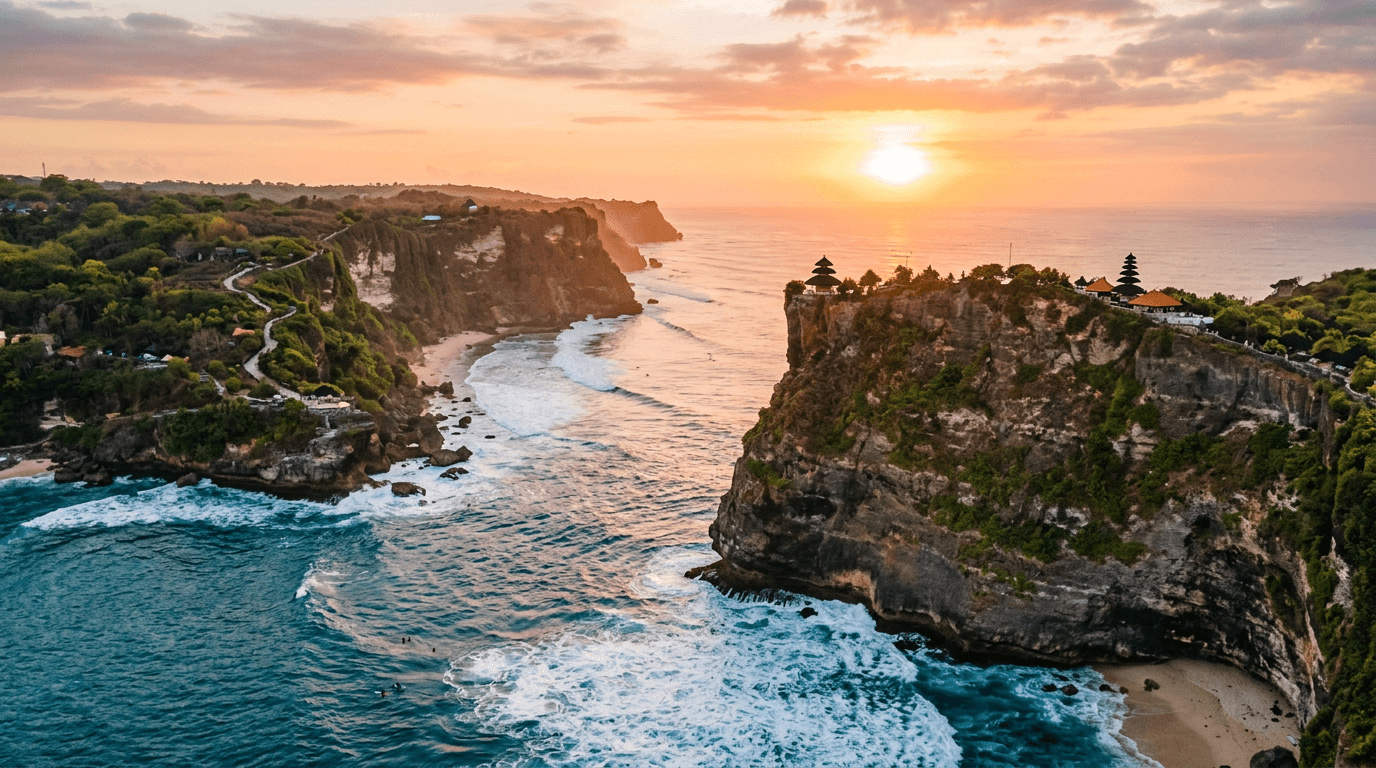
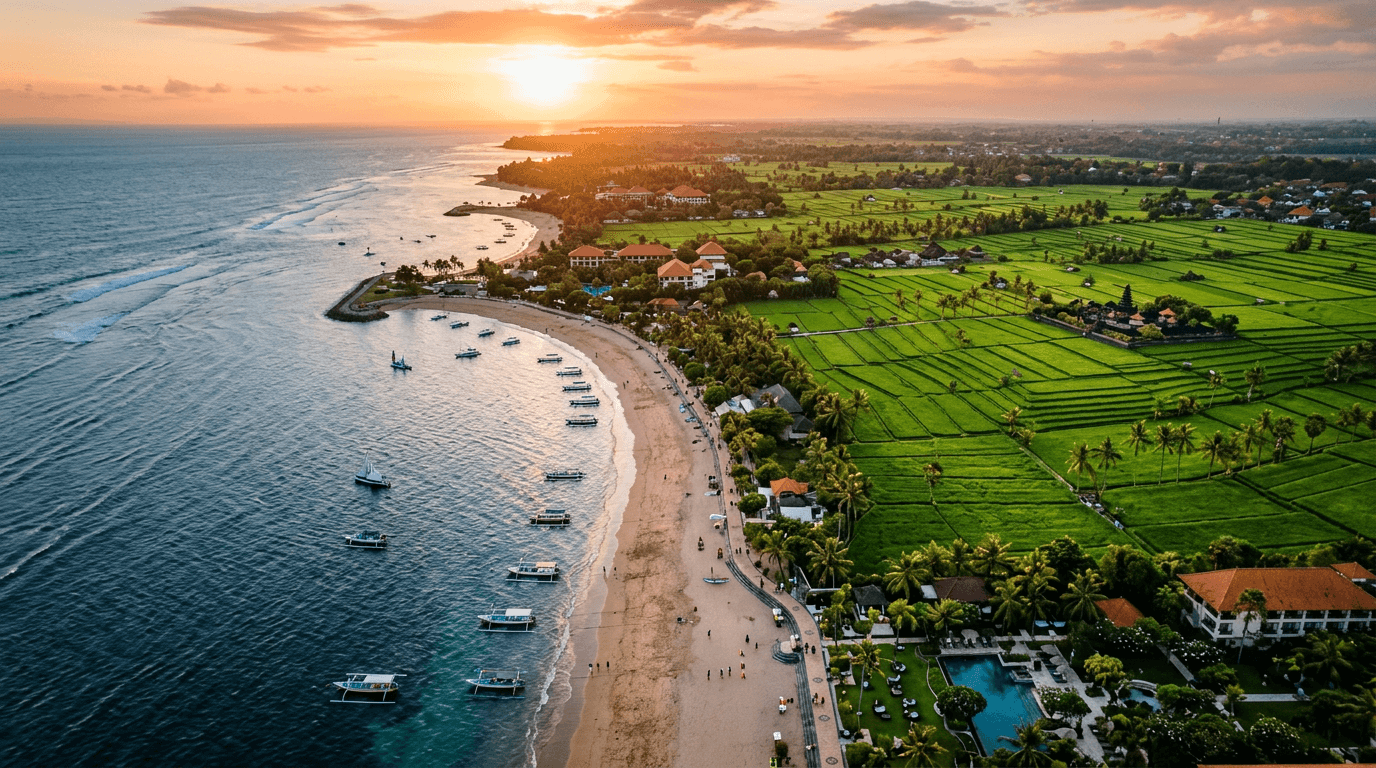
Batukaru and Jatiluwih sit in central Bali on the slopes of Mount Batukaru, home to the UNESCO-recognized Jatiluwih rice terraces and the serene Pura Luhur Batukaru temple. The area is cooler, greener and far quieter than the south, ideal for terrace walks, photography and a sense of traditional Bali. Access and weather vary, so plan ahead and visit temples respectfully.
- Location
- Central Bali, Tabanan
- Rice terraces
- Jatiluwih (UNESCO)
- Temple
- Pura Luhur Batukaru
- Setting
- Mount Batukaru slopes, rainforest
- Best for
- Walks, photography, quiet nature
- Batukaru and Jatiluwih lie in central Bali on Mount Batukaru's slopes.
- The Jatiluwih rice terraces are a UNESCO World Heritage cultural landscape.
- Pura Luhur Batukaru is a serene, important mountain temple.
- The region is cooler, greener and quieter than southern Bali.
- It is ideal for terrace walks, photography and traditional scenery.