 MyGlob Editorial
About Nusa Lembongan
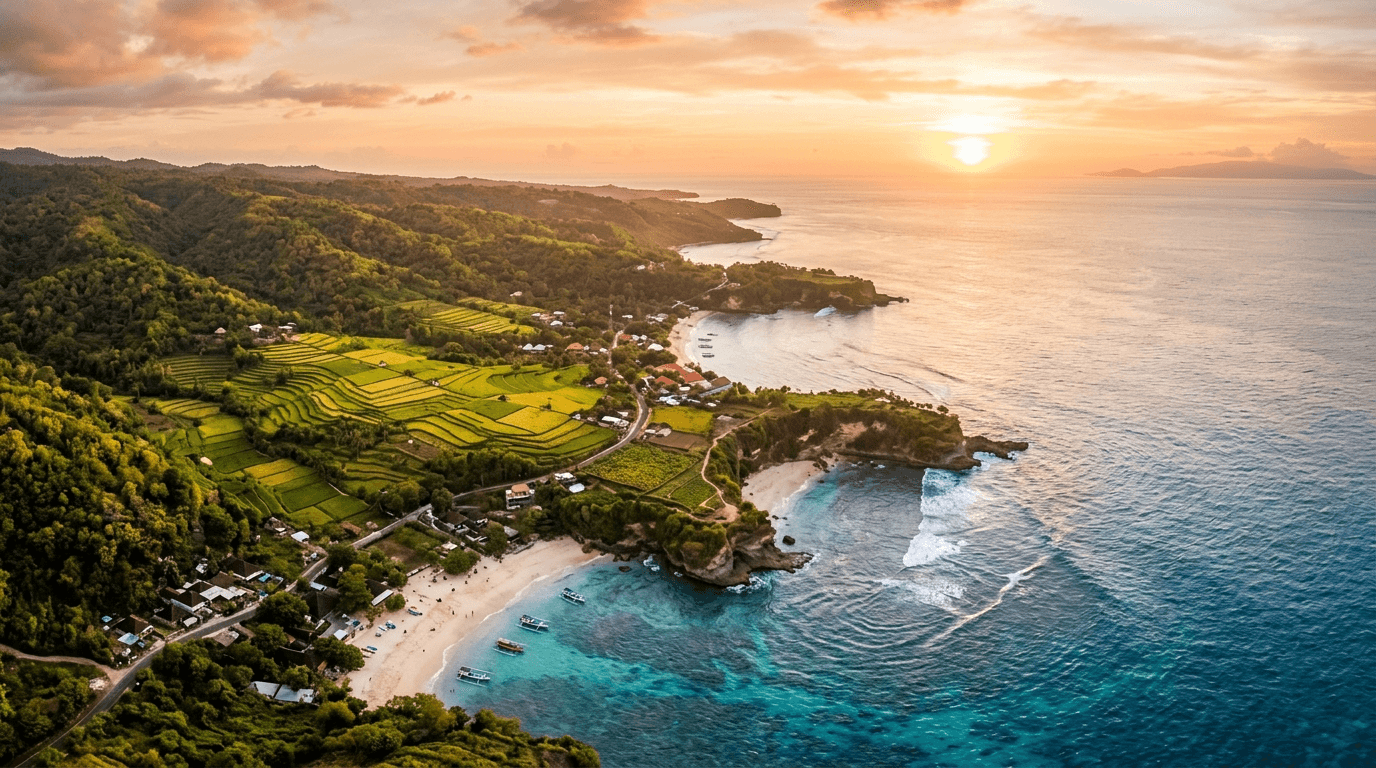
Just off Bali's southeast coast, Nusa Lembongan is the easygoing middle child of the three Nusa islands. Smaller and calmer than busy Nusa Penida, more developed than tiny Ceningan, it hits a sweet spot that keeps people coming back. You can circle the whole island on a scooter in an afternoon, yet there is enough to do, from snorkelling with manta rays to lazing in clifftop beach clubs, to happily fill several days. This guide covers where to stay, where to eat and the experiences worth your time.
Getting to Nusa Lembongan
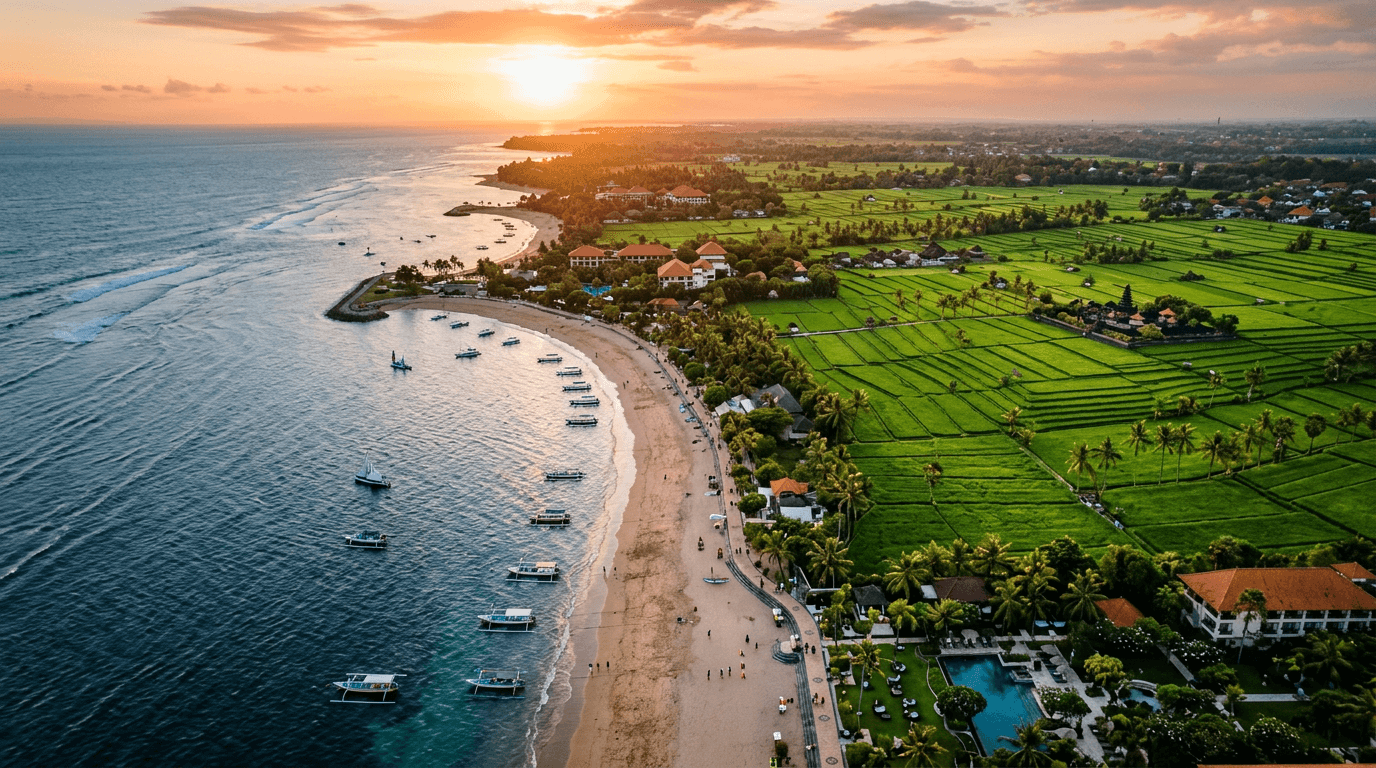
Fast boats depart throughout the day from Sanur, with the crossing taking roughly 30 to 45 minutes. Tickets are easy to buy in advance, and it is wise to confirm your return time, as the last boats leave in the afternoon. On Lembongan itself the easiest way to get around is by renting a scooter, though distances are short enough that walking and the odd ride-hire trip work too. Be aware that some roads are steep and rough, especially the famous bridge to neighbouring Ceningan.
Where to Stay
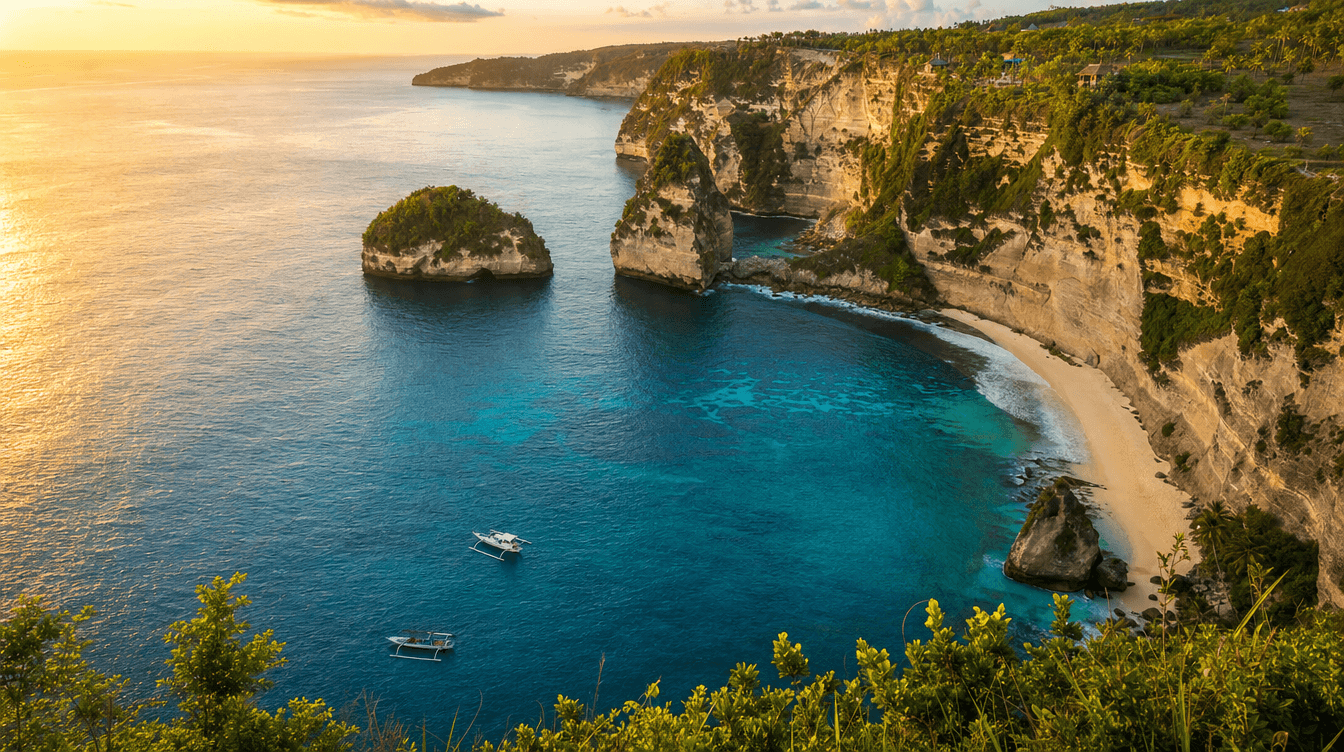
Lembongan's accommodation clusters in a few areas. Jungut Batu, along the north beach, is the original traveller hub with a wide choice of guesthouses, surf lodges and beachfront bars. Mushroom Bay to the south is quieter and prettier, home to several boutique resorts and a calm swimming beach. The cliffs above Dream Beach and Devil's Tear hold some of the most scenic stays with sunset views. For a first visit, Jungut Batu offers the best balance of price, food and atmosphere.
Beaches and the Best Spots
- Dream Beach: a compact bay with powdery sand and powerful surf, best for sunbathing rather than swimming.
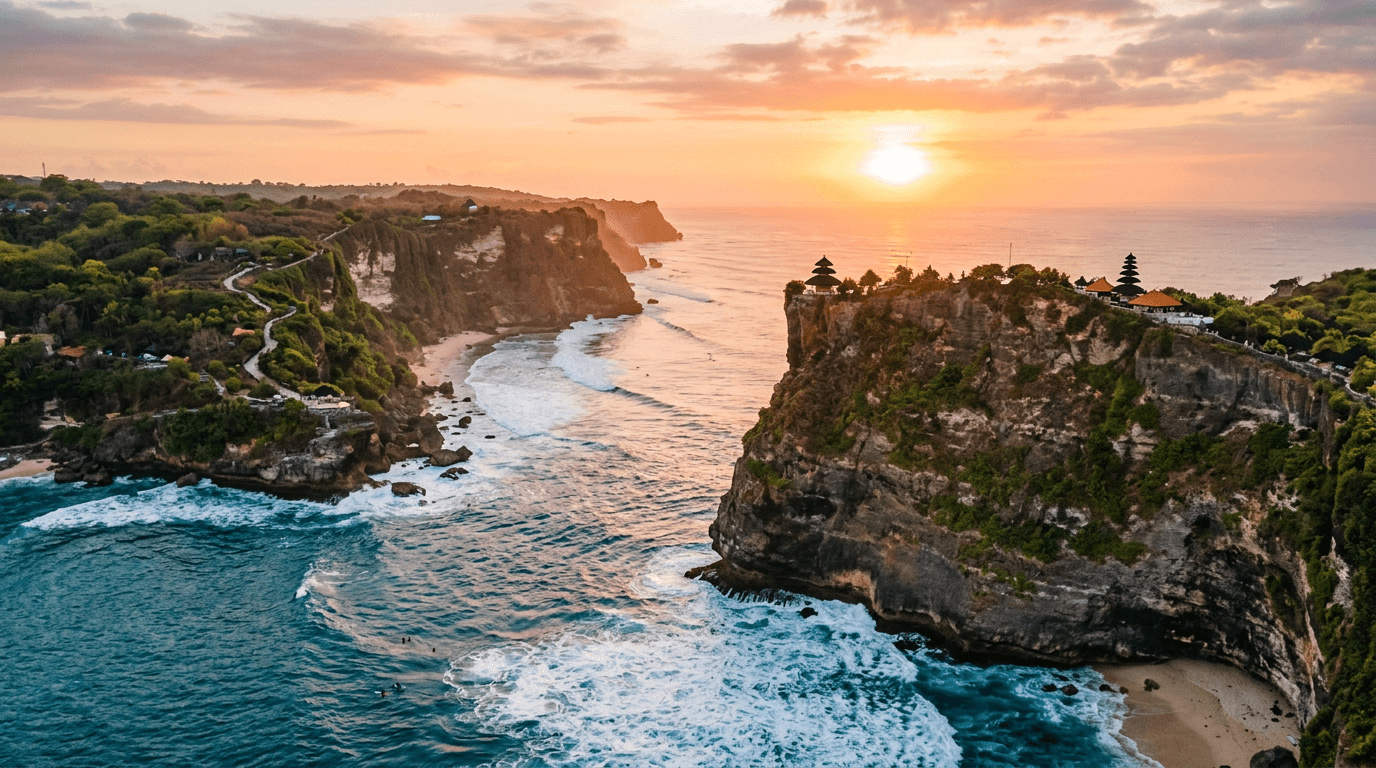
- Devil's Tear: a dramatic rocky point where waves explode upward; spectacular but keep well back from the edge.
- Mushroom Bay: sheltered, calm and ideal for an easy swim.
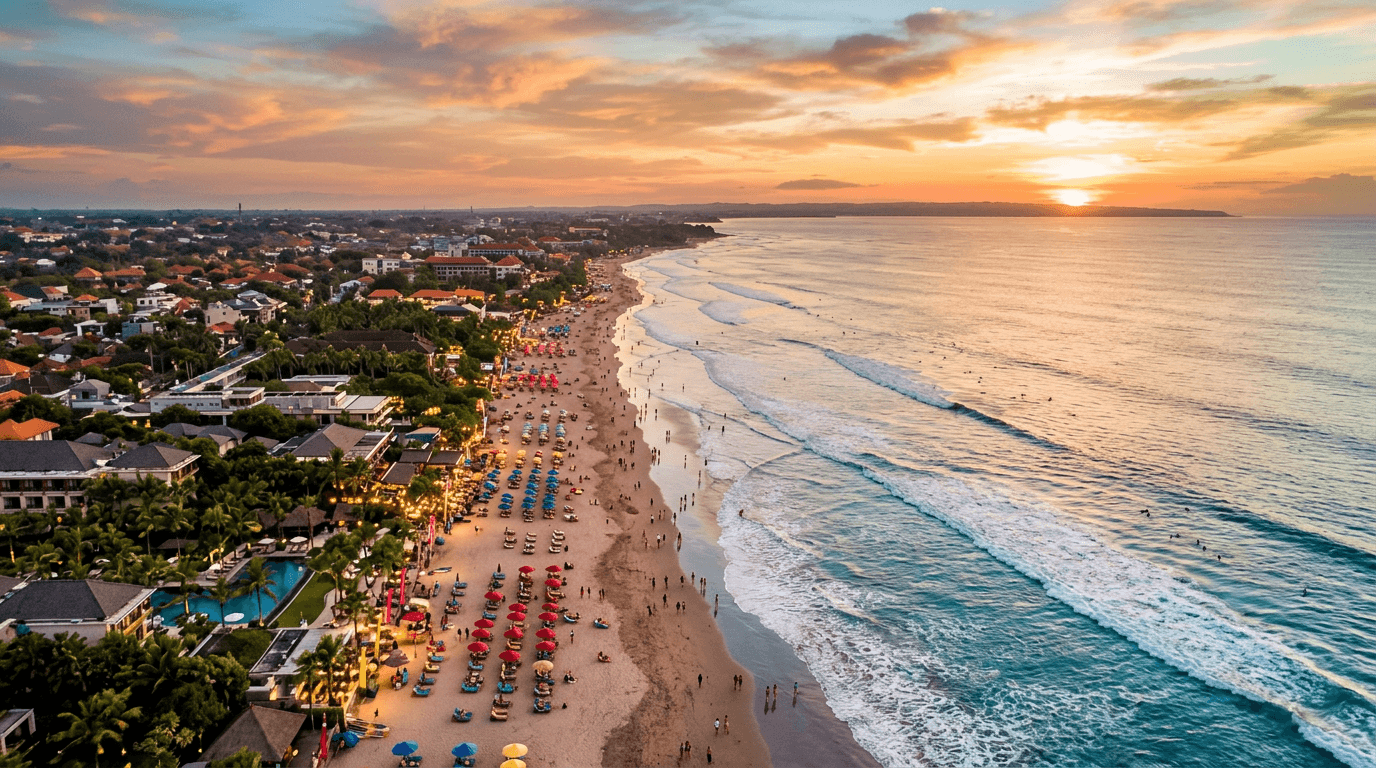
- Jungut Batu Beach: long, lively and the spot to watch surfers and sunsets.
Things to Do
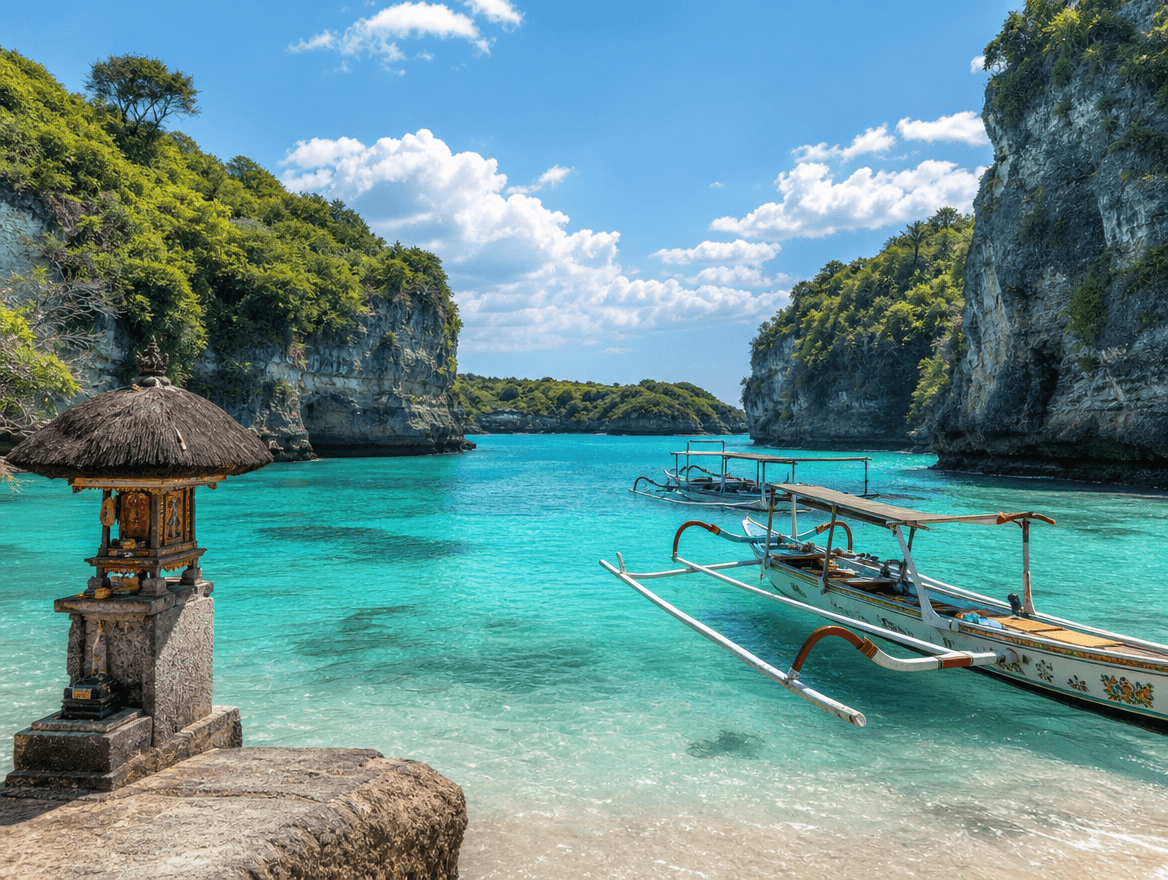
Water is the main event here. Snorkelling and diving trips run out to nearby sites where manta rays, turtles and bright coral are common, and in season divers come hoping to glimpse the strange mola mola sunfish. Surfers will find a handful of reef breaks just offshore. For something gentler, paddle or take a small boat through the mangrove forest on the island's northern tip, or cross the yellow suspension bridge to Ceningan to find the famous Blue Lagoon cliffs. Watching the seaweed farmers work the shallows at low tide is a quiet reminder of the island's traditional livelihood.
Where to Eat
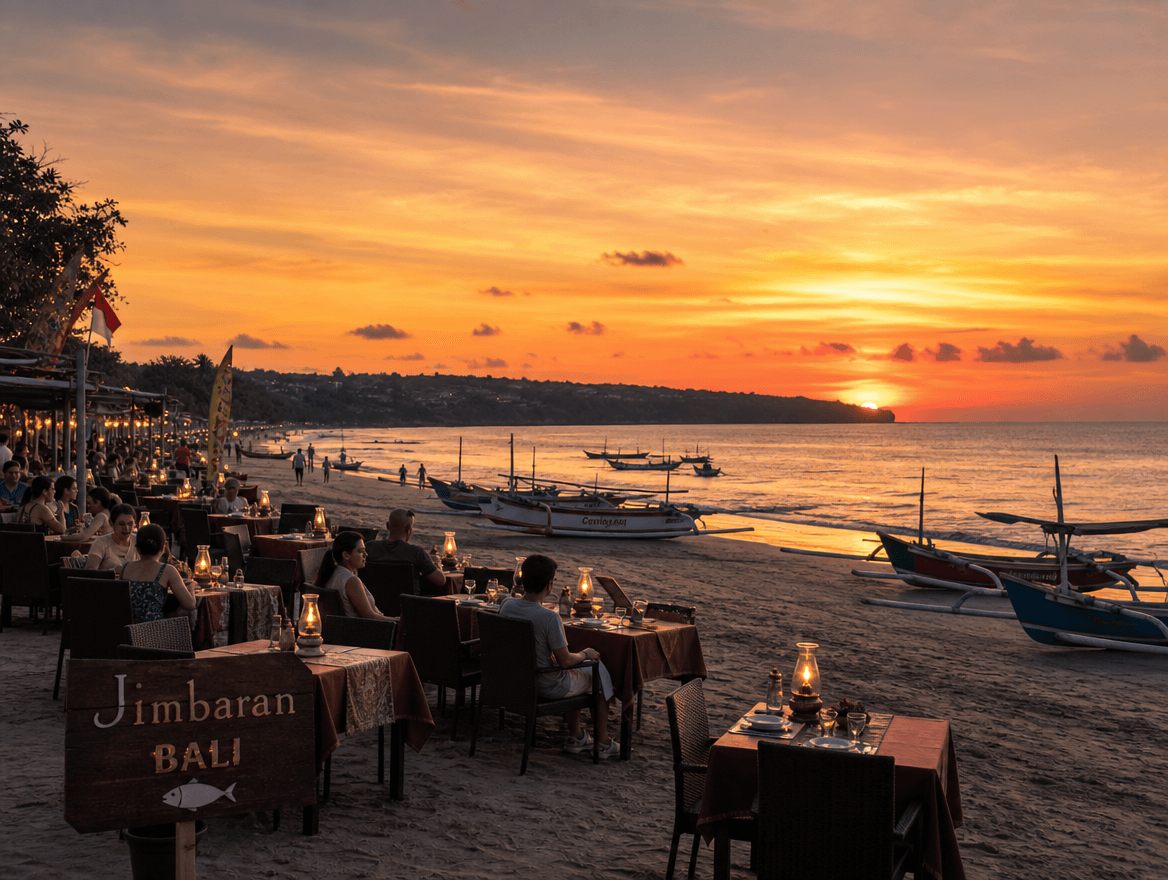
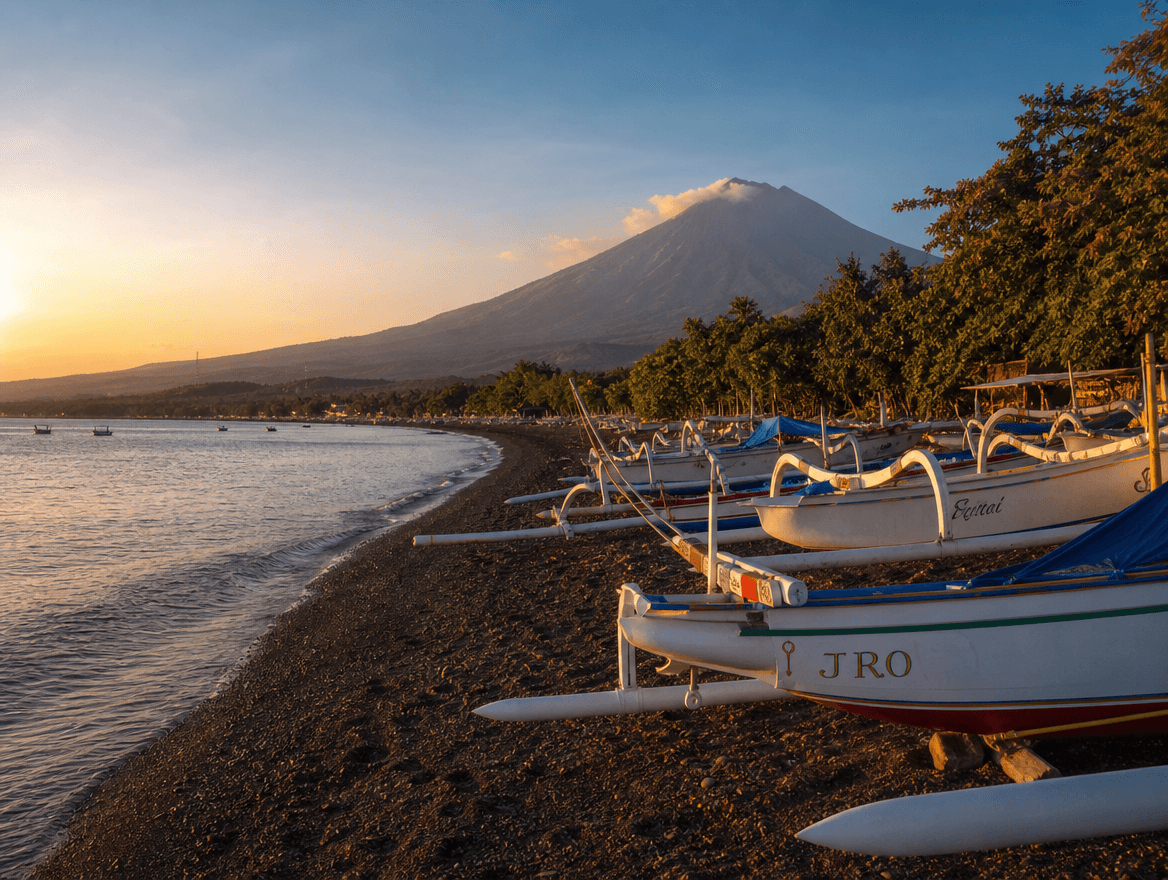
Lembongan's food scene punches above its size. Beachfront warungs serve fresh grilled fish and Indonesian classics at fair prices, while a growing number of cafes turn out smoothie bowls, good coffee and Western comfort food for the surf-and-yoga crowd. Sunset is best enjoyed with a drink at one of the cliff or beach bars on the southwest side, where the view back toward Bali and Mount Agung can be magical on clear evenings.
When to Go and Practical Tips
The dry season from around April to October brings the calmest seas and clearest water, ideal for snorkelling and boat crossings. The wet season is quieter and cheaper but can mean rougher trips and the occasional cancelled boat. Bring enough cash, as ATMs are limited and not always reliable. Reef-safe sunscreen, sturdy sandals for rocky shores and a relaxed attitude are all you really need to enjoy Nusa Lembongan.