 MyGlob Editorial
About Amed
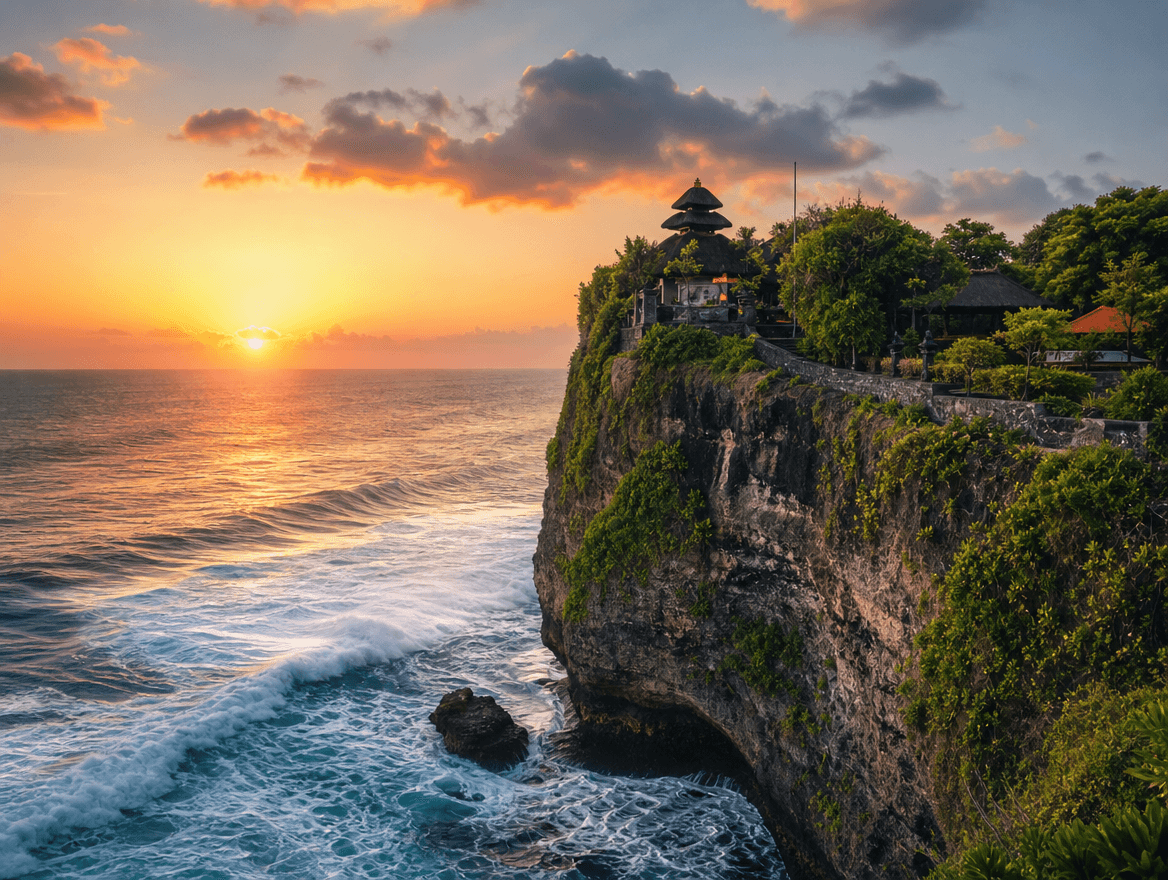
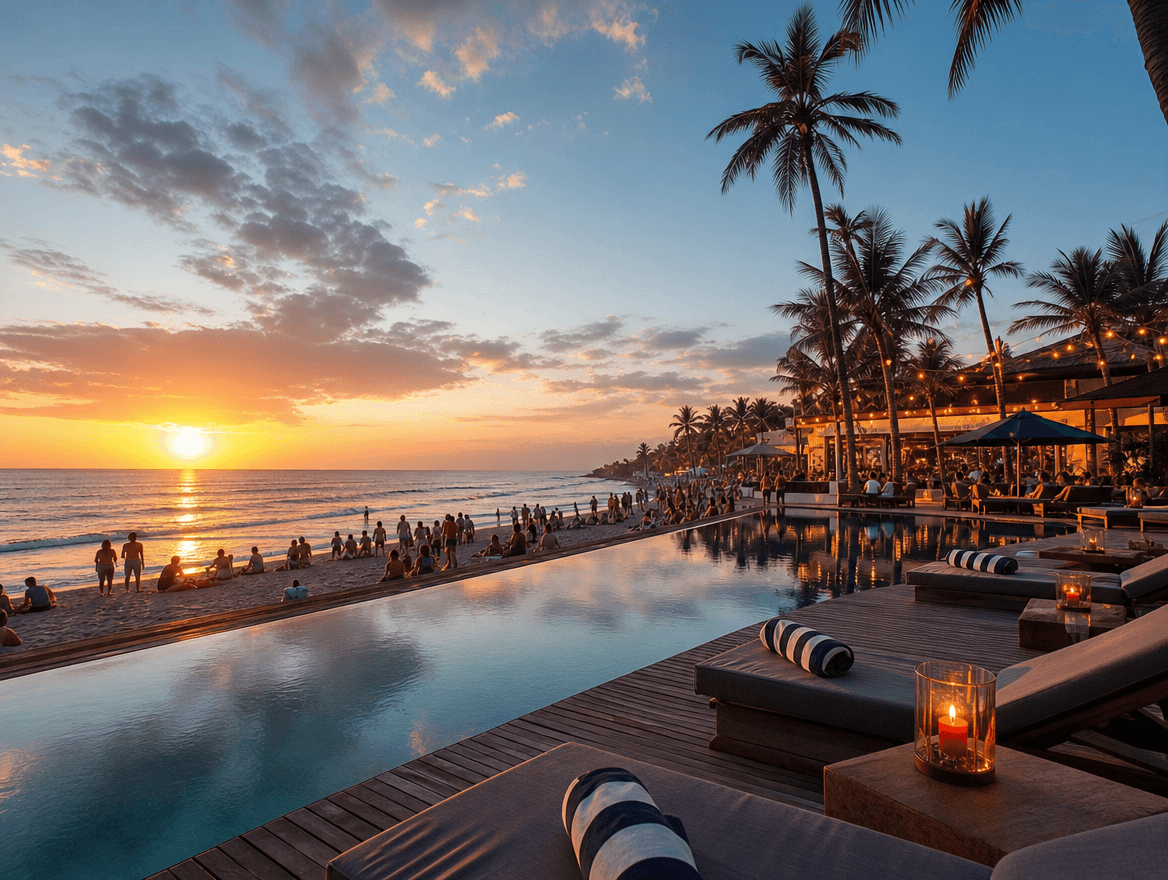
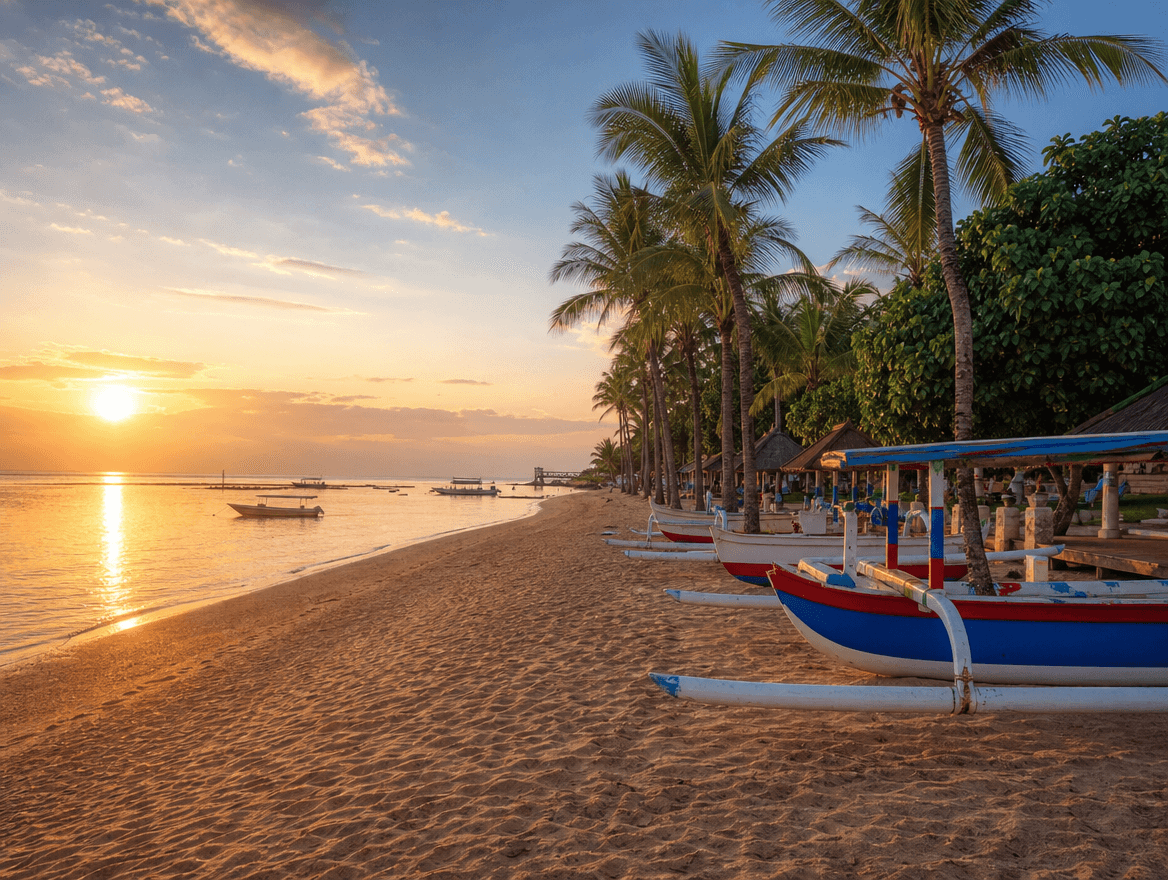
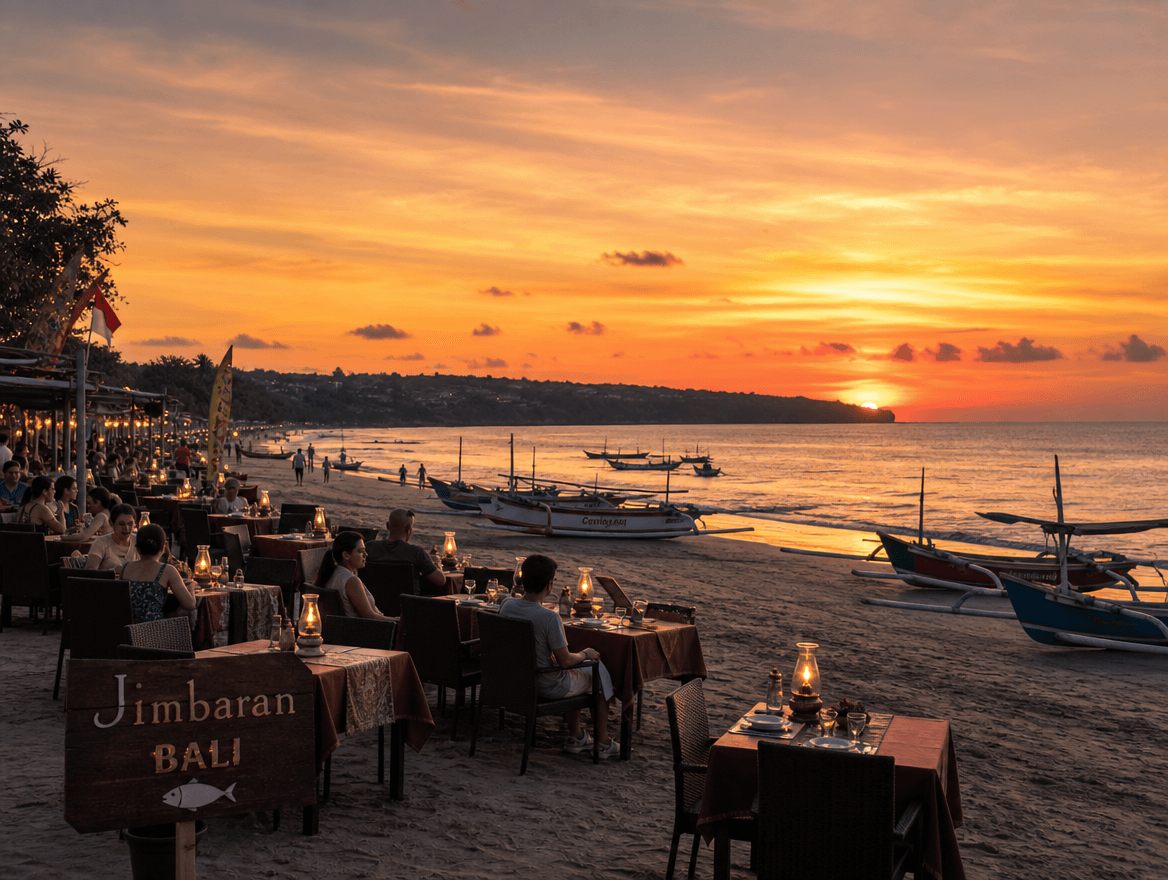
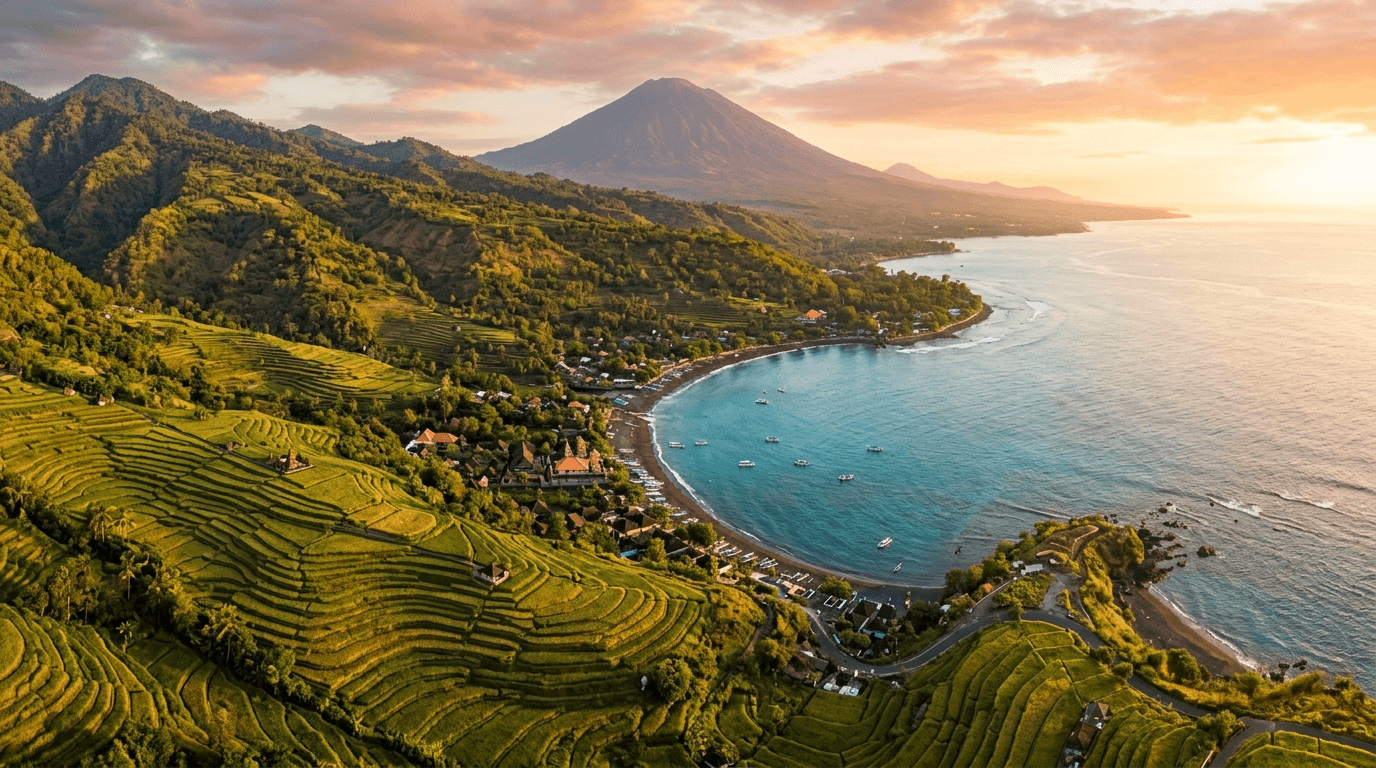
Strung along Bali's dry, sun-baked northeast coast, Amed and Tulamben are a world away from the island's busy south. Here the beaches are black volcanic sand, traditional jukung fishing boats line the shore, and the warm, clear water hides some of the best dive sites in Indonesia. Life moves slowly, prices are gentle, and the main events of the day are sunrise over the sea and the colours of the reef below it.
Why Amed and Tulamben
These twin destinations are first and foremost about the underwater world. Tulamben is home to one of the most famous and accessible shipwreck dives anywhere, while Amed strings together a series of bays with vibrant coral gardens and a celebrated underwater temple-style sculpture site. Calm, easy entry from the beach makes the area a favourite for both beginner divers and snorkellers. Above the water, the coast is quiet, rural and refreshingly undeveloped.
Diving and Snorkelling
The headline attraction in Tulamben is the wreck of the USAT Liberty, a cargo ship that lies just off the beach in shallow water. Encrusted in coral and teeming with fish, it is reachable directly from shore, which is rare for a site of its quality. Amed, meanwhile, offers gentle coral slopes, a Japanese wreck and an atmospheric underwater statue garden — much of it shallow enough to enjoy with just a mask and snorkel.
- Tulamben Liberty wreck — an iconic shore dive suitable for various levels, busiest at dawn.
- Amed's coral gardens — easy, colourful snorkelling straight off the beach.
- The underwater sculpture and Japanese wreck sites near Amed for memorable shallow dives.
Several reputable dive centres operate in both villages, offering courses, guided dives and equipment rental. Choose an operator with good safety standards and qualified instructors, and dive within your training and comfort level.
Where to Stay
Accommodation here is intimate and relaxed: small dive resorts, boutique guesthouses and a growing number of clifftop bungalows with sea views. Many properties cater specifically to divers, with on-site centres and early breakfasts. Booking a place near your preferred dive sites saves time and lets you slip into the water at the best hours.
- Dive resorts with in-house centres for fuss-free diving and snorkelling.
- Clifftop and hillside bungalows for sunrise sea views over the bays.
- Budget-friendly guesthouses in the villages for longer, slower stays.
Where to Eat
Dining is laid-back and local. Warungs along the coast road serve fresh seafood, Indonesian classics and the occasional Western dish, while many resorts have their own relaxed restaurants with sea views. Grilled fish, nasi campur and cold drinks after a dive are the simple pleasures of the area, and prices are far lower than in the south.
Things to Do Beyond the Water
When you are not in the sea, the dry coast offers plenty of slow-travel rewards. Sunrise here is spectacular, often with the silhouette of Mount Agung looming behind the bays. Take a freediving or yoga class, hike the coastal hills, or hire a scooter to explore the string of quiet bays and traditional salt-making operations along the shore.
- Catch sunrise over the sea, sometimes framed by Mount Agung.
- Try a freediving or yoga session — both are popular in the area.
- Hike the arid coastal ridges for sweeping ocean views.
- Visit local salt farmers who still harvest sea salt by hand.
Getting There and Around
Amed and Tulamben sit a few hours' drive from the airport and southern resorts, so most visitors arrive by private car or driver. Once there, a rented scooter is handy for hopping between bays — recommended only for experienced riders with helmets and valid licences. The remoteness is part of the appeal, so plan to stay at least a couple of nights to make the journey worthwhile.
Practical Tips
Choose certified dive operators and never dive beyond your training. Bring reef-safe sunscreen, stay hydrated in the dry heat, and carry small cash, as ATMs are limited. Indonesia updates its tourist regulations from time to time and a visitor levy applies on arrival, so check current rules and fees through official government channels before you travel.