Bali Culture Guide 2026: Arts, Dance, Music, Temples & Museums
From hypnotic temple dances to gamelan orchestras, sacred shrines and living craft villages, here are the cultural experiences that reveal the soul of Bali.
 MyGlob Editorial April 16, 2026 1 min read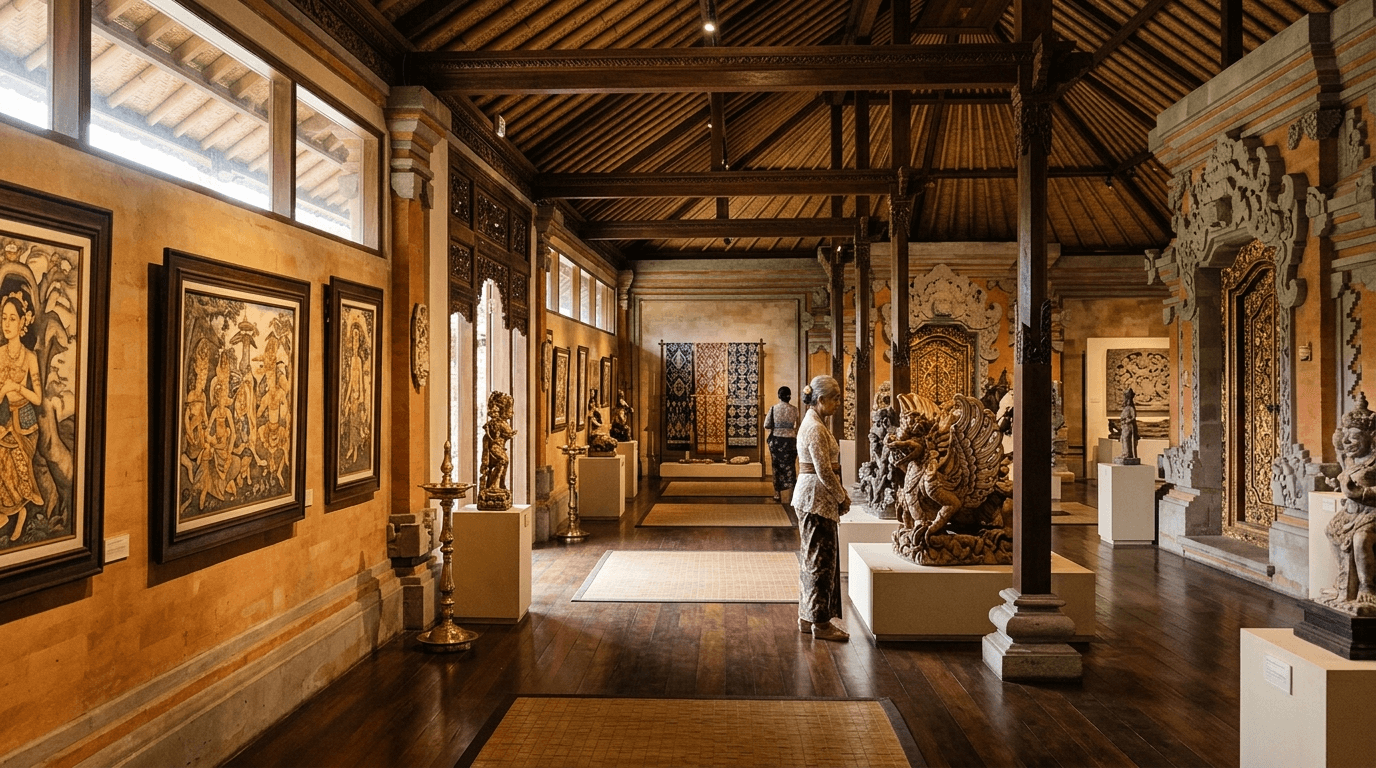
Bali's culture is not a museum piece — it is a living, daily practice woven through every village, household and temple. Hindu rituals, classical dance, gamelan music and intricate crafts shape the rhythm of the island. For visitors, engaging with this culture respectfully is one of the most rewarding parts of any trip. Here are the experiences, art forms and places that best capture the spirit of Balinese tradition.
 01Pick #1
Kecak Fire Dance — the chanting drama
Perhaps Bali's most electrifying performance, the Kecak features a circle of dozens of men chanting cak-cak-cak in interlocking rhythm, with no instruments at all, to tell a tale from the Ramayana epic. Performed at sunset at clifftop venues such as Uluwatu, the combination of firelight, voices and ocean backdrop is unforgettable.
 02Pick #2
Legong & Barong Dance — classical storytelling
The Legong is a refined, intricate dance traditionally performed by young girls in elaborate gold costumes, every flicker of the eyes and fingers carrying meaning. The Barong dance, meanwhile, stages the eternal battle between the lion-like Barong (good) and the witch Rangda (evil). Both are widely performed in Ubud and beyond.
 03Pick #3
Gamelan — the sound of Bali
The shimmering, percussive sound of the gamelan orchestra — bronze metallophones, gongs and drums — is the soundtrack to Balinese life, accompanying dances, ceremonies and temple festivals. Catching a live gamelan performance, or even a village rehearsal, reveals the astonishing precision and energy behind the music.
 04Pick #4
Ubud — the cultural capital
Ubud is the beating heart of Balinese arts. Its palace hosts nightly dance performances, its streets are lined with galleries, and the surrounding villages specialise in painting, carving and music. Spend an evening at a temple-courtyard dance and a day exploring the town's museums and studios to understand why Ubud draws artists from around the world.
- 05Pick #5
Temples — the sacred landscape
Bali is called the Island of a Thousand Temples, and shrines are everywhere — from grand directional temples to tiny family compounds. Iconic sites include the sea temple of Tanah Lot, the clifftop Uluwatu, the mountain sanctuary of Besakih and the lakeside Ulun Danu Beratan. Always wear a sarong and sash and follow local etiquette when visiting.
- 06Pick #6
Museums & Galleries — Balinese art preserved
Ubud and its surroundings hold several excellent museums dedicated to Balinese and Indonesian art, tracing the island's painting traditions and the foreign artists who influenced them. These collections give context to the styles you will see for sale across the island and are a cool, quiet refuge on a hot afternoon.
- 07Pick #7
Craft Villages — carving, silver & weaving
Many villages specialise in a single craft: stone and wood carving, silver and goldsmithing, and traditional weaving among them. Visiting a workshop lets you watch artisans at work and buy directly from the makers. The skill passed down through generations is humbling to witness.
- 08Pick #8
Galungan & Kuningan — the great festivals
Balinese Hinduism follows a calendar of frequent ceremonies, the most important being Galungan and Kuningan, which celebrate the victory of good over evil. During these periods, tall, curved bamboo poles called penjor line the roads and offerings fill the temples. Witnessing a festival is a privilege — observe quietly and respectfully.
- 09Pick #9
Nyepi — the day of silence
Bali's Hindu New Year, Nyepi, is a remarkable day of total silence in which the entire island shuts down — no flights, no traffic, no lights. The night before brings spectacular parades of giant ogoh-ogoh monster effigies. If your trip coincides with Nyepi, plan to stay in your accommodation for the day.
- 10Pick #10
Canang Sari — daily offerings
Those small palm-leaf trays of flowers, rice and incense you see on pavements, shrines and dashboards are canang sari, daily offerings of gratitude. They are a beautiful, everyday expression of Balinese devotion. Take care not to step on them, and ask before photographing people during prayer.
- 11Pick #11
Traditional Crafts to Take Home
From hand-woven ikat textiles and batik to silver jewellery and wood carvings, Balinese crafts make meaningful souvenirs. Buying from village workshops or reputable shops supports artisans directly. Haggle politely at markets, but recognise the genuine value of handmade work.
- 12Pick #12
Respectful Travel
Engaging with Balinese culture means observing its etiquette: dress modestly at temples, never touch anyone's head, use your right hand to give and receive, and step around offerings. Confirm performance schedules and temple opening times in advance, and check Indonesia's latest tourist regulations and arrival levy through official government channels before you travel.
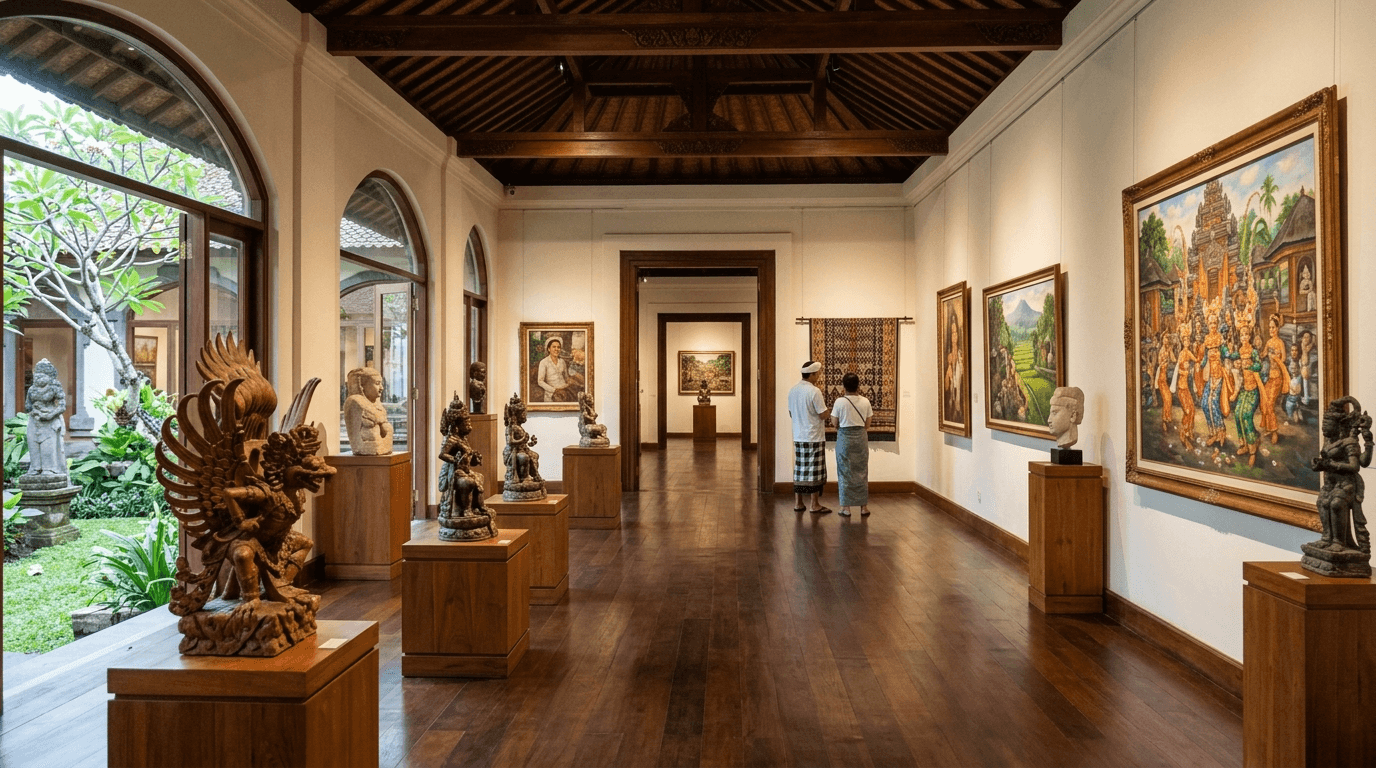
Balinese culture is a vibrant blend of Hindu-rooted religion, traditional dance, gamelan music, fine crafts and elaborate temple life. Visitors can experience it through dance performances, temple visits, art villages and museums; dress respectfully and follow local etiquette at sacred sites.
- Cultural roots
- Balinese Hinduism
- Signature arts
- Dance and gamelan music
- Famous dances
- Kecak, Legong, Barong
- Art hub
- Ubud and nearby villages
- Etiquette
- Sarong and modesty at temples
- Balinese culture is rooted in Balinese Hinduism.
- Traditional dance and gamelan music are central arts.
- Temples and ceremonies shape everyday life.
- Art villages specialize in crafts and painting.
- Museums showcase Bali's artistic heritage.