 MyGlob Editorial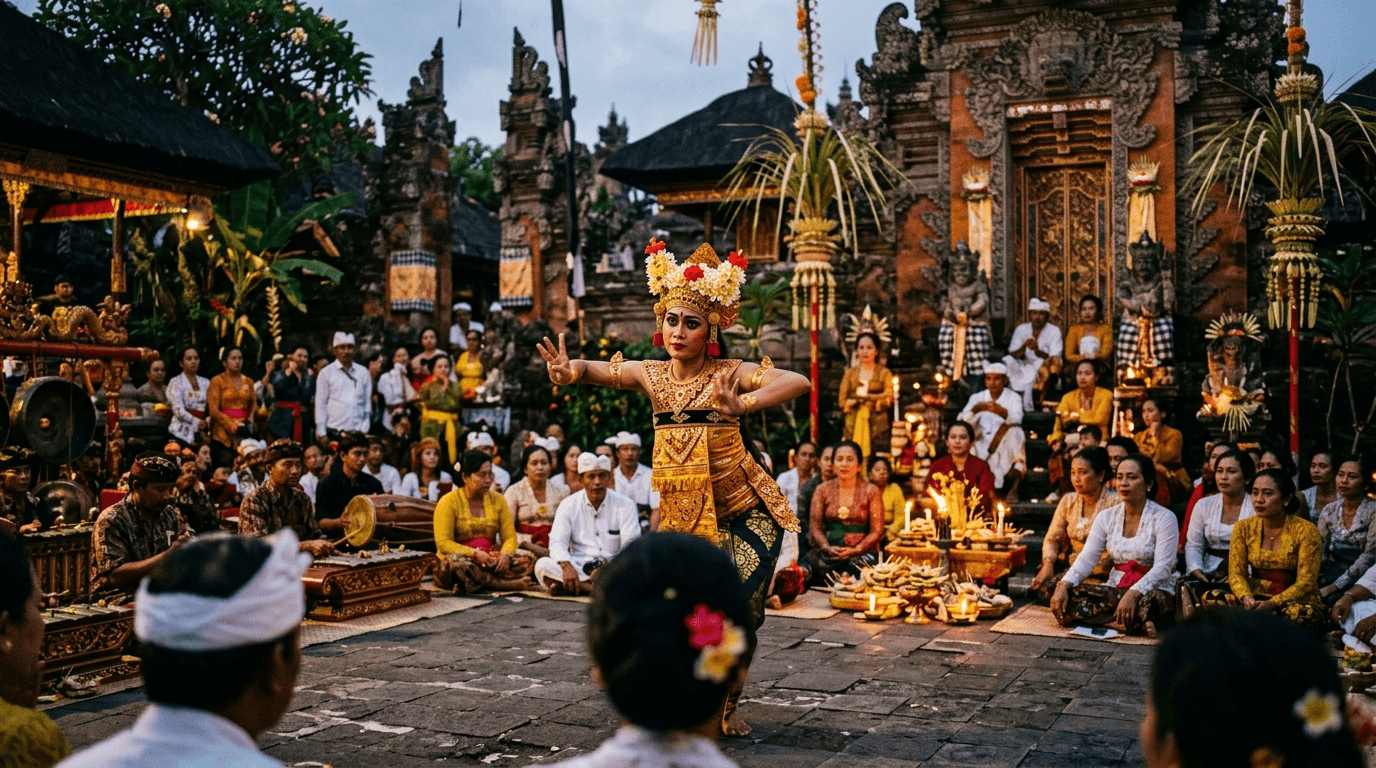
To understand Bali, you have to look up. The island's character is written into its mountains, a chain of volcanoes that rises from a fertile interior and anchors the spiritual world of its people. These peaks are at once geological engines, sources of life-giving soil and water, and the dwelling places of gods. For the Balinese, the mountains are not a backdrop but the moral and physical center of existence.
A Landscape Built by Fire
Bali sits within one of the most volcanically active regions on Earth, where the movement of vast tectonic plates feeds a line of fire stretching across the archipelago. Eruptions over millennia layered the island with mineral-rich ash that broke down into some of the most fertile soil imaginable. This is why Bali, despite its modest size, can sustain lush rice terraces, coffee plantations and dense forest.
The same forces that bring fertility also bring danger. Bali's volcanoes are monitored continuously, and activity can rise with little warning, which is why local authorities sometimes set exclusion zones and adjust trekking access.
Mount Agung, the Sacred Summit
Towering over eastern Bali, Mount Agung is the island's highest peak and its holiest. In Balinese belief it is the cosmic mountain, the axis around which the spiritual world is oriented. Temples are traditionally built facing it, and the direction toward Agung carries deep significance in everything from architecture to how people sleep.
On its slopes stands Besakih, the Mother Temple, the largest and most important religious complex on the island. Agung is an active volcano, and its periodic awakenings are treated with both scientific seriousness and profound reverence.
Mount Batur and Its Caldera
In the central highlands, Mount Batur rises from within an enormous ancient caldera that cradles a crescent lake. Smaller and more accessible than Agung, Batur has become the island's signature sunrise trek. Hikers set out in darkness to reach the rim as dawn breaks over the surrounding mountains, sometimes glimpsing steam still rising from the earth.
The wider Batur landscape is recognized internationally as a geopark for its geological importance. Treks should always be arranged with licensed local guides, both for safety and out of respect for the community that manages access to the mountain.
The Mountains and the Faith
Balinese Hinduism organizes the world along a sacred axis running from the mountains down to the sea. The highlands are the realm of purity and the divine, while the coast is associated with lower, more chaotic forces. This orientation, known as kaja and kelod, governs the layout of villages, the placement of shrines within a home, and the flow of countless ceremonies.
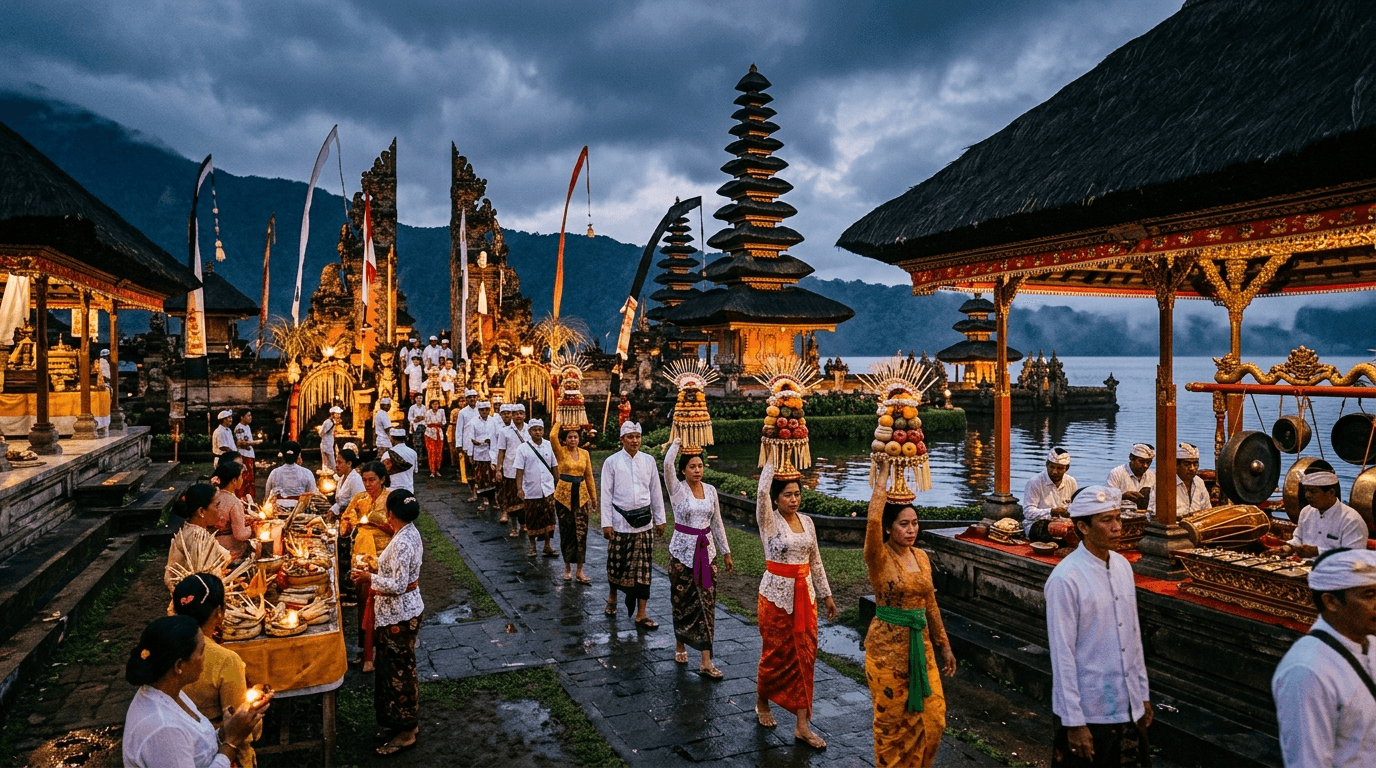
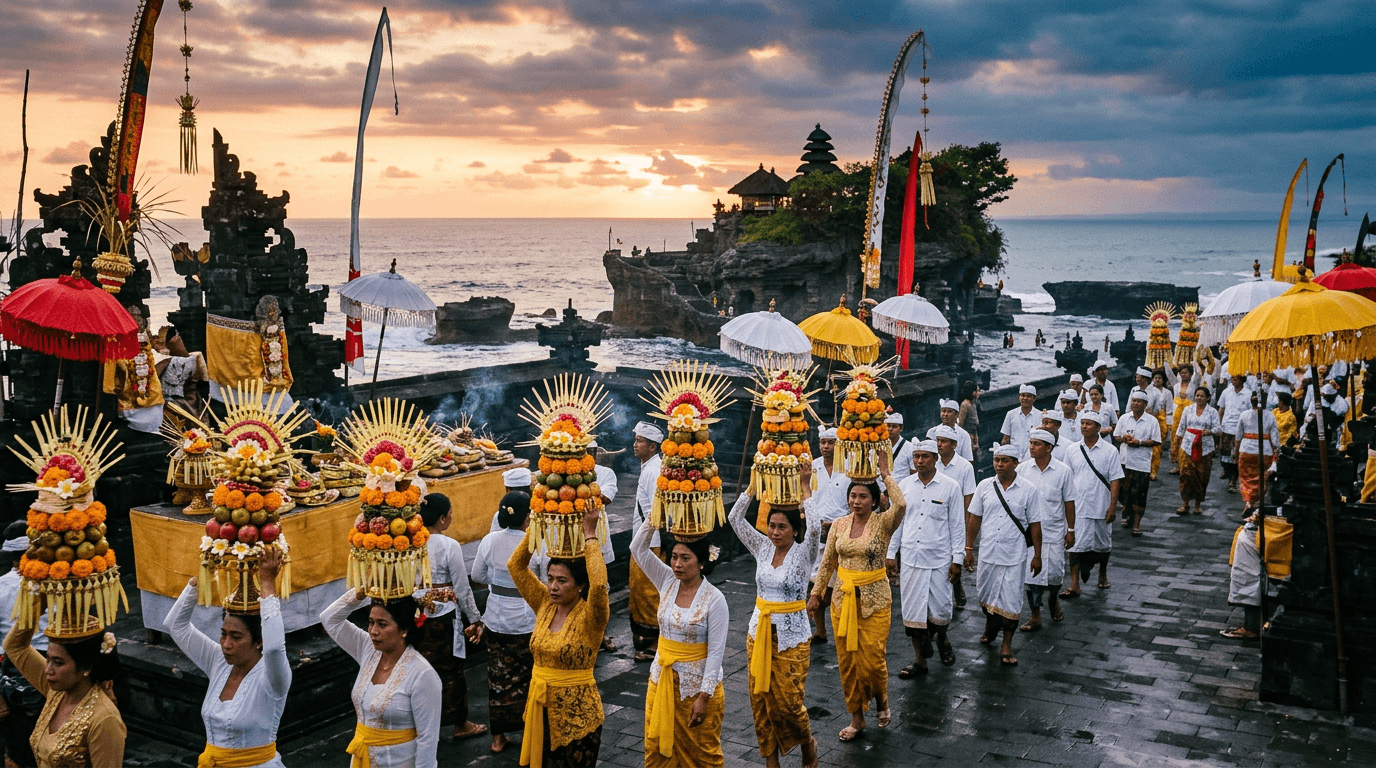
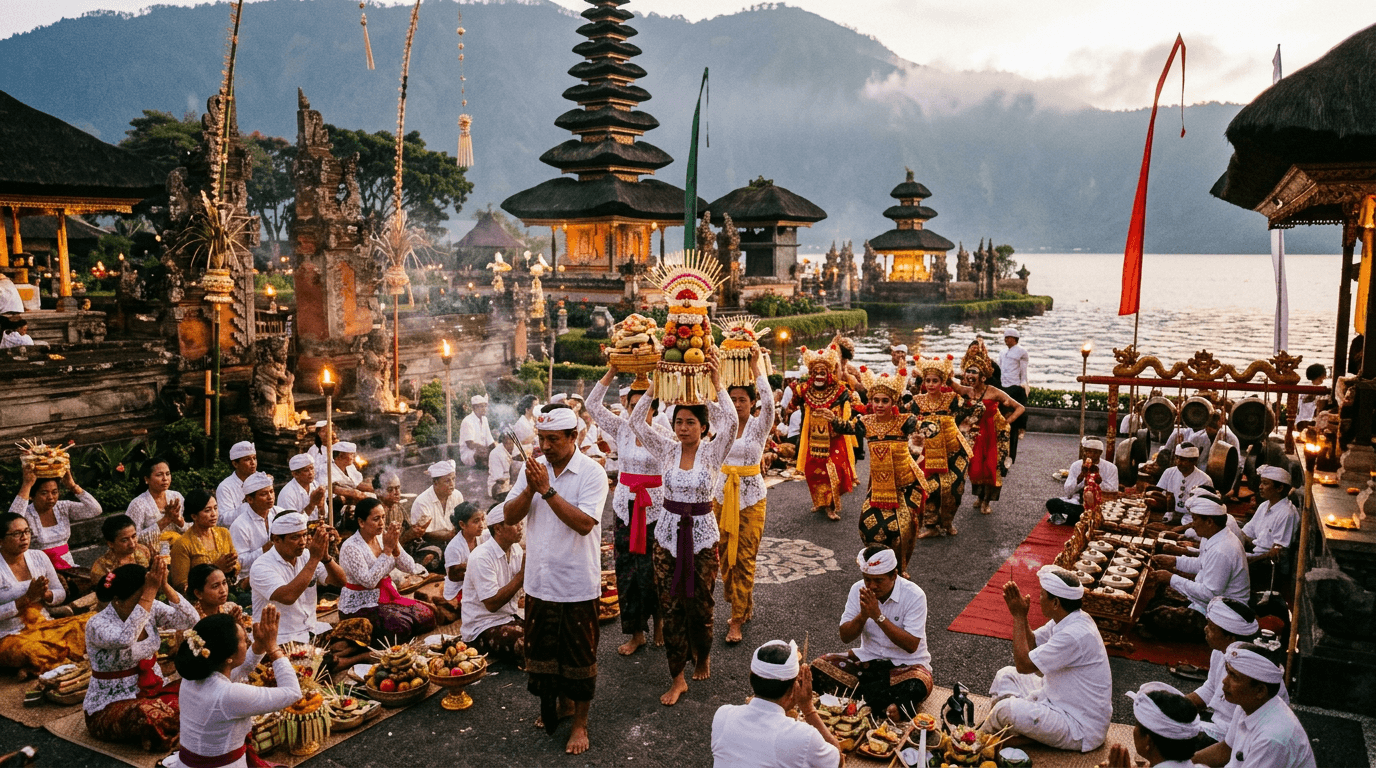
Mountain temples and lakeside sanctuaries play a central role in the rituals that ask the gods for water, fertility and balance. The peaks are, quite literally, where the Balinese feel closest to the sacred.
Water, Rice and Life
The mountains capture the monsoon rains and release them through springs, rivers and crater lakes that irrigate the lowlands. This water feeds the subak, the cooperative irrigation system that has sustained Balinese rice cultivation for over a thousand years and is celebrated for weaving together farming, religion and community. Without the mountains, the famous rice terraces simply could not exist.
Visiting the Peaks Responsibly
Travelers can experience the mountains in many ways, from gentle drives through the highland villages around the lakes to demanding pre-dawn climbs. Whatever you choose, go with reputable local guides, dress warmly because the summits are genuinely cold before sunrise, and check current volcanic and weather conditions before setting out. Carry out everything you bring, and remember that for the Balinese these are holy places, not merely scenic ones.
Living with the Mountain
There is a quiet wisdom in how the Balinese relate to their volcanoes. They accept that the mountains can both give and destroy, and they meet that reality not with fear but with ritual, gratitude and care. To stand on a misty ridge at sunrise, watching the island wake beneath you, is to feel a little of that perspective, a reminder that Bali's beauty and its faith both rise, in the end, from fire.