 MyGlob Editorial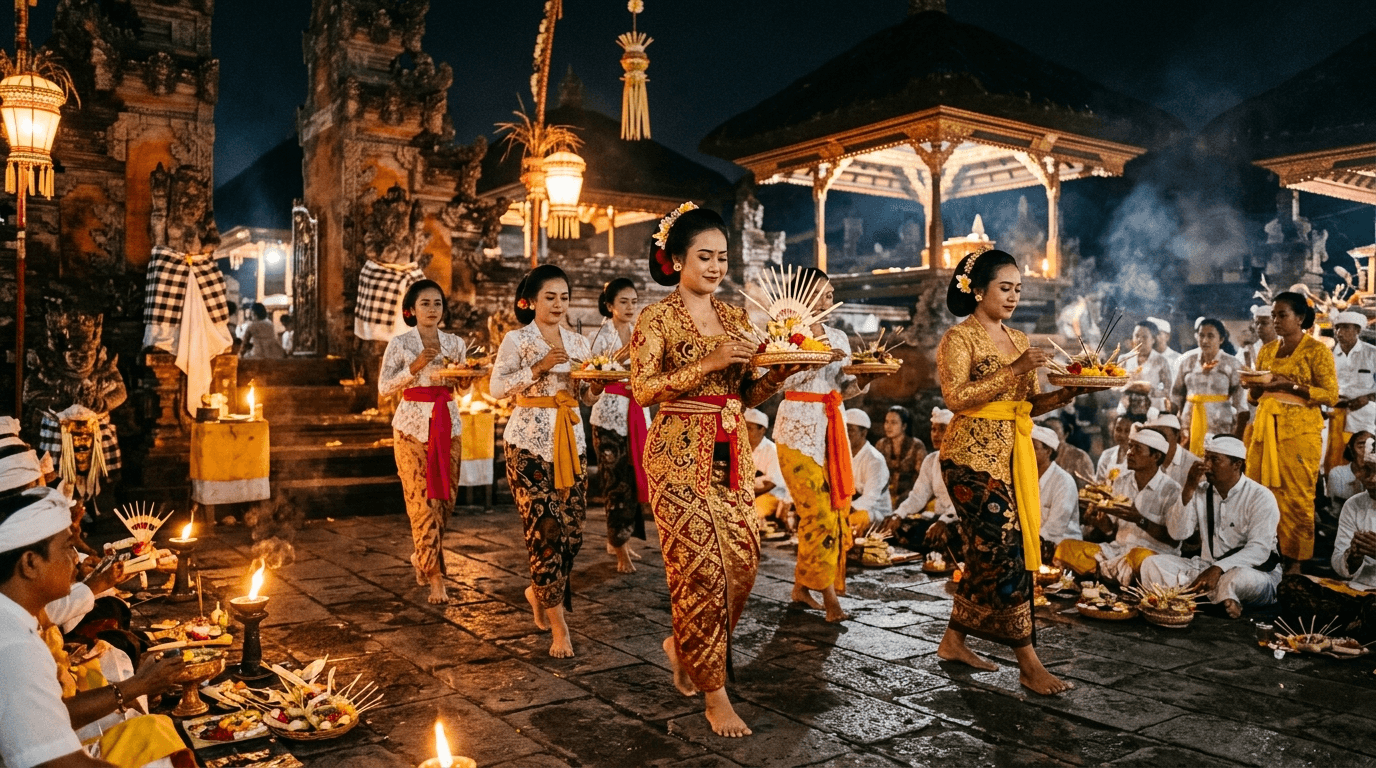
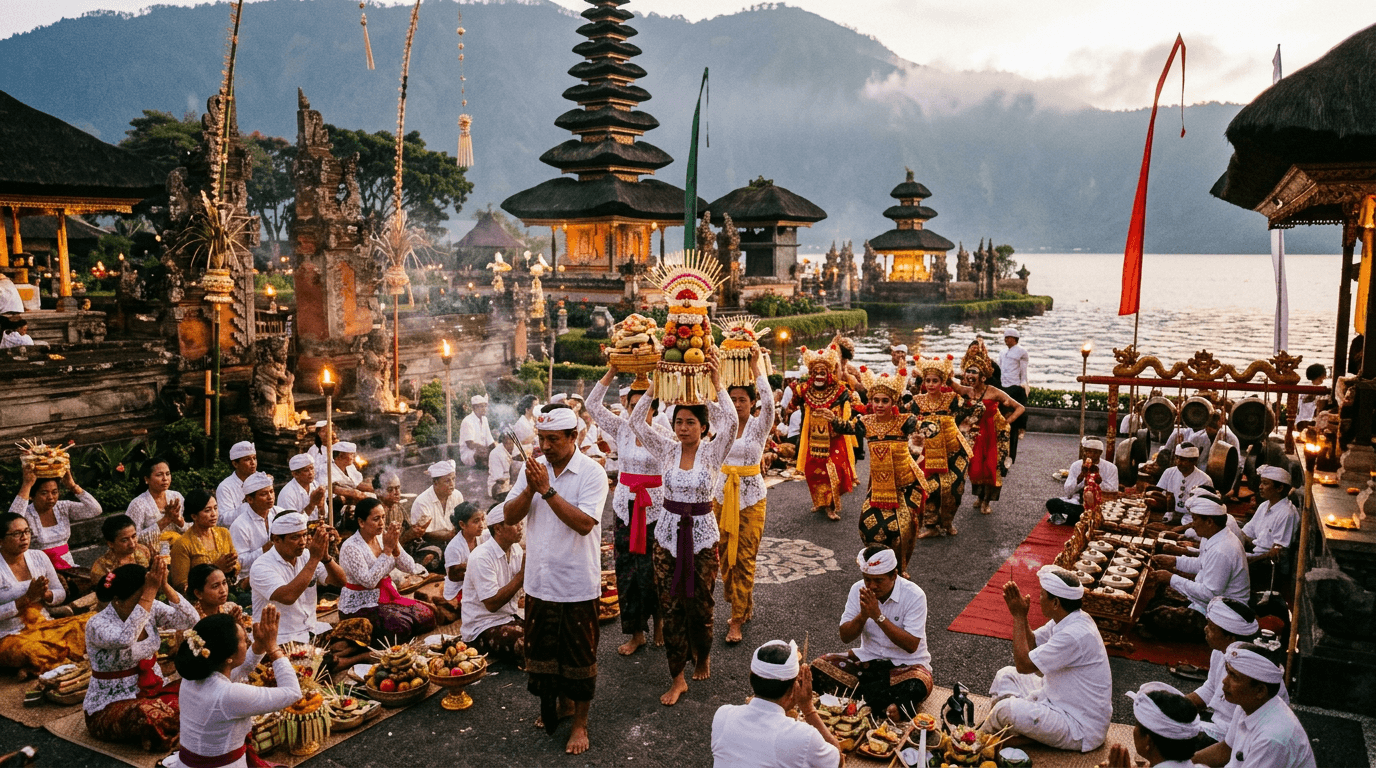
Dance in Bali is not entertainment dressed up as culture; it is culture itself, a living form of prayer, storytelling and offering. Many dances began as sacred rituals performed in temple courtyards, and even the versions staged for visitors carry that spiritual weight. Watching a performance, with its hypnotic gamelan music, darting eyes and impossibly precise movements, is one of the most memorable experiences Bali offers. Here are eight you should not miss.
The Living Art of Balinese Dance
Every gesture in Balinese dance is deliberate, from the flicker of the fingers to the sudden flash of the eyes. Dancers train from childhood, and the music, played on the bronze percussion orchestra called the gamelan, drives and answers their movements in a tight, dramatic dialogue. The result is an art form that feels at once disciplined and electrifying.
1. Kecak — the Fire and Chant Dance
Perhaps Bali's most famous performance, the Kecak features a circle of dozens of men chanting a rhythmic chak-chak-chak in place of an orchestra. The hypnotic sound accompanies scenes from the Ramayana epic, often climaxing with fire. Performed at sunset against the cliffs of Uluwatu, it is unforgettable theater.
2. Legong — the Dance of Celestial Maidens
Legong is the epitome of refined Balinese dance, traditionally performed by young girls in elaborate gold costumes. Every movement is exquisitely controlled, from the trembling fingers to the rapid, expressive eyes. Graceful and intricate, it tells classical stories through pure, polished movement.
3. Barong — the Battle of Good and Evil
The Barong dance dramatizes the eternal struggle between order and chaos. The Barong, a benevolent lion-like creature operated by two performers, faces off against Rangda, the fearsome demon queen. Rich in symbolism, the performance embodies the Balinese belief in maintaining balance rather than eliminating evil entirely.
4. Topeng — the Masked Dance
In Topeng, a solo or small group of dancers wear carved masks to portray kings, ministers, servants and clowns, bringing historical and mythological characters to life. The masks are considered sacred objects, and skilled performers must convey emotion and status entirely through posture and movement, since their faces are hidden.
5. Baris — the Warrior Dance
Baris is a vigorous solo dance depicting a young warrior preparing for battle. It showcases masculine strength and courage through powerful poses, quivering movements and intense facial expressions. Originally a temple offering, it tests a dancer's stamina and control, demanding both ferocity and precision.
6. Pendet — the Welcome Dance
Once a purely devotional dance performed to welcome the gods into a temple, Pendet is now often used to greet guests at the start of a performance. Dancers carry bowls of flower petals, which they scatter as a gesture of welcome and blessing. It is gentle, gracious and deeply rooted in ritual.
7. Sanghyang — the Trance Dance
Among the most spiritual of all Balinese dances, the Sanghyang is a sacred trance ritual believed to invite divine spirits to inhabit the dancers, traditionally performed to protect a village from illness and misfortune. In some forms, entranced performers dance through fire seemingly unharmed. Because of its sacred nature, it is treated with particular respect.
8. Joged Bumbung — the Social Bamboo Dance
Lighter and more playful than the temple dances, Joged Bumbung is a social folk dance accompanied by a bamboo gamelan. A female dancer typically invites members of the audience to join her, making it joyful and interactive. It offers a warm, accessible glimpse of Bali's communal spirit.
Where and How to Watch
Ubud is the cultural heart for nightly performances, while the Uluwatu temple is the iconic setting for sunset Kecak. Many shows take place in temple courtyards and palaces, lending real atmosphere. Dress modestly, arrive early for a good seat, and remember that even ticketed performances may be tied to a sacred context, so watch quietly and respectfully. Choosing performances run by local communities helps keep these extraordinary traditions alive.