 MyGlob Editorial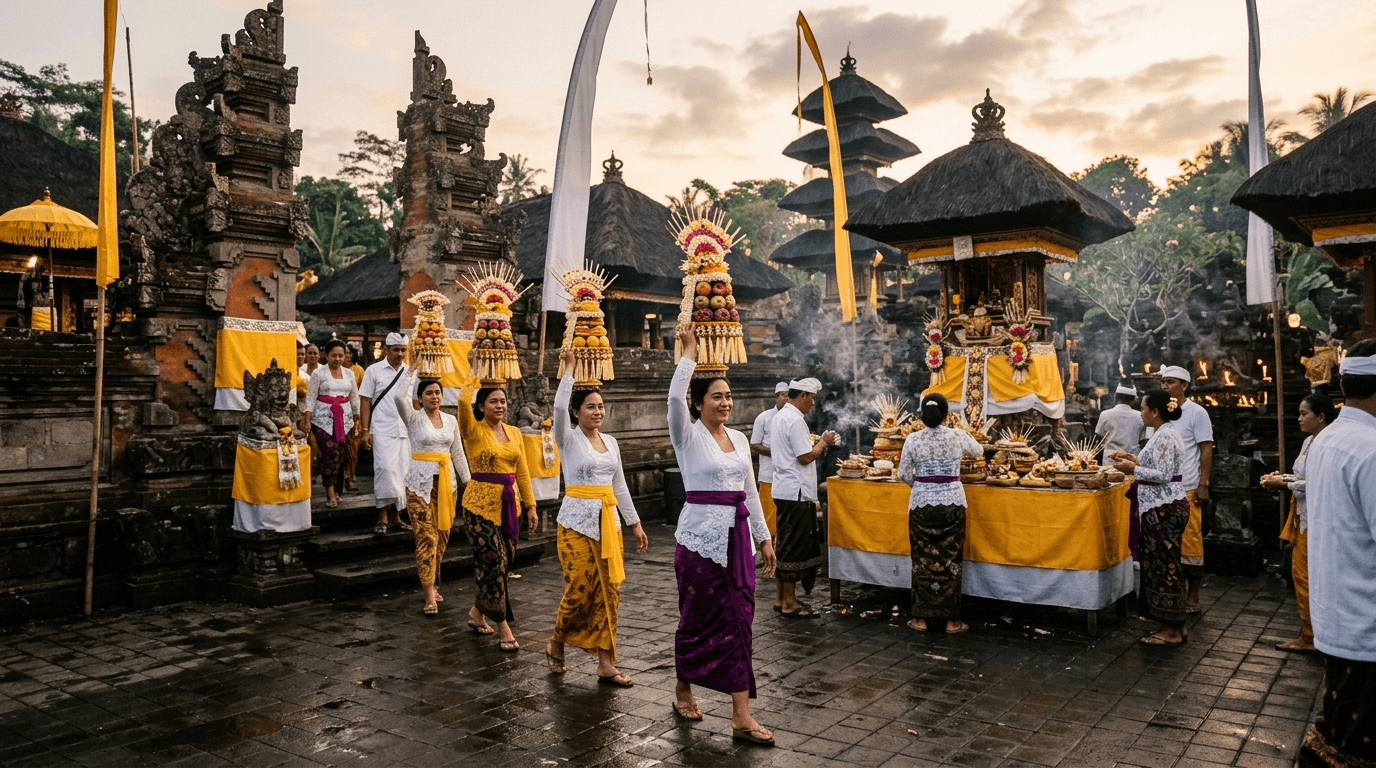
Imagine an entire island falling completely silent. The airport closes, roads empty, shops shutter, lights go dark, and even conversation drops to a whisper. This is Nyepi, the Balinese Day of Silence and the start of the Saka New Year, and it is unlike any holiday anywhere else in the world. For visitors it can be daunting at first, but with a little planning Nyepi often becomes the single most memorable day of a Bali trip.
When Is Nyepi 2026?
Nyepi falls once a year, in March, around the spring equinox, on the day after the new moon that opens the Saka calendar year. Because the date is set by the lunar calendar it shifts slightly each year, so always confirm the exact 2026 date from official Indonesian or Balinese sources before booking flights or accommodation. The silence runs for a full 24 hours, typically from 6am to 6am the following day.
What Nyepi Actually Is
Nyepi marks the Balinese New Year and is dedicated to self-reflection, fasting, meditation and spiritual renewal. The day rests on four restraints known as the Catur Brata Penyepian: amati geni (no fire or light, including electricity where possible), amati karya (no work), amati lelungan (no travel or going out), and amati lelanguan (no entertainment or indulgence). The idea is that, finding the island dark, quiet and lifeless, any lingering evil spirits will believe Bali is deserted and move on, leaving it purified for the new year.
The Days Around Nyepi
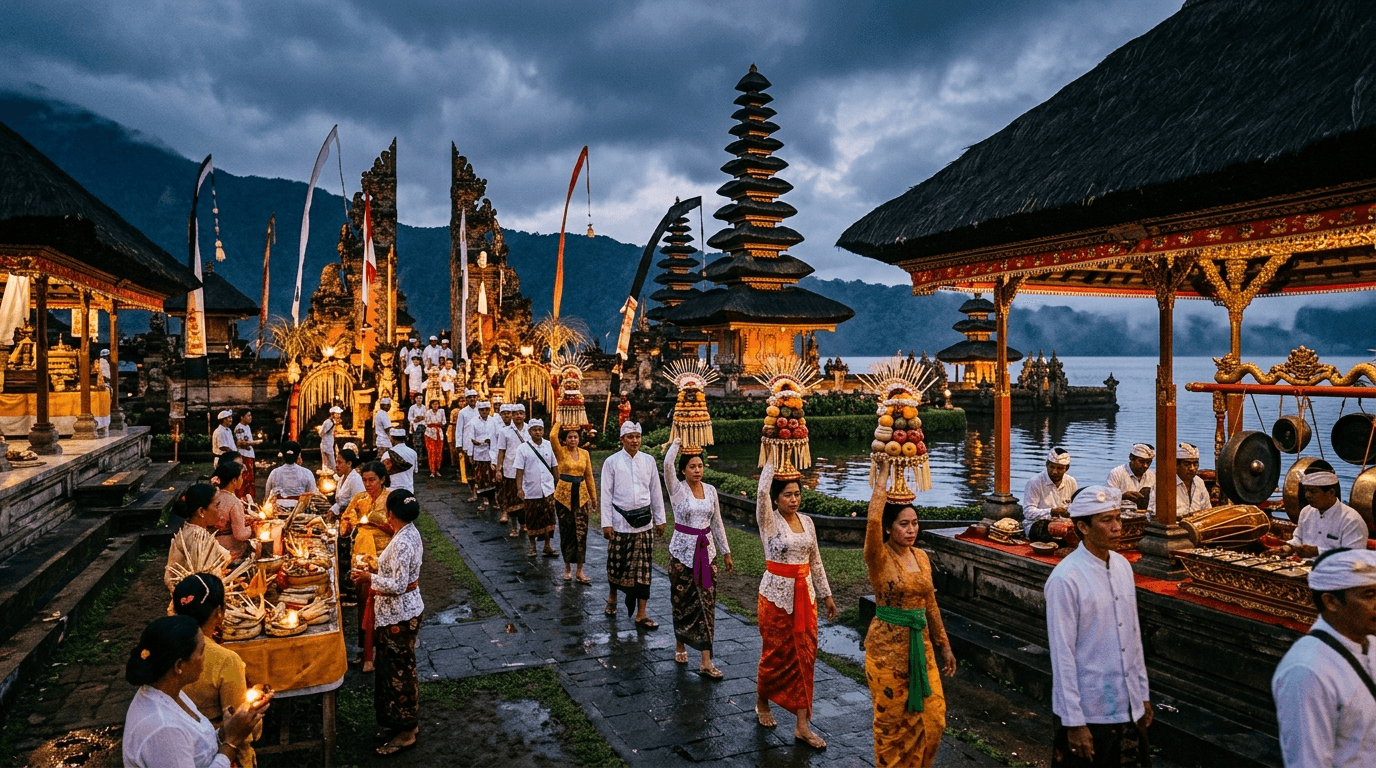
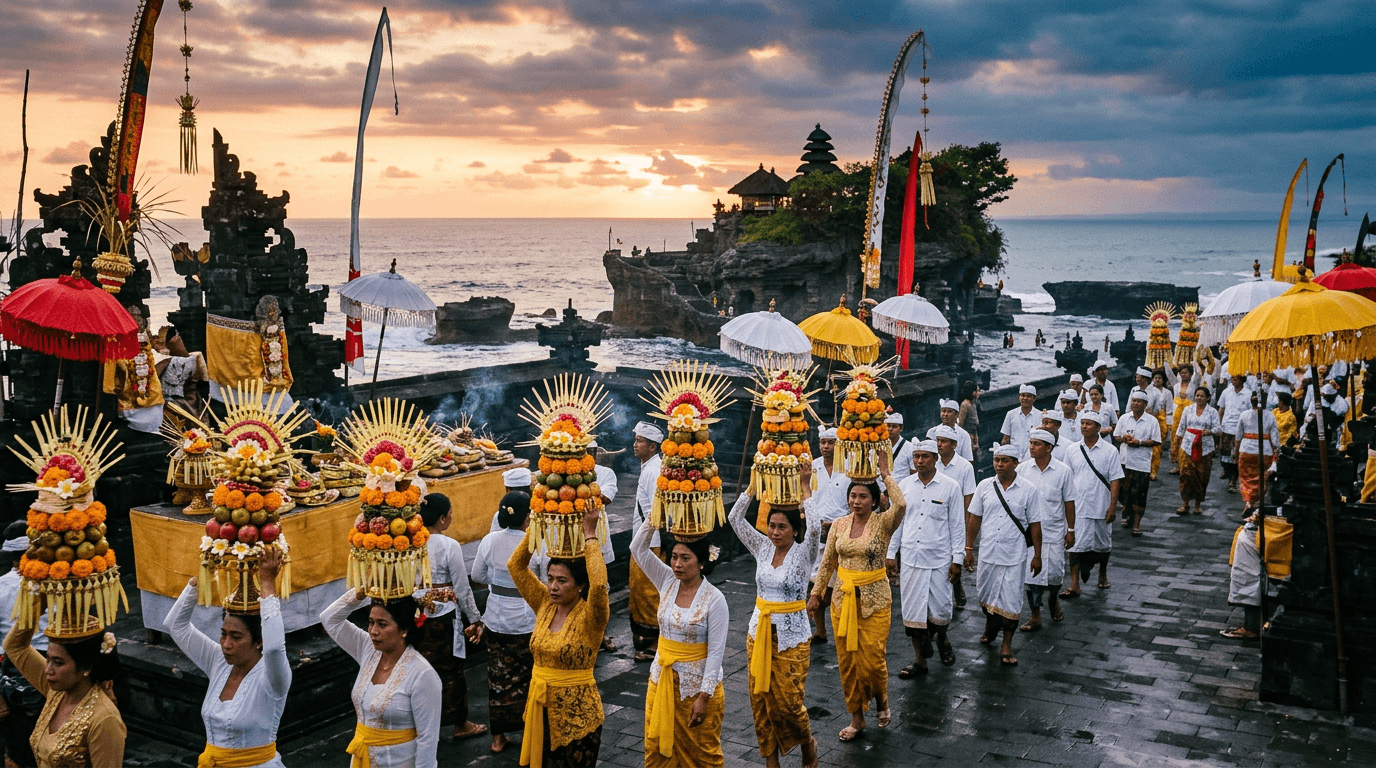
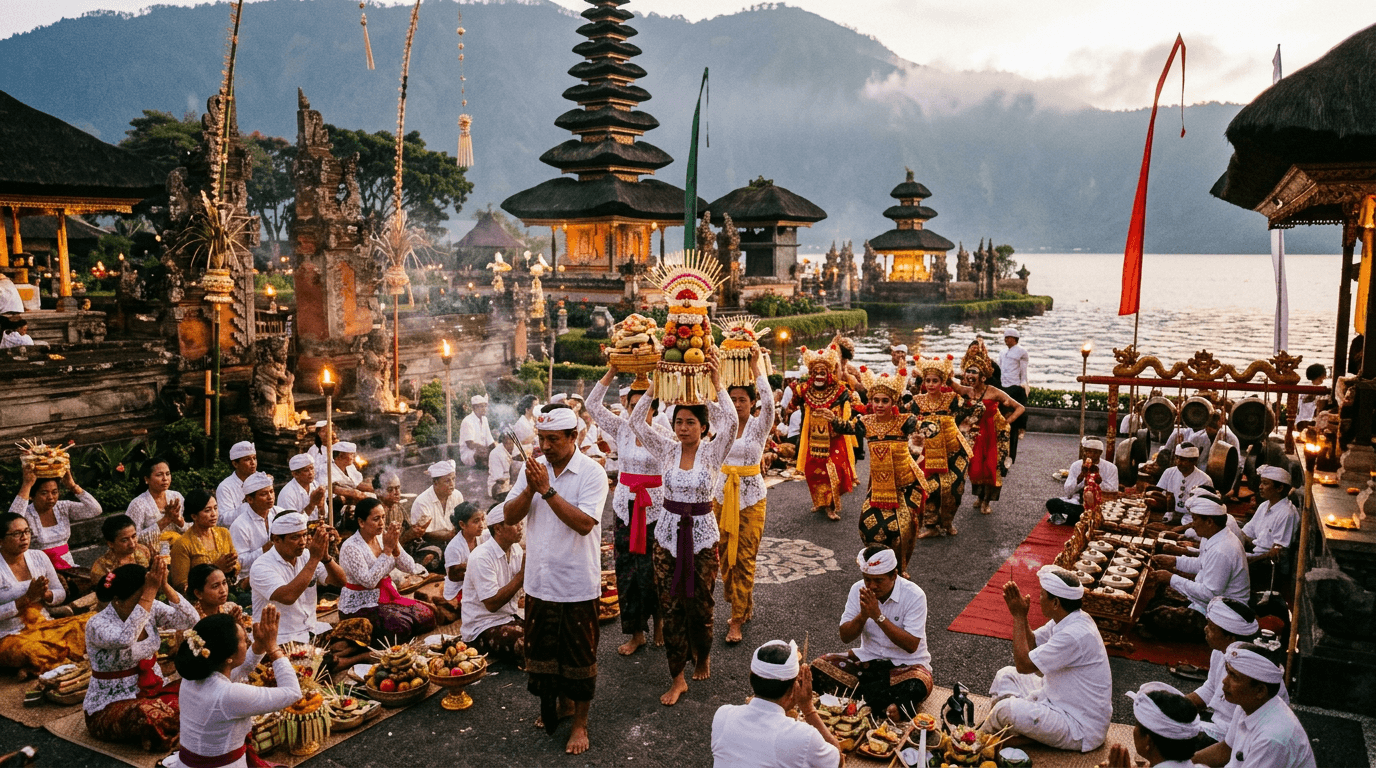
Nyepi is the still centre of a multi-day cycle, and the days surrounding it are full of spectacle. Knowing the sequence helps you plan and ensures you do not miss the celebrations that frame the silence.
- Melasti: a few days before, villages carry sacred objects to the sea for purification.
- Tawur Kesanga / Pengrupukan: the day before, with offerings and exorcism rituals.
- Ogoh-ogoh parade: the night before, giant demon effigies are paraded and burned.
- Nyepi: the 24 hours of total silence and stillness.
- Ngembak Geni: the day after, when normal life resumes and families visit one another.
The Ogoh-ogoh: Bali's Wildest Night
The evening before Nyepi delivers an explosion of energy that makes the silence to come even more striking. Communities spend weeks building ogoh-ogoh: towering, fearsome papier-mache monsters representing negative forces and demons. After dark these creations are hoisted onto bamboo platforms and paraded through the streets with torches, clashing gamelan and chanting crowds, shaken and spun to confuse and gather up evil spirits. The night usually ends with the effigies being symbolically destroyed or burned, cleansing the community before the new year begins.
What This Means for Tourists
The rules of Nyepi apply to everyone on the island, visitors included, though hotels make accommodation as comfortable as possible. The key points are simple but strict, and local security volunteers called pecalang patrol to enforce them.
- You must stay inside your hotel or accommodation for the full 24 hours; you cannot go out onto the streets or beaches.
- The airport is closed completely, so no flights arrive or depart; plan travel around this.
- Keep noise to a minimum and use curtains so light does not spill outside after dark.
- Most shops, restaurants and attractions are closed, though hotels continue to serve their guests.
- Internet and mobile data are often restricted across the island during Nyepi.
How to Prepare and Make the Most of It
A little forethought turns Nyepi from an inconvenience into a highlight. Choose accommodation with comfortable rooms and on-site dining, since you will not be leaving. Stock up on snacks, drinks, books, games and anything else you might want, as you cannot buy supplies on the day. Charge your devices in advance and download entertainment, given that connectivity may be cut.
Then, rather than resisting the stillness, lean into it. Many travellers find Nyepi deeply restful: a forced digital detox, slow meals, long conversations, and a rare chance to do nothing at all. The greatest reward comes after dark. With the island's lights extinguished and the air free of traffic, the night sky over Bali blazes with stars in a way that is simply impossible on any ordinary night. Stepping onto your balcony to a sky full of stars and total silence is, for many, the unforgettable image they carry home.
Nyepi asks something unusual of a visitor: to stop, to be quiet, to do nothing. Embrace it, and you will experience a side of Bali, contemplative, communal and profound, that the beach clubs and busy streets never reveal.