 MyGlob Editorial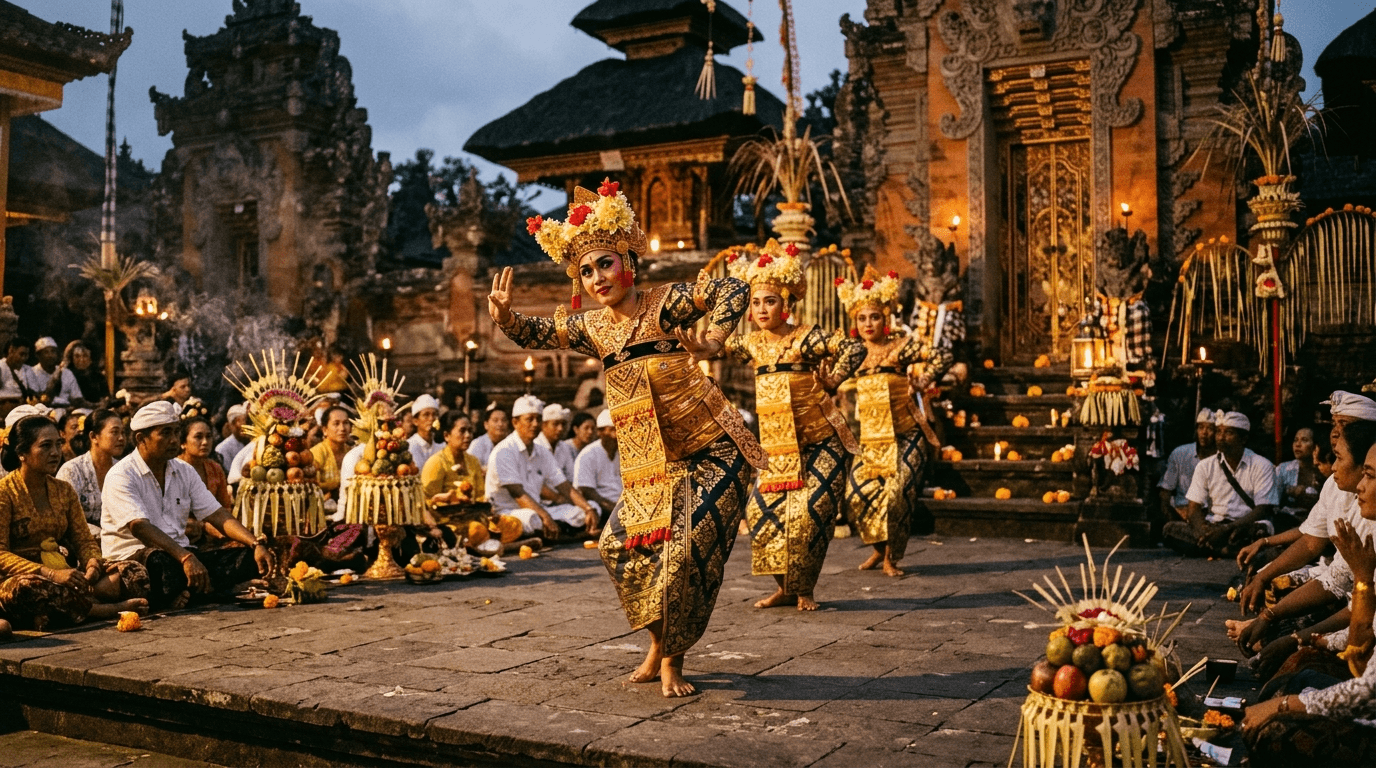
Close your eyes anywhere in Bali and the island reveals itself through scent: incense, salt air and, above all, the sweet, creamy perfume of frangipani. Known locally as jepun, the frangipani is everywhere here, tucked behind ears, floating in offering bowls, scattered across temple steps and steeped into spa oils. Few flowers are so completely bound up with the identity of a place. To understand frangipani is to understand a little of how the Balinese see beauty, devotion and daily life as a single, fragrant whole.
Meet the Frangipani
Frangipani belongs to the genus Plumeria, a group of small trees and shrubs originally native to the tropical Americas that has spread across the warm regions of the world. In Bali they thrive effortlessly, growing into characterful, gnarled trees with thick, almost sculptural branches and broad, leathery leaves. The flowers themselves have five overlapping waxy petals, usually arranged in a gentle pinwheel, in shades of white and yellow, deep pink, red and soft apricot. Their fragrance is strongest in the evening, when the trees release their perfume to attract pollinating moths.
Why the Balinese Call It Jepun
In Balinese the flower is jepun, and you will see and hear the word constantly. Frangipani trees are deliberately planted in and around temples, family compounds and public spaces, where their fallen blossoms are gathered for offerings. Walk into almost any temple courtyard and you will find frangipani trees shading the shrines, their petals carpeting the ground, a sight and smell that has become inseparable from the idea of sacred space in Bali.
A Flower of Offerings and Worship
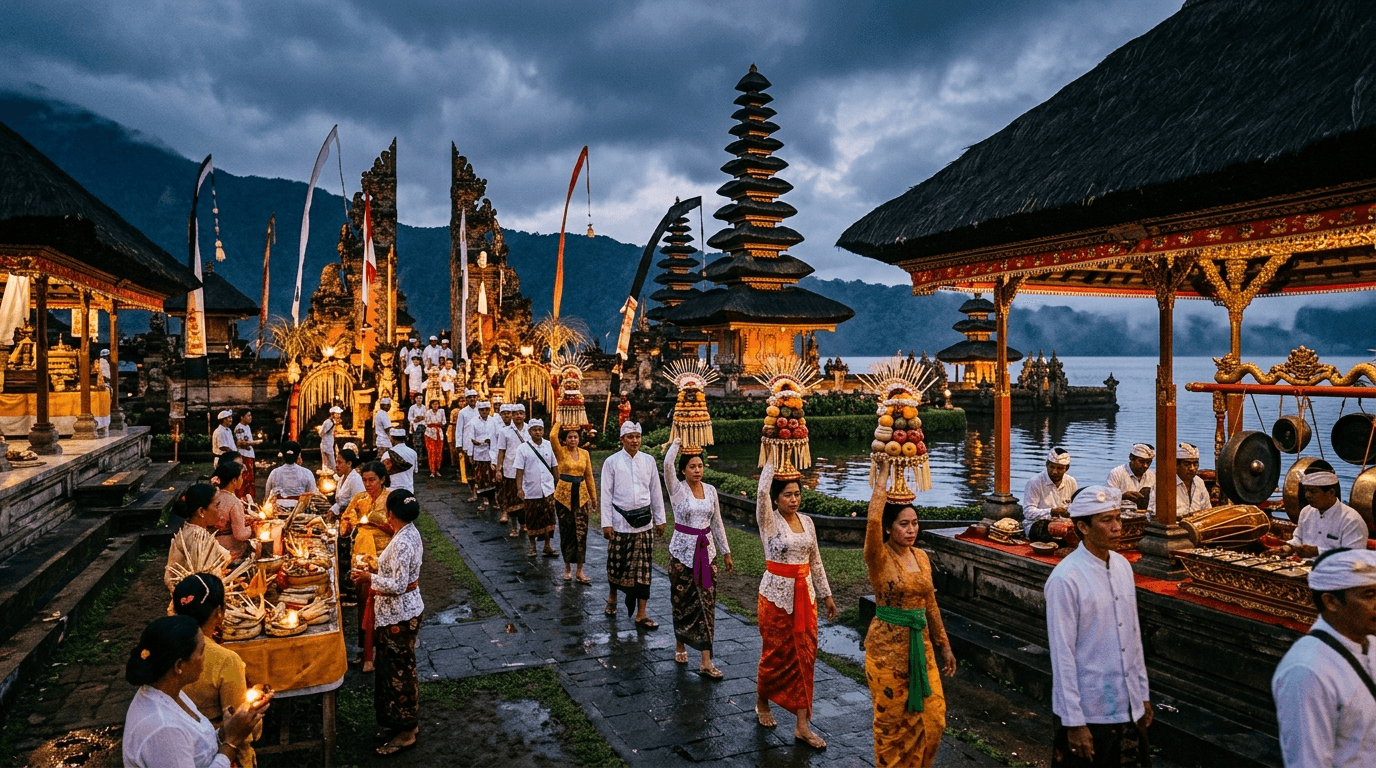
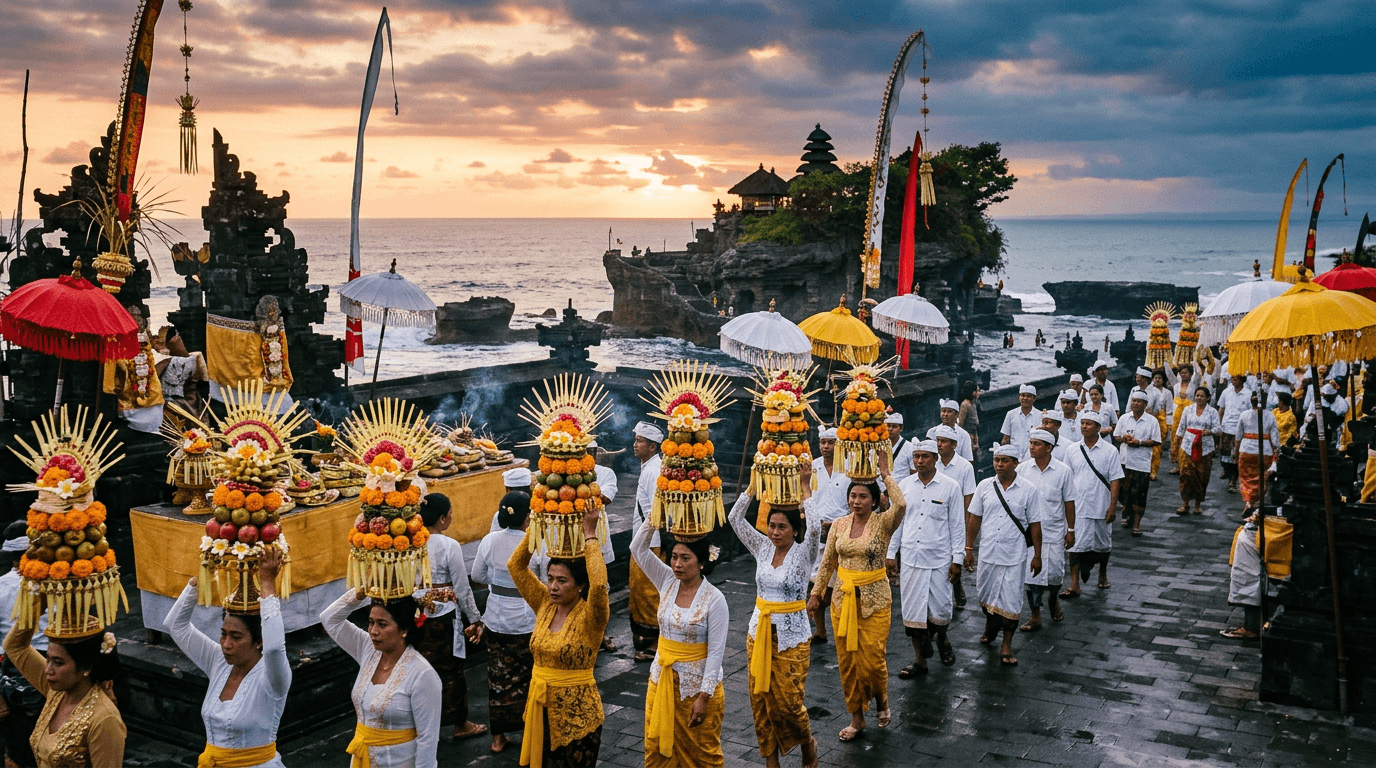
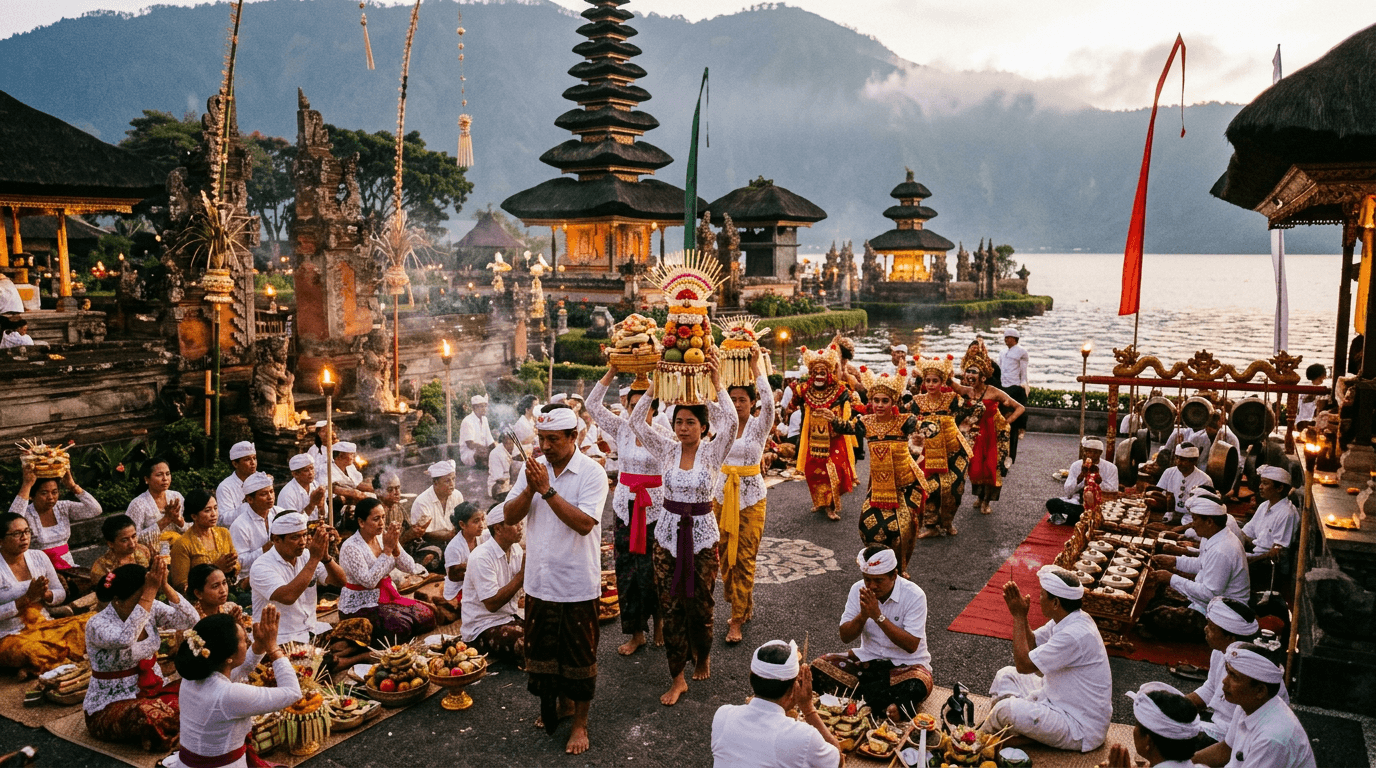
Frangipani plays a central role in Balinese Hindu ritual. The flowers appear in the canang sari, the small daily offerings of woven palm leaf filled with petals, rice and incense that you will see placed on the ground, on shrines and at shop entrances each morning. During prayer, worshippers often hold a frangipani blossom between their fingertips, raising it to the forehead as they pray and then tucking it behind the ear afterward.
- Placed in daily canang sari offerings as a symbol of devotion and beauty.
- Held during prayer and offered to the gods at temple ceremonies.
- Tucked behind the ear by both worshippers and dancers.
- Strung into garlands and scattered to decorate temples during festivals.
The Signature Scent of Balinese Spas
If the temples gave frangipani its spiritual meaning, Bali's renowned wellness culture made it famous to the wider world. The flower's warm, sweet perfume is one of the defining scents of the Balinese spa experience, used in massage oils, soaps, bath petals and aromatherapy. Lie down for a traditional massage in Ubud or Seminyak and you will very likely find a frangipani blossom waiting on your pillow and its fragrance lingering in the oil. The flower has become a kind of olfactory shorthand for relaxation and tropical luxury.
Frangipani in Symbolism and Everyday Beauty
Beyond ritual and spa, frangipani is simply part of how Bali presents itself. The blossoms decorate hotel lobbies floating in bowls of water, welcome guests laid across folded towels, and crown the hair of temple dancers in their gilded costumes. The flower is associated with grace, devotion and a kind of serene, enduring beauty; the trees can flower abundantly even when they look bare and twisted, a quiet reminder that beauty persists. For many travellers, the image of a single frangipani floating in clear water becomes the lasting symbol of their time on the island.
Seeing and Enjoying Frangipani Respectfully
You will not have to look for frangipani in Bali; it will find you, in temple courtyards, hotel gardens, roadside trees and spa rooms across the island. As you enjoy it, keep in mind that flowers placed in offerings or on shrines are part of active worship, so admire them where they lie rather than removing them. If you would like a blossom of your own, plenty fall naturally to the ground, and these are perfectly fine to pick up. Tuck one behind your ear as the Balinese do, breathe in that unmistakable sweetness, and you will carry a small piece of the island's soul with you.