 MyGlob Editorial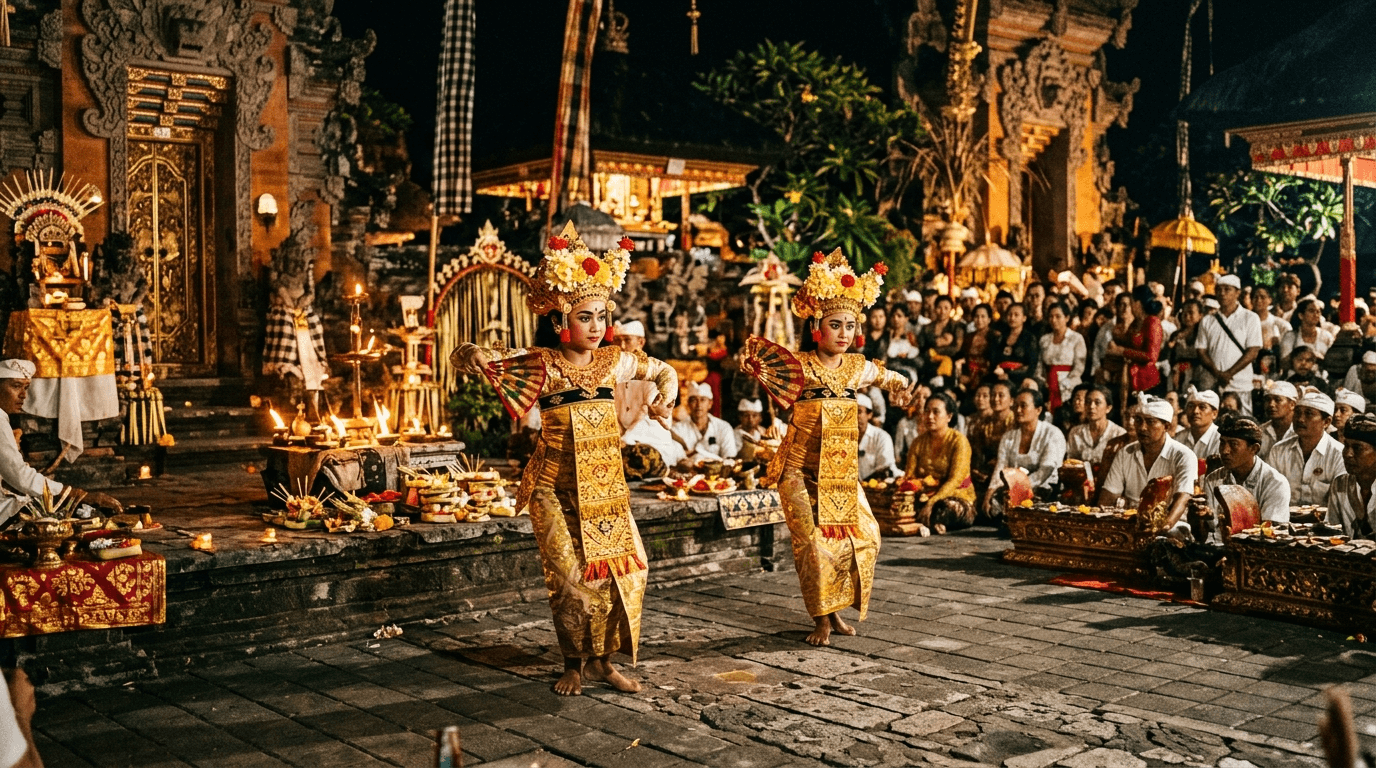
To understand Bali, you have to understand its stories. The island's spiritual life is woven from a tapestry of Hindu epics, animist beliefs and local folklore, and these legends are far from museum pieces. They are alive in the offerings on the pavement, the masks in the dances, and the way Balinese people think about balance, fortune and protection. Here is an introduction to some of the local legends that continue to shape life on the island today.
Barong and Rangda: the eternal balance
The most famous of all Balinese legends is the cosmic struggle between Barong and Rangda. Barong, often depicted as a lion-like creature with a flowing mane, represents good and protective forces. Rangda, the fearsome demon queen with bulging eyes and a long tongue, embodies chaos and dark magic.
Their endless battle, performed in the famous Barong dance, never produces a final winner. That's the point: Balinese philosophy is built on the idea of harmony between opposing forces rather than the triumph of one over the other. Good and evil must coexist to keep the universe in balance, a concept known as Rwa Bhineda.
The leyak: Bali's shape-shifting spirits
Whispered about across the island, leyak are said to be practitioners of black magic who can transform into animals or floating, fiery heads at night to seek out the vulnerable. Stories of leyak are taken seriously enough that many Balinese take protective measures, from blessings to carefully placed offerings.
Whether or not you believe, the legend reveals something real about Balinese culture: a deep awareness of unseen forces, and a constant effort to keep them in balance through ritual and respect.
Dewi Danu: goddess of the lakes
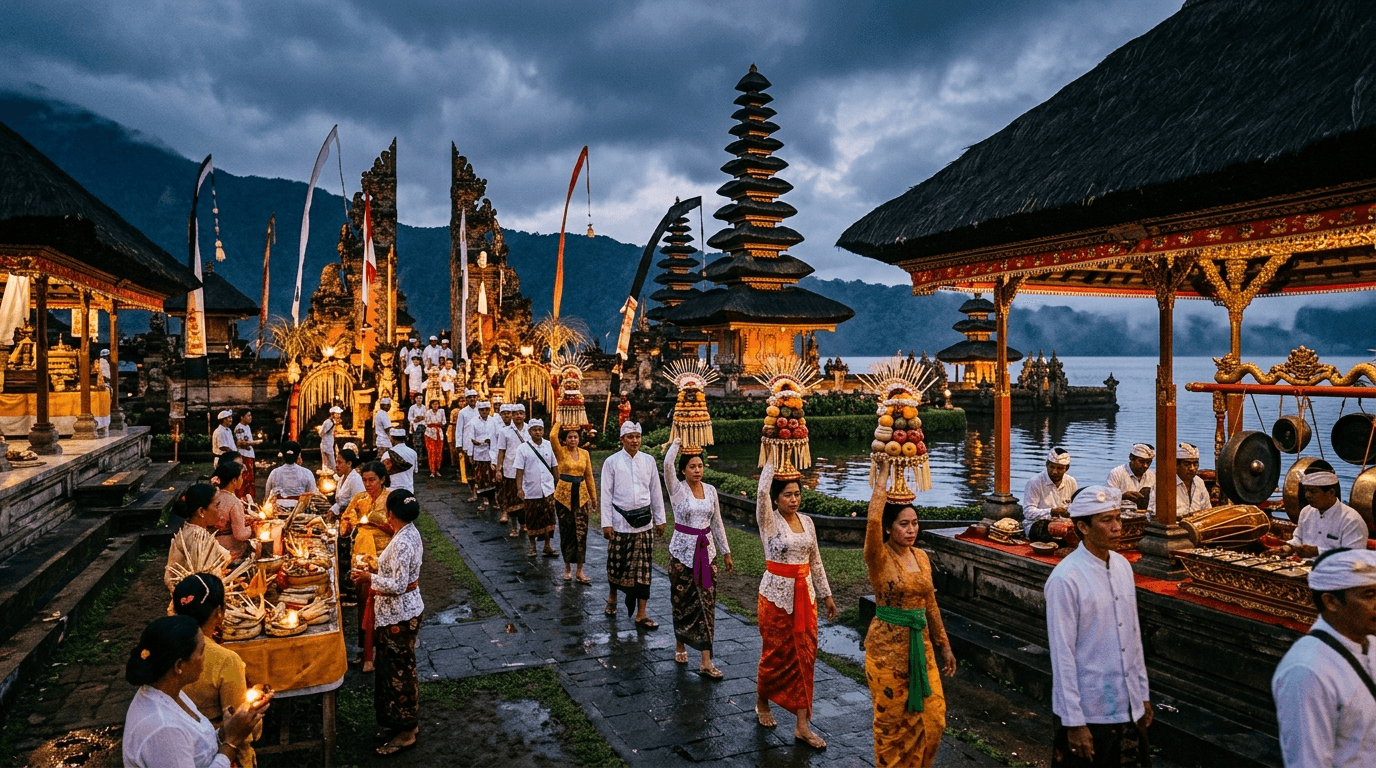
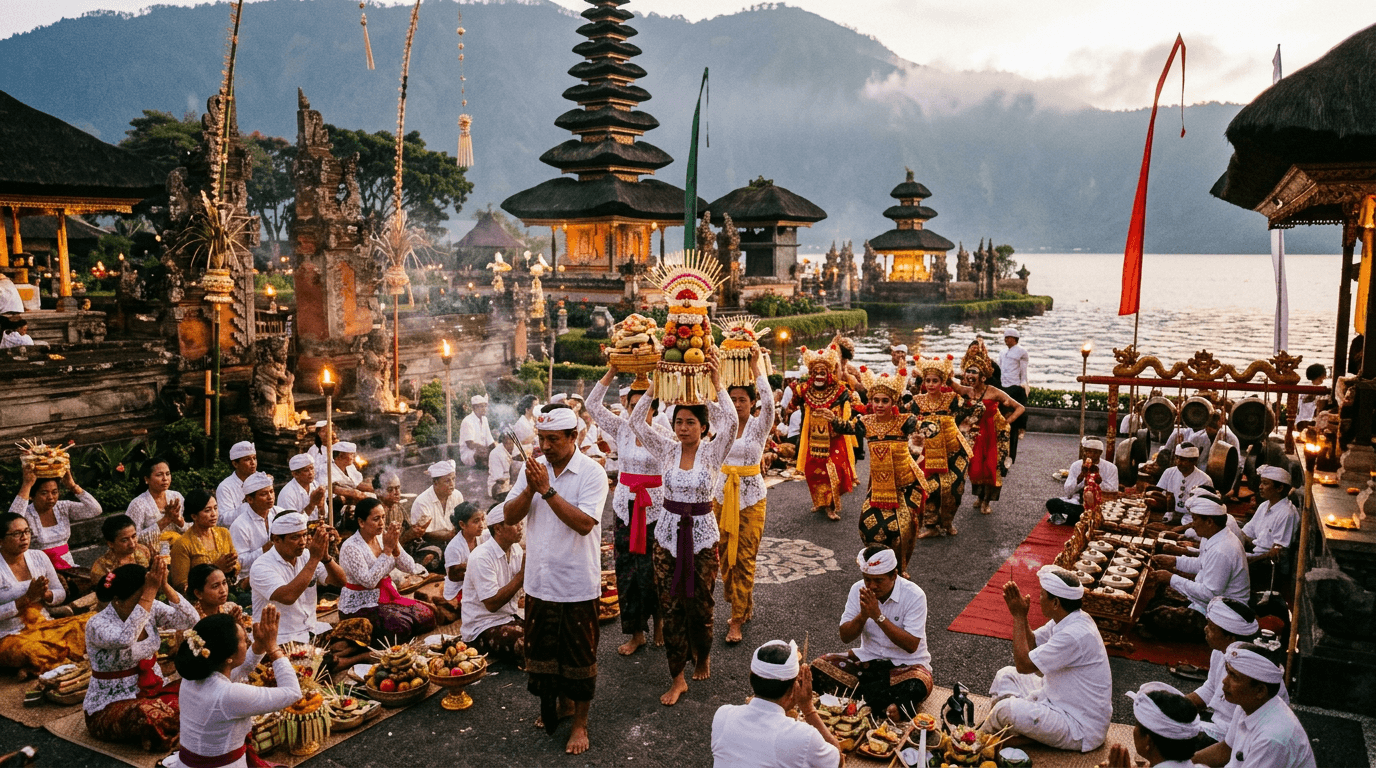
Water is sacred in Bali, and Dewi Danu is the goddess of the crater lakes that feed the island's intricate irrigation system. She is honoured at the iconic lakeside temple of Ulun Danu Beratan, one of the island's most photographed sites.
Her legend underpins the subak system, the cooperative, temple-linked way Balinese farmers share water for their rice terraces. It's a beautiful example of how myth and practical life are inseparable here, a connection recognised by UNESCO.
The legend of Kebo Iwa, the gentle giant
Folk tales tell of Kebo Iwa, a giant of immense strength credited with carving temples, water channels and rock formations across the island with his bare hands. Some sites, like the cliffside Gunung Kawi shrines, are popularly linked to his feats.
His story blends history and myth, reminding visitors that many of Bali's ancient monuments carry layers of legend alongside their archaeological facts.
Sea spirits and the southern ocean
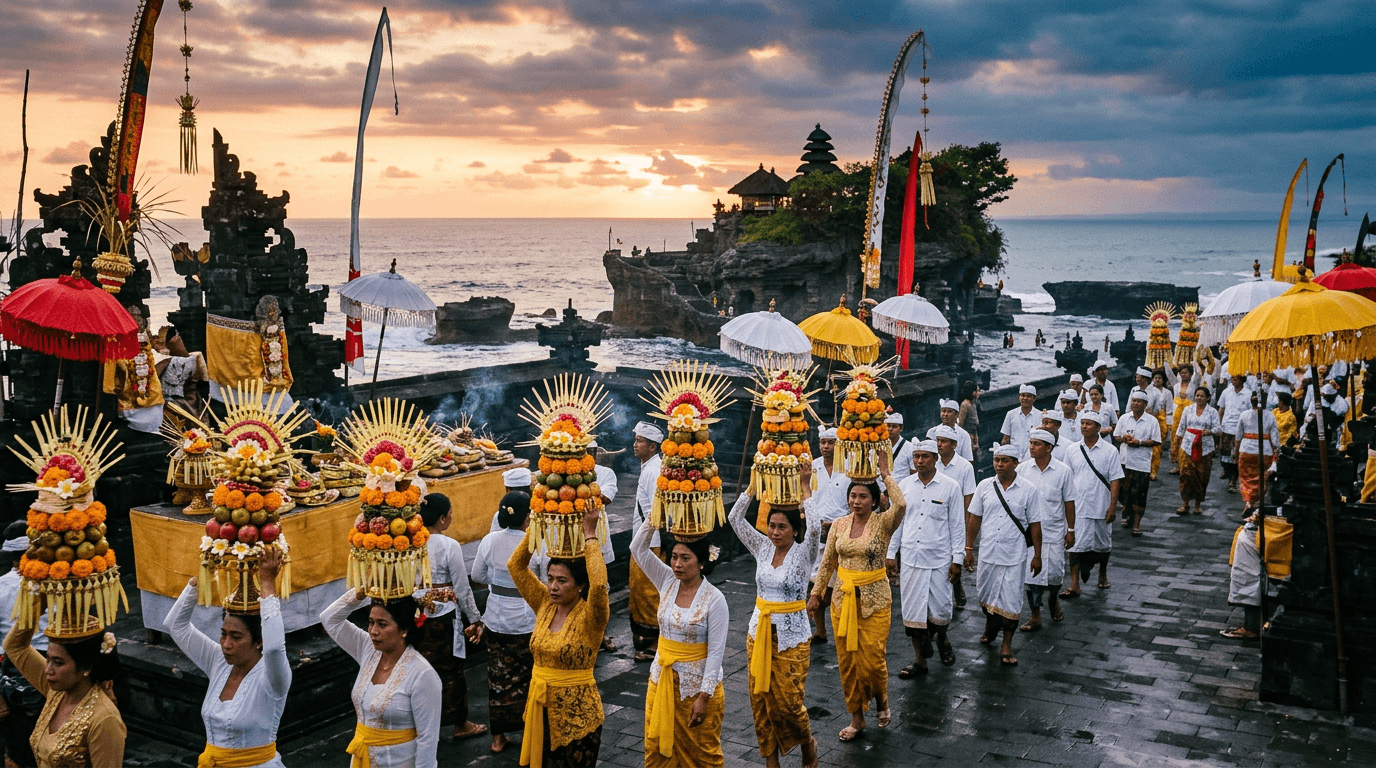
The wild waters off Bali's south coast are tied to powerful sea legends, and the relationship between the Balinese and the ocean is one of respect rather than play. Ceremonies and offerings are regularly made to honour and appease the spirits of the sea.
This is why you'll often see offerings on the beach and why some stretches of coast are considered spiritually significant rather than simply scenic.
How to experience the legends respectfully
You don't need to believe in leyak to appreciate how profoundly these stories shape Bali. The best way to encounter them is through traditional performances and temple ceremonies, approached with genuine respect.
- Watch a Barong or Kecak dance, ideally in a village setting.
- Dress modestly and wear a sash when visiting temples.
- Never step on or over the small daily offerings on the ground.
- Ask permission before photographing ceremonies.
Why the legends still matter
Bali's legends are not folklore frozen in the past. They are a living framework that explains why the island feels so distinct: the constant offerings, the elaborate ceremonies, the sense that every place has its guardian spirit. Learning a few of these stories transforms a holiday into a genuine encounter with one of the world's most spiritually vivid cultures.