 MyGlob Editorial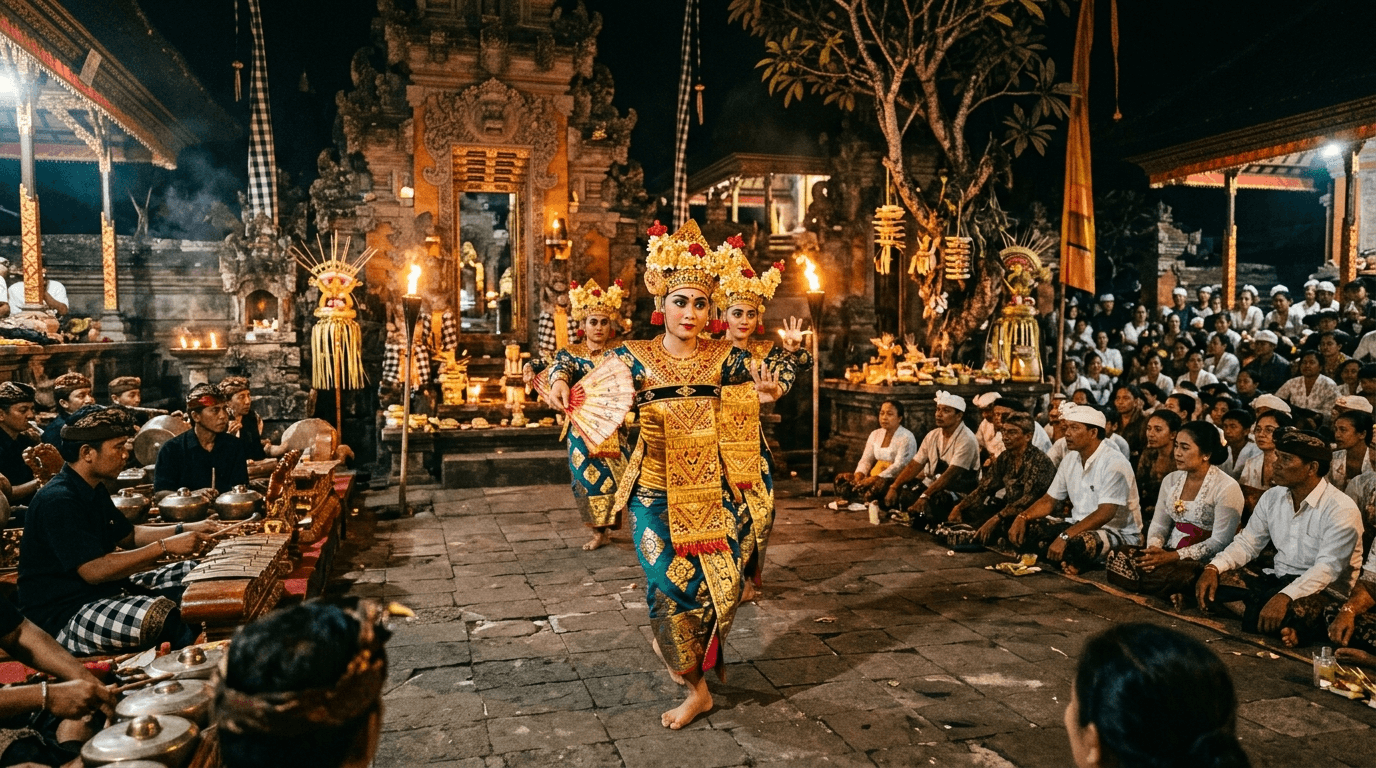
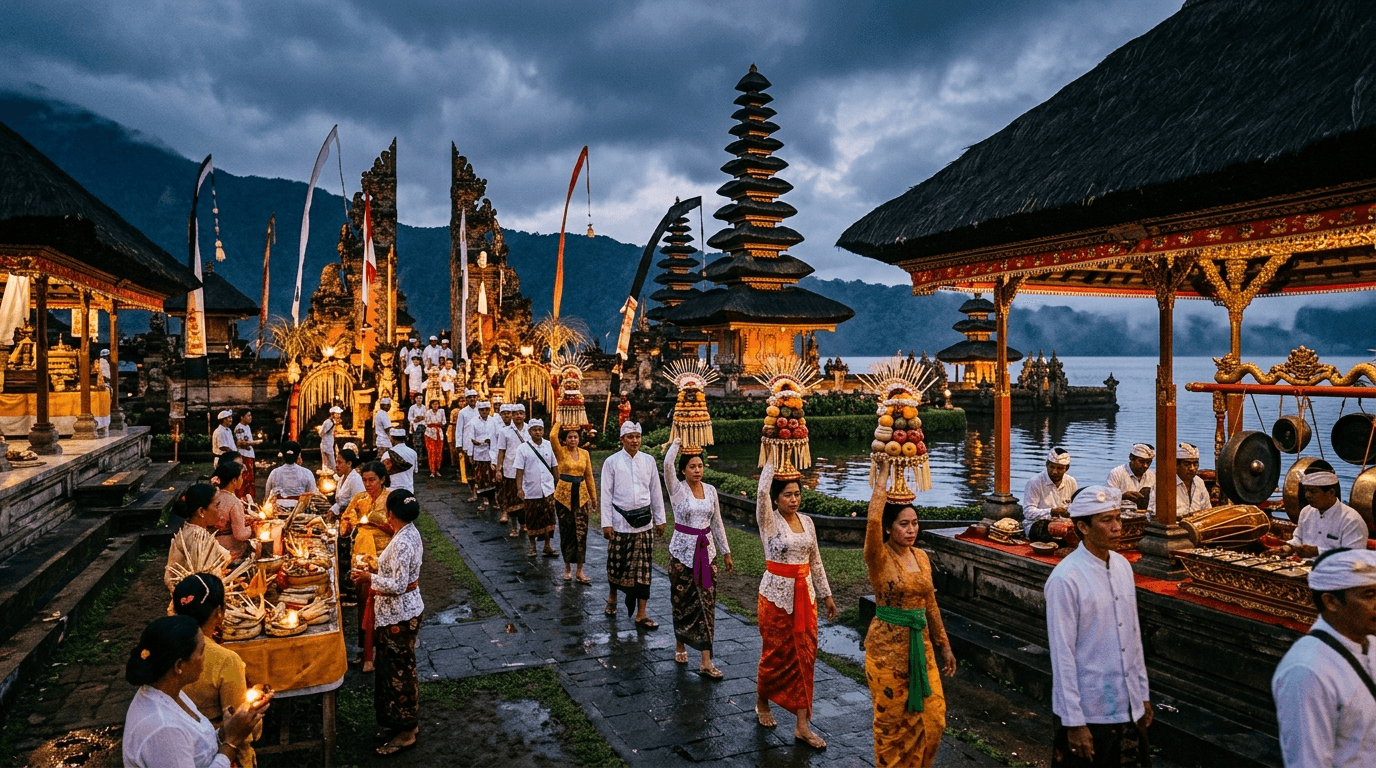
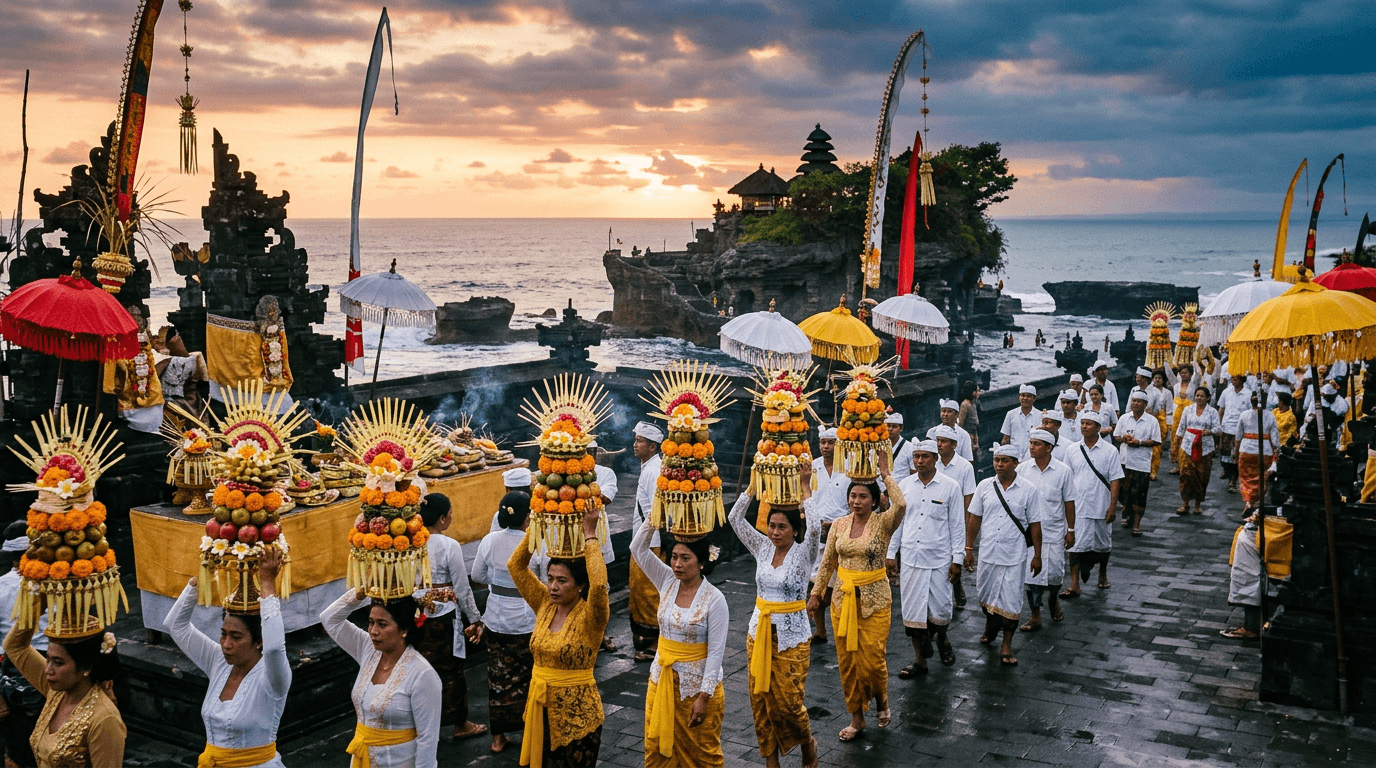
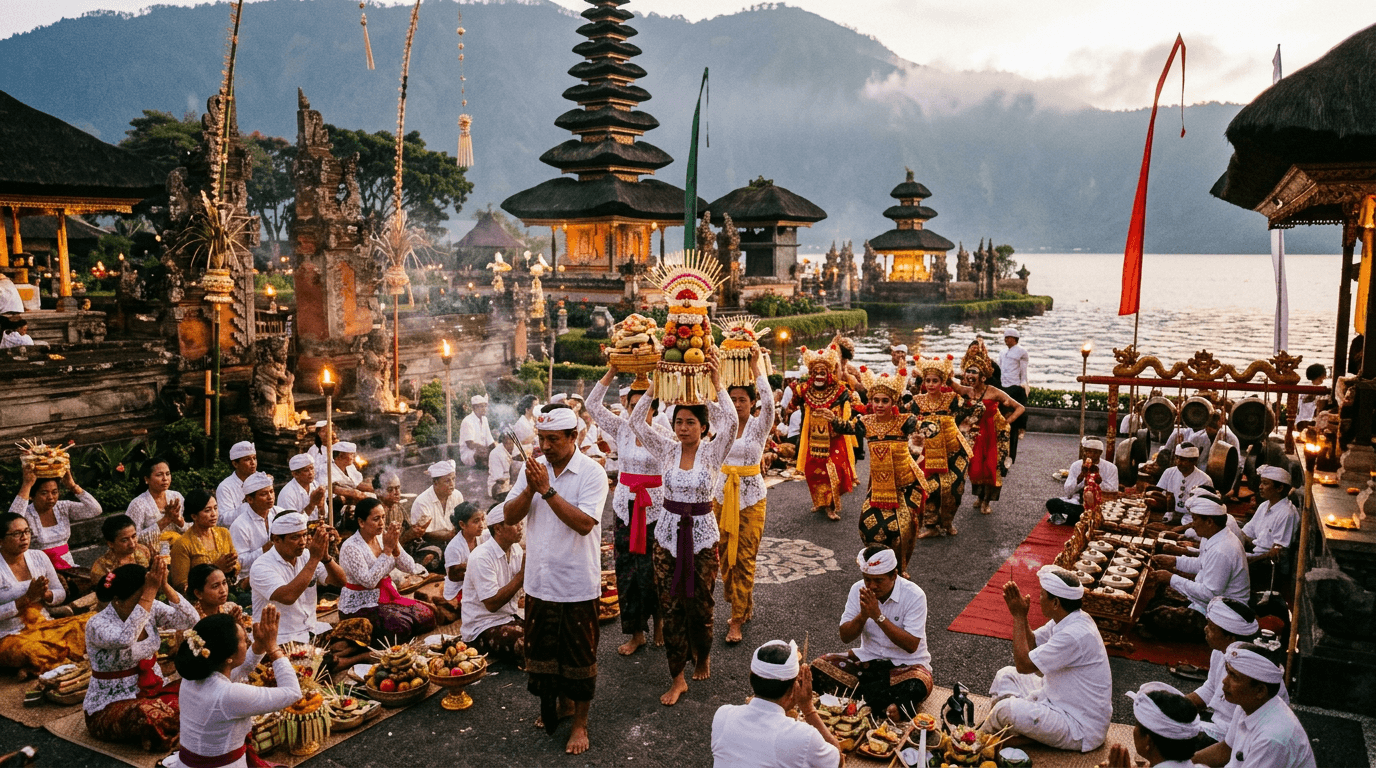
Bali is sometimes called the island of a thousand temples, and with so many temples comes a near-constant rhythm of ceremony. Festivals are not occasional events here; they are the pulse of daily life, governed by sacred calendars and marked by offerings, processions and music. For travellers, timing a visit to coincide with a festival can transform a holiday into something unforgettable. This guide introduces the most significant religious festivals and cultural events that animate the Balinese year.
How the Balinese Calendar Works
Many Balinese festivals do not fall on fixed Western dates. The island follows two traditional systems: the 210-day pawukon calendar, which governs festivals such as Galungan and Kuningan, and the lunar saka calendar, which determines Nyepi. Because these cycles differ from the Gregorian year, festival dates shift annually. Always check a current Balinese calendar before planning a trip around a specific celebration.
Nyepi: The Day of Silence
Nyepi, the Balinese New Year, is the island's most extraordinary observance. For 24 hours Bali falls completely silent: no work, no travel, no lights, no entertainment, and even the airport closes. The day is for reflection and self-restraint. The evening before, towering papier-mache demon effigies called ogoh-ogoh are paraded through the streets in a riot of noise and fire before being burned to drive away evil spirits. Visitors are expected to remain quietly in their accommodation during the day of silence itself.
Galungan and Kuningan
Galungan celebrates the victory of good over evil and the return of ancestral spirits to family homes. The streets fill with towering, decorated bamboo poles called penjor, and families dress in their finest to pray at temple. Ten days later, Kuningan closes the celebration as the spirits are believed to return to the heavens. Together these form one of the most visually beautiful and spiritually significant periods in the Balinese year.
Temple Anniversaries and Major Religious Events
- Odalan: every temple holds an anniversary festival on its own cycle, filling the grounds with offerings, music and prayer.
- Saraswati: a day honouring the goddess of knowledge, when books and sacred texts are blessed.
- Pagerwesi: a day of spiritual fortification and protection of the inner self.
- Tumpek days: a series of observances giving thanks for tools, plants, animals and more.
Cultural Events and Festivals
Beyond purely religious observances, Bali hosts vibrant cultural and arts events. The Bali Arts Festival, typically held over several weeks around the middle of the year in Denpasar, showcases traditional dance, music and crafts from across the island. The Sanur Village Festival celebrates community and the arts, and the Bali Kite Festival fills the skies above Sanur with enormous traditional kites flown in friendly competition. The Ubud Writers and Readers Festival draws an international literary crowd each year. Dates vary, so confirm them on official festival channels before planning.
Tips for Experiencing Bali's Festivals
To enjoy festivals respectfully, dress modestly with a sarong and sash at temples, follow the lead of local attendants and stay at the edges of ceremonies rather than in the middle of worship. Ask before photographing people in prayer, keep your voice low and never stand in front of someone who is praying. Remember that during major festivals, especially Nyepi and Galungan, many businesses close and transport can be limited, so plan and book ahead. Approached with sensitivity, Bali's festivals offer some of the most rewarding experiences the island can give.