 MyGlob Editorial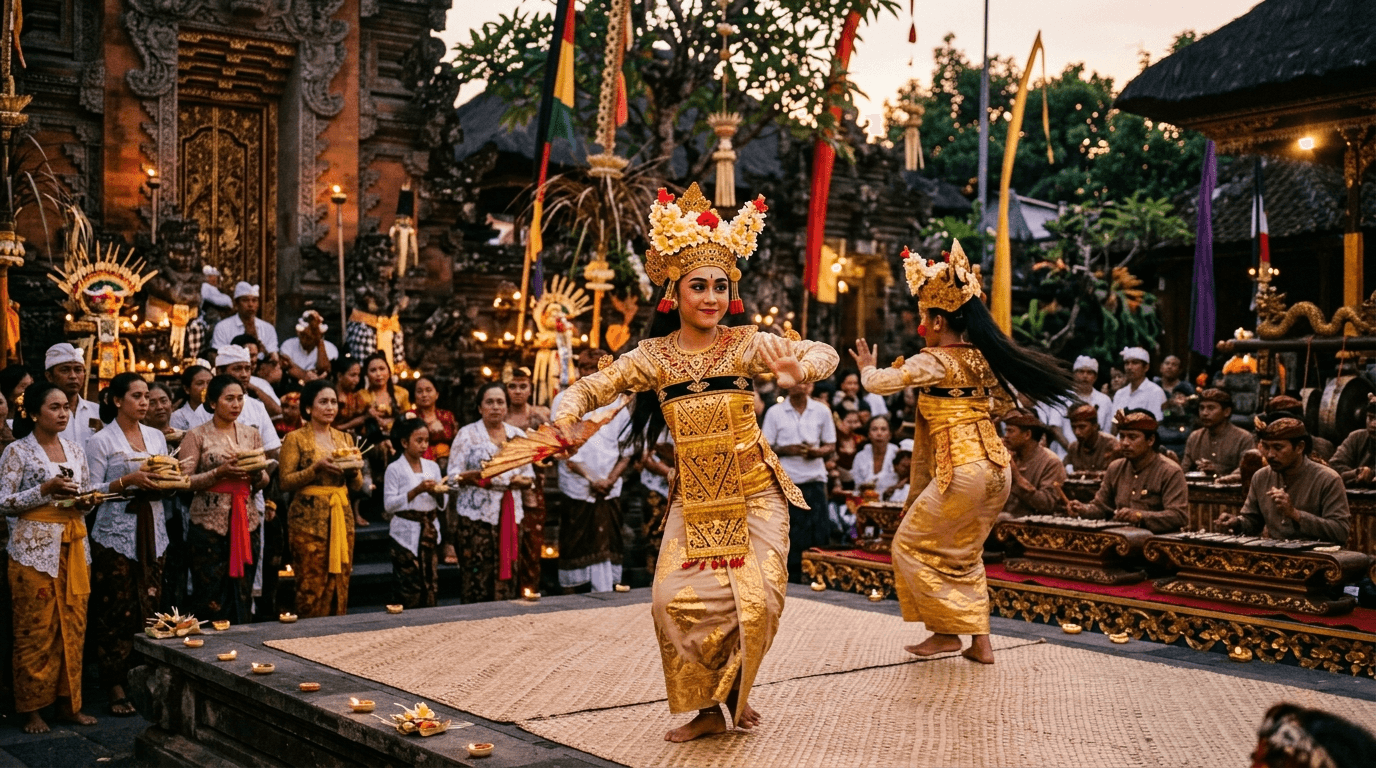
In Bali, cloth is never just cloth. A length of woven fabric can mark a wedding, protect a temple statue, signal social status or be believed to ward off illness. Textiles sit at the heart of Balinese ceremony and daily dress, and the techniques behind them represent some of the most sophisticated handweaving in the world. To understand Balinese textiles is to glimpse the island's beliefs about purity, protection and beauty all woven into thread.
Cloth as Sacred Object
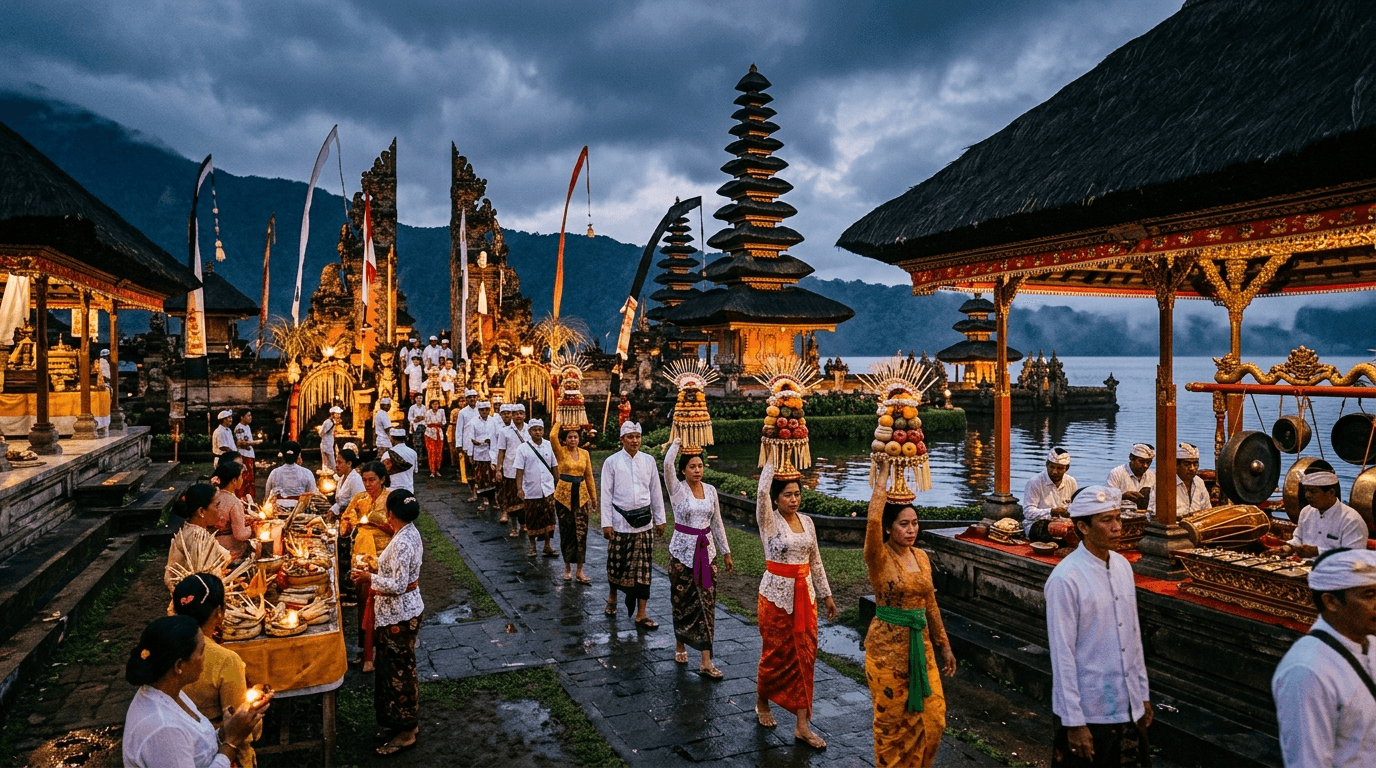
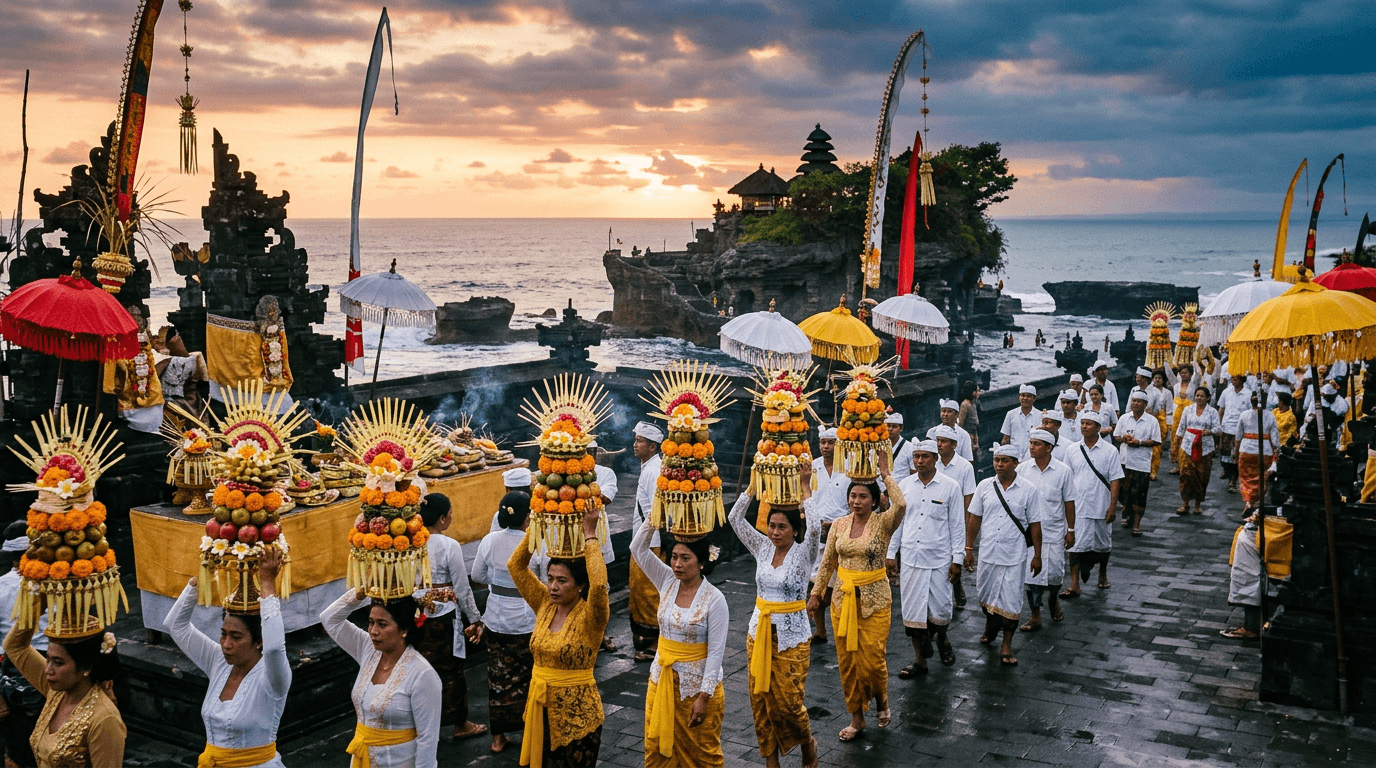
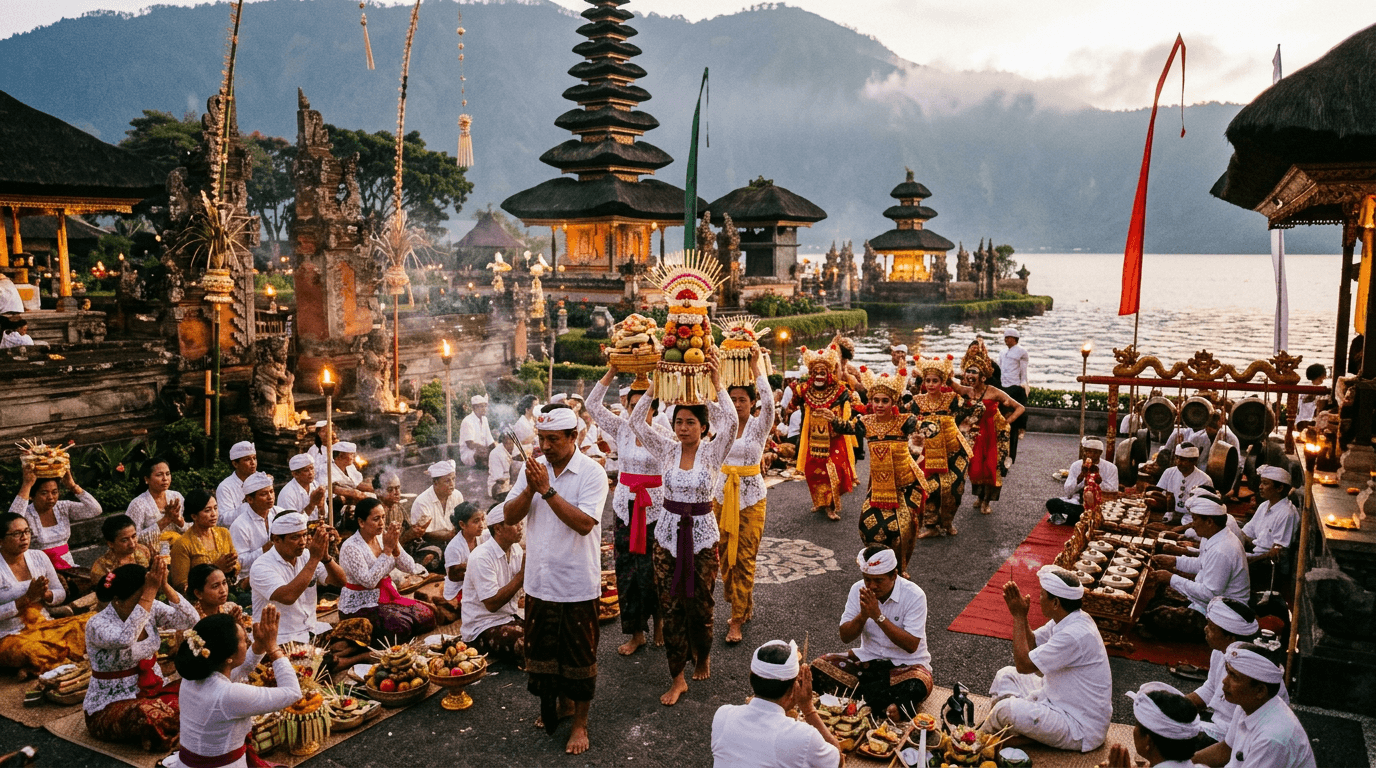
Balinese Hinduism is built around the idea of balance and the wrapping of the sacred. Temple shrines, statues and offerings are routinely dressed in cloth, often the black-and-white checked poleng that symbolises the balance of opposites, good and evil, light and dark. Worshippers wrap a sash, the selendang, around the waist before entering a temple as a sign of respect and to separate the pure upper body from the impure lower body. Cloth, in this worldview, both honours and protects.
Ikat: Dyeing the Thread Before Weaving
The most widespread Balinese weaving technique is ikat, a method in which the pattern is dyed into the threads before they are ever placed on the loom. Bundles of yarn are tied off with resistant fibre so the dye cannot reach certain sections, then dyed, untied, retied and dyed again to build up the design. Only afterwards is the patterned thread woven, requiring great skill to align the colours into a coherent image.
In most Balinese ikat, called endek, it is the weft thread that carries the pattern. Endek is woven across the island and produces the soft, slightly blurred-edged motifs that make handwoven ikat instantly recognisable. It is worn for ceremonies, given as gifts and increasingly used by contemporary designers in modern fashion, helping keep the craft alive.
Songket: Threads of Gold and Silver
Where ikat is everyday elegance, songket is pure luxury. In songket weaving, supplementary threads of gold or silver are floated across the surface of the cloth, creating shimmering patterns of flowers, birds and geometric motifs against a coloured ground. The metallic threads catch the light beautifully, which is why songket is reserved for the most important occasions: weddings, tooth-filing ceremonies and major temple festivals.
Producing songket is slow, painstaking work, and a fine piece can take weeks or months to complete. Historically it was associated with nobility and wealth, and even today a good songket cloth is a treasured family possession, often passed down through generations and worn with visible pride.
Geringsing: The Sacred Double Ikat of Tenganan
The rarest and most revered Balinese textile is geringsing, woven only in the ancient village of Tenganan in east Bali. Geringsing is a double ikat, meaning both the warp and the weft threads are tie-dyed in advance so that two separately patterned thread sets must align perfectly when woven. This is one of the most demanding weaving techniques on earth, practised in very few places worldwide.
The cloth is believed to have protective and healing powers; its very name is associated with warding off illness. Natural dyes, including deep reds and indigo blues, are used, and a single cloth can reputedly take years to complete because of the slow dyeing process. Authentic geringsing is correspondingly expensive and prized, and buying one in Tenganan is as much a cultural encounter as a purchase.
Poleng and Everyday Patterns
Beyond the prestige cloths, Bali has a rich vocabulary of everyday textiles. The checkered poleng wrapped around temple statues, banyan trees and guardian figures is perhaps the most visible. Its black-and-white squares, sometimes with grey, embody the Balinese philosophy of rwa bhineda, the harmony of opposing forces that keeps the world in balance. Once you notice poleng, you will see it everywhere across the island.
Buying Textiles Respectfully
Visitors can find Balinese textiles in markets, workshops and dedicated weaving villages. To buy well, look for handwoven pieces rather than printed imitations, ask about the technique, and where possible buy directly from weaving cooperatives so more of the money reaches the makers. Genuine geringsing, fine songket and quality endek command higher prices for good reason, and supporting authentic work helps sustain these endangered crafts.
Whether you bring home a simple endek scarf or simply learn to recognise poleng wrapped around a shrine, paying attention to Bali's textiles opens a window onto the island's deepest values. In every thread lies a belief: that beauty, devotion and protection can be woven together into something you can wear.