 MyGlob Editorial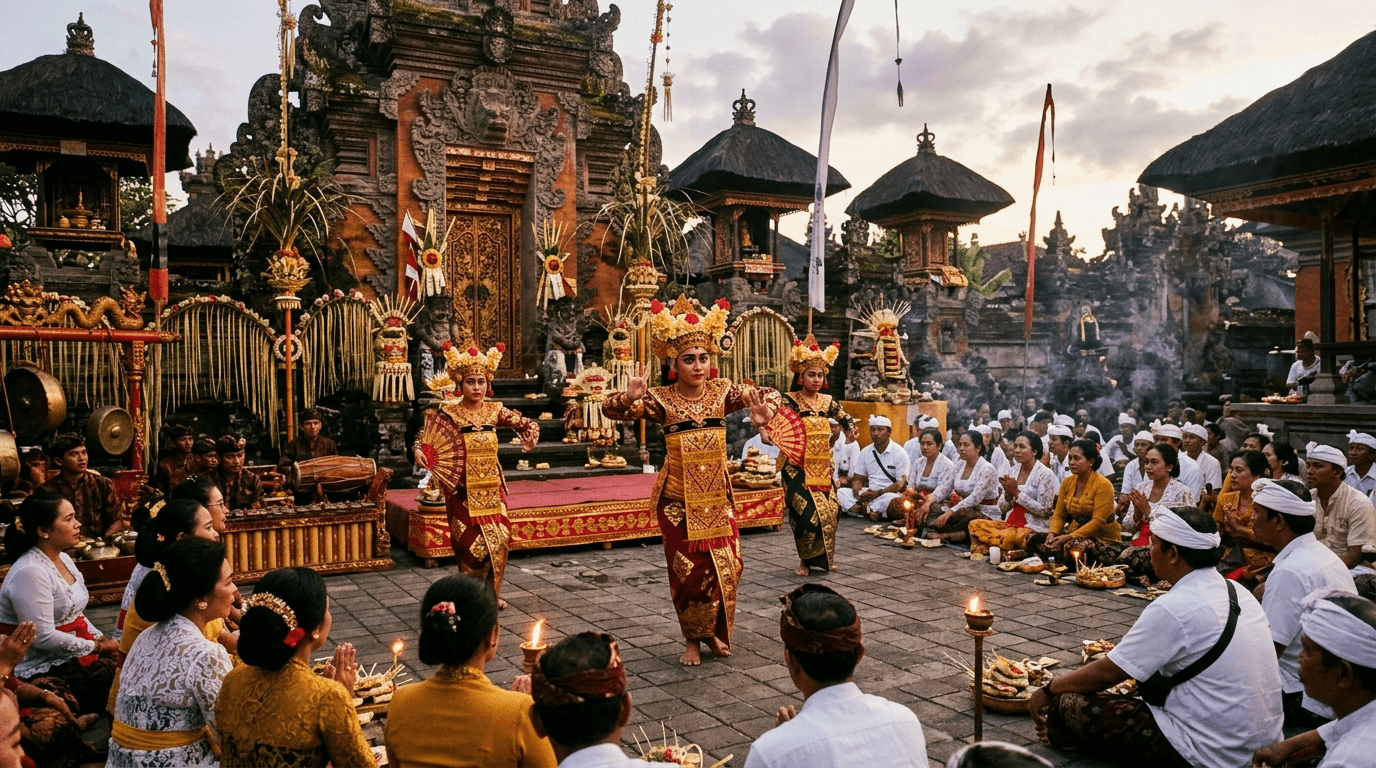
Few experiences capture the spirit of Bali like a night of wayang kulit. In the flickering light of an oil lamp, intricately carved leather puppets dance behind a white screen, throwing shadows that seem to breathe. A single master narrator voices dozens of characters, gamelan music swells and fades, and stories thousands of years old unfold for an audience that may include both villagers and gods. This is not merely entertainment; it is ritual, philosophy and theatre fused into one.
What Wayang Kulit Is
Wayang kulit literally means shadow leather. The puppets are flat figures cut from buffalo hide, finely perforated and painted, then mounted on horn or bamboo handles with articulated arms. They are pressed against a stretched white cloth, the kelir, lit from behind by a flame or lamp. The audience traditionally sits on the shadow side, watching the silhouettes, though many also watch from behind to see the puppets and puppeteer directly.
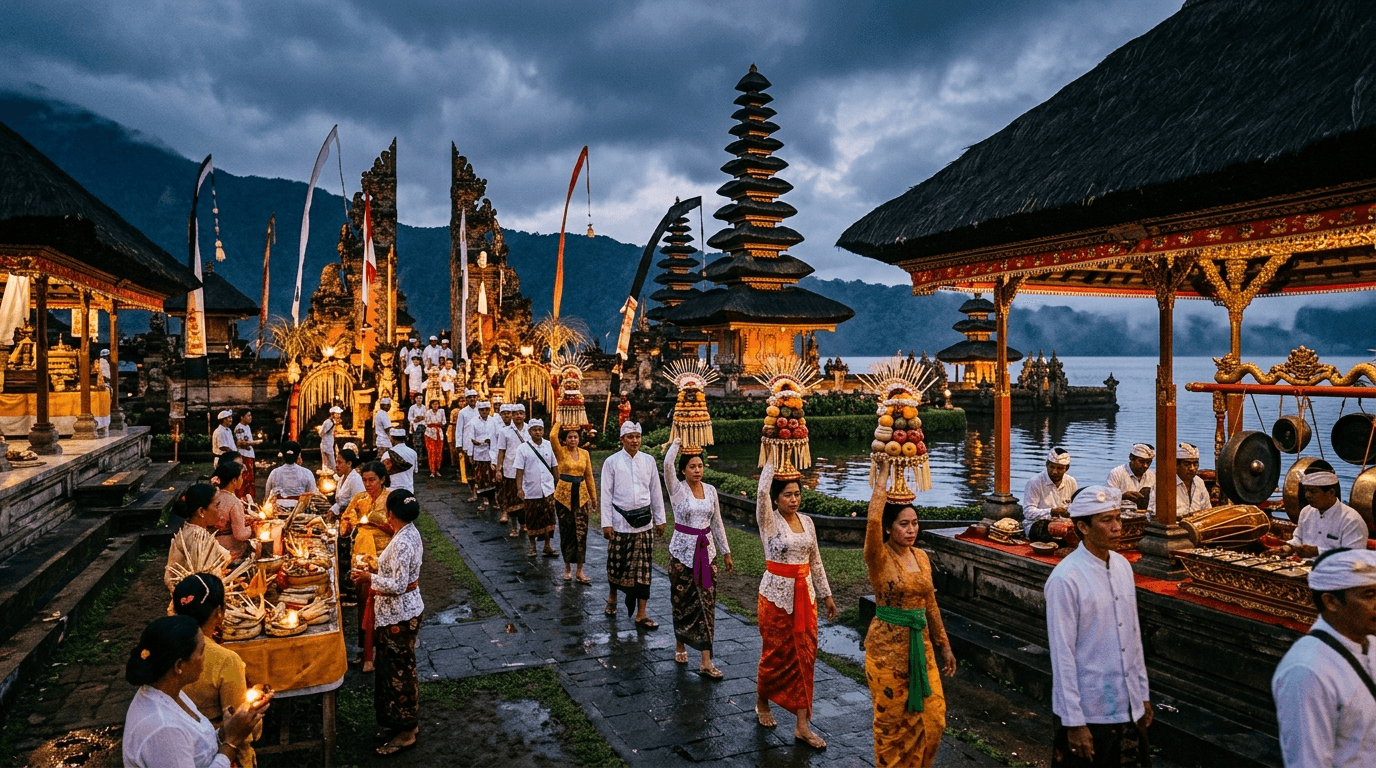
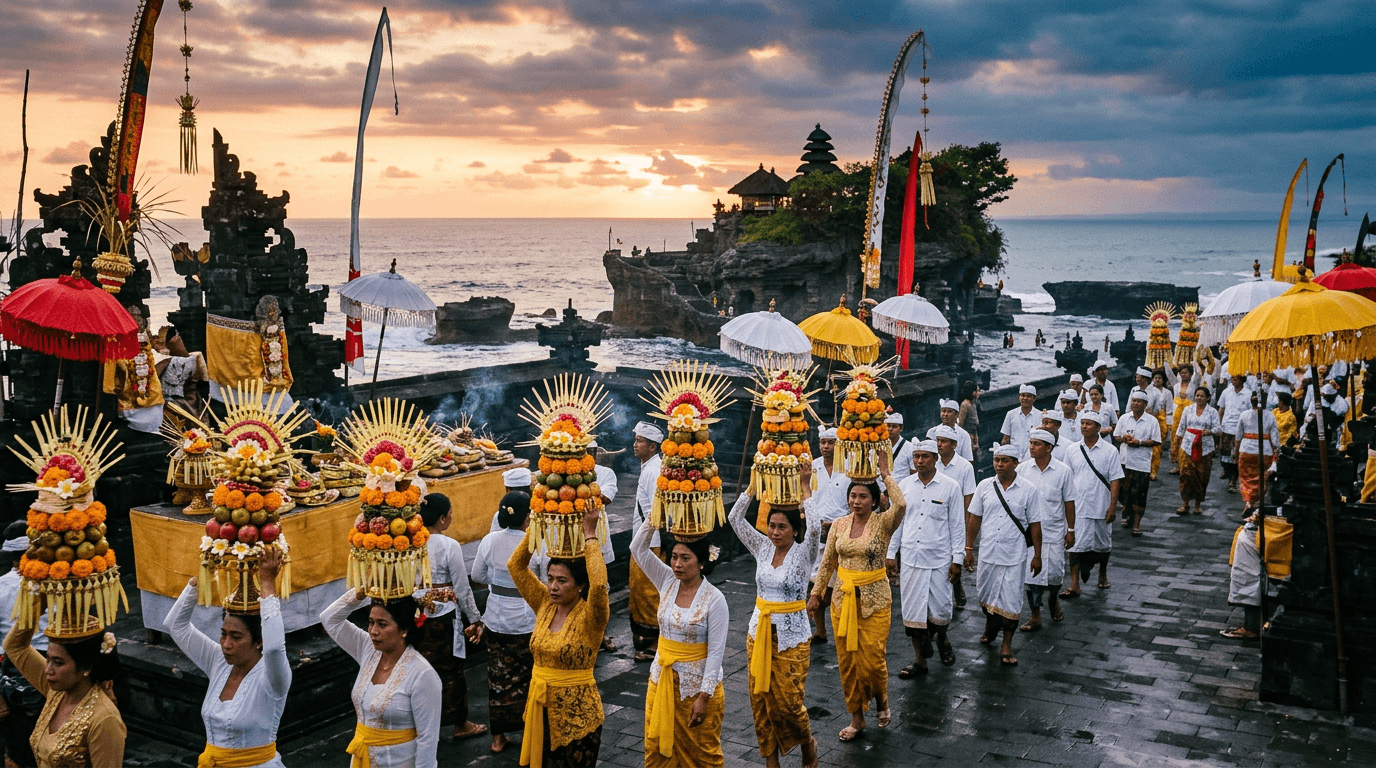
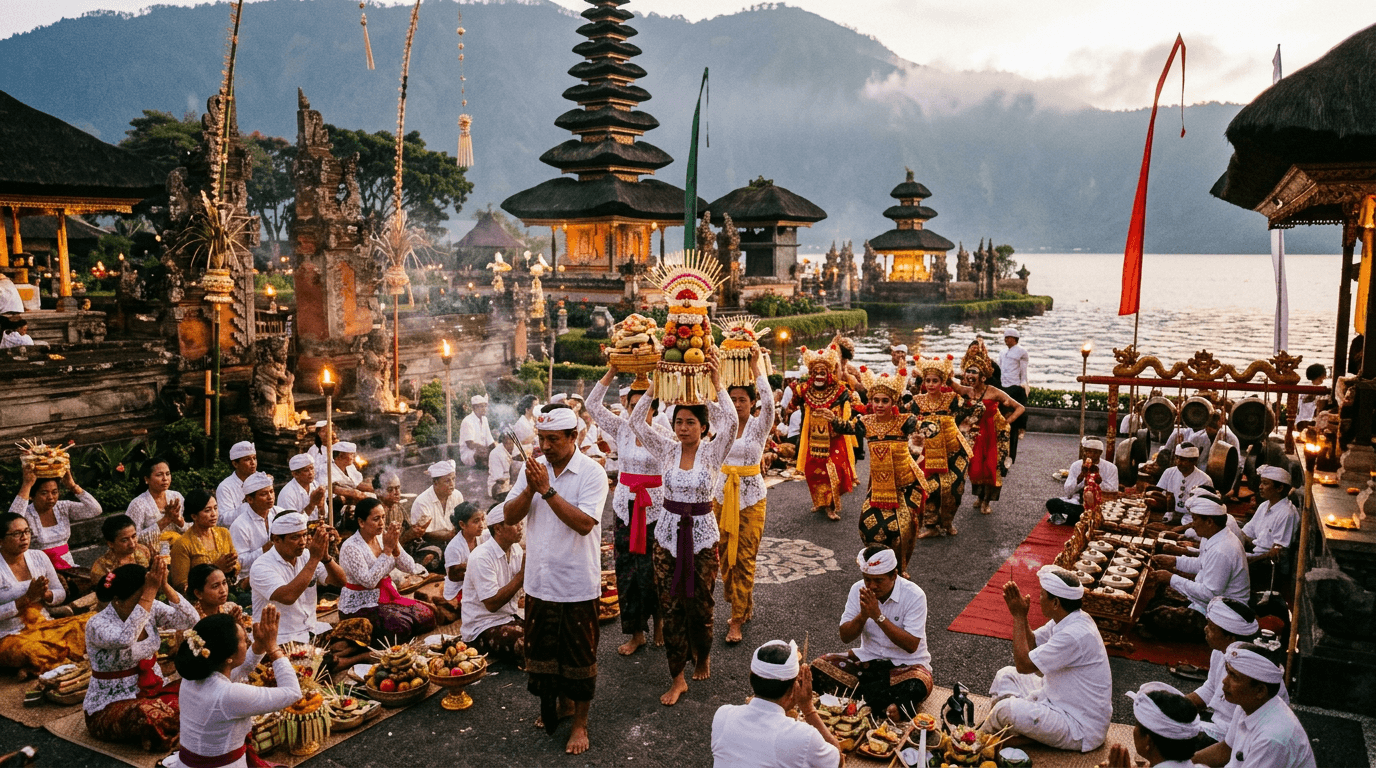
The art form is found across Indonesia, but the Balinese version has its own distinctive style, music and ritual function. It is closely tied to Balinese Hindu belief, and a performance is often part of a temple festival, a rite of passage or a ceremony of purification rather than a standalone show.
The Dalang: Master of a Hundred Voices
At the centre of everything is the dalang, the puppeteer. The dalang is far more than an entertainer. He manipulates every puppet, voices every character from refined princes to roaring demons, narrates the story, cues the musicians and improvises jokes and commentary, all simultaneously and often through an entire night. A skilled dalang must be a linguist, comedian, philosopher and, crucially, a kind of priest.
Because performances often have spiritual significance, the dalang may also conduct ritual elements, including offerings and holy water. In some sacred performances the screen is dispensed with entirely and the rite is performed for the unseen world as much as for the human audience. Becoming a dalang requires years of training in language, music, philosophy and ritual.
The Stories
Most wayang kulit plays draw on the great Hindu epics, the Mahabharata and the Ramayana, brought to Bali centuries ago and adapted into local language and sensibility. These epics provide an endless supply of heroes, villains, love stories and moral dilemmas. Within them, the dalang explores deep questions of duty, loyalty, good and evil, often weaving in references to local events and contemporary life.
A beloved feature of Balinese wayang is the panakawan, the clown-servants such as Tualen and Merdah. These earthy, comic characters translate the elevated dialogue of the nobles into everyday Balinese, crack jokes, comment on society and provide the humour and warmth that make a long performance fly by. Through them, the dalang can speak frankly about morality and even gently mock the powerful.
Light, Shadow and Meaning
The symbolism of wayang kulit runs deep. The lamp can represent the sun or the divine source of life; the screen, the world; the puppets, human souls; and the dalang, the supreme power animating all existence. Watching shadows that are real and yet not real, present yet intangible, audiences are invited to reflect on the nature of reality itself, a theme close to the heart of Balinese Hindu philosophy.
The Music
Balinese wayang is accompanied by a small gamelan ensemble, often a quartet of bronze metallophones known as gender wayang. Their shimmering, interlocking melodies set the emotional tone, marking entrances, battles and moments of tension or tenderness. The dalang and musicians work in tight coordination, with the puppeteer using a wooden tapper to signal cues. The music is considered one of the most refined and difficult forms in the Balinese repertoire.
Seeing Wayang Kulit Today
Wayang kulit performances still take place at temple festivals and ceremonies across Bali, and shorter, visitor-friendly versions are staged at cultural venues, especially around Ubud. For travellers, an evening of shadow theatre is an unforgettable encounter with living tradition. Even if you do not understand the language, the artistry of the silhouettes, the energy of the dalang and the otherworldly music carry their own meaning.
Treat any performance attached to a ceremony with respect: dress modestly, sit quietly, and remember you may be witnessing a sacred rite rather than a tourist show. Approached this way, wayang kulit offers something rare in modern travel, a chance to sit in the dark and watch an ancient world flicker into life.