 MyGlob Editorial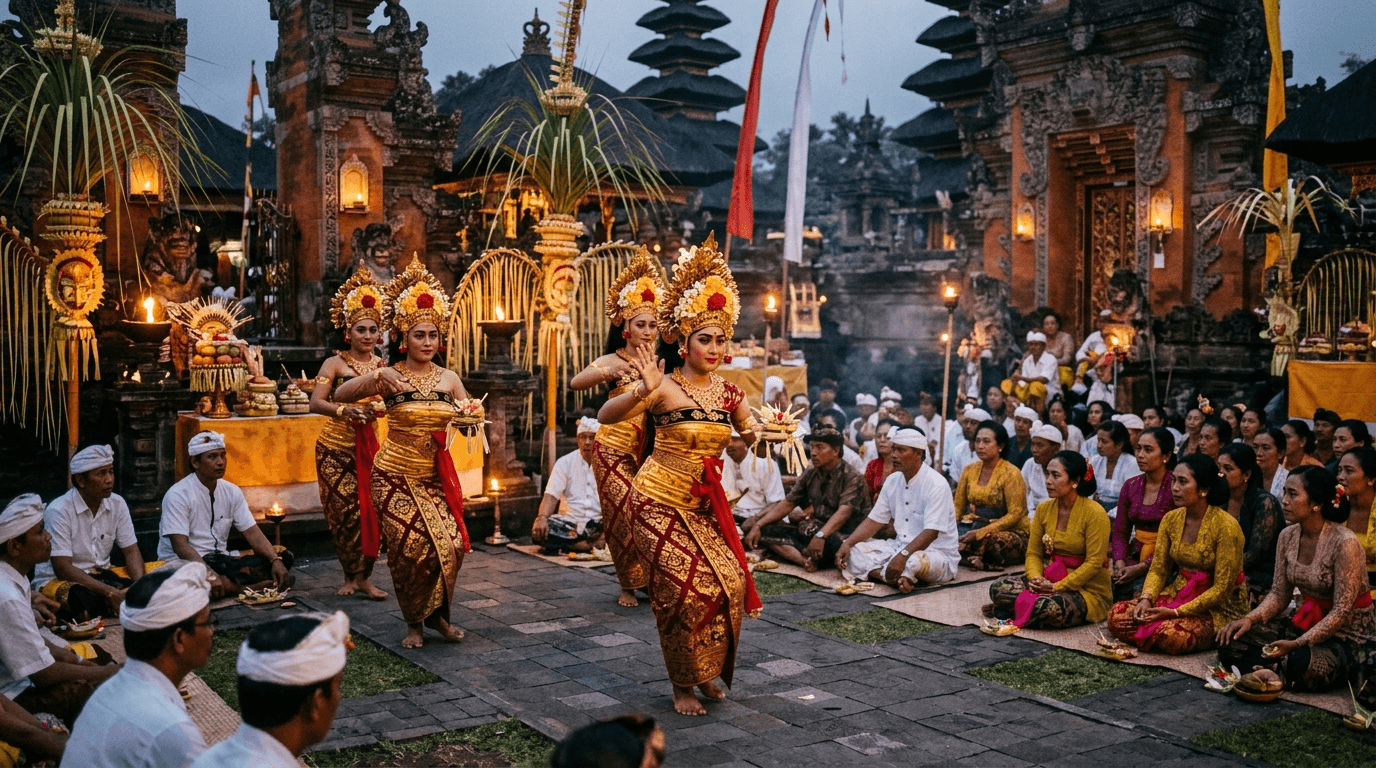
Long before craft cocktails arrived in Seminyak, Bali had its own spirit. Arak is the island's traditional distilled liquor, made from fermented palm sap or rice, and it has been part of Balinese life for generations. It appears in religious offerings, flows at village gatherings, and increasingly turns up in the glasses of curious travellers. Understanding arak is a way into a side of Bali that is rural, ritual and proudly local.
What Is Arak?
Arak is a clear, potent distilled spirit traditionally produced in Balinese villages. It is most often made from the fermented sap of coconut or other palm trees, or from rice, depending on the region and the maker. The strength varies considerably, since much of it is produced in small batches by hand, and quality differs from one distiller to the next. At its best, arak is smooth and aromatic; at its most rustic, it is fiery and raw.
A Spirit Steeped in Ceremony
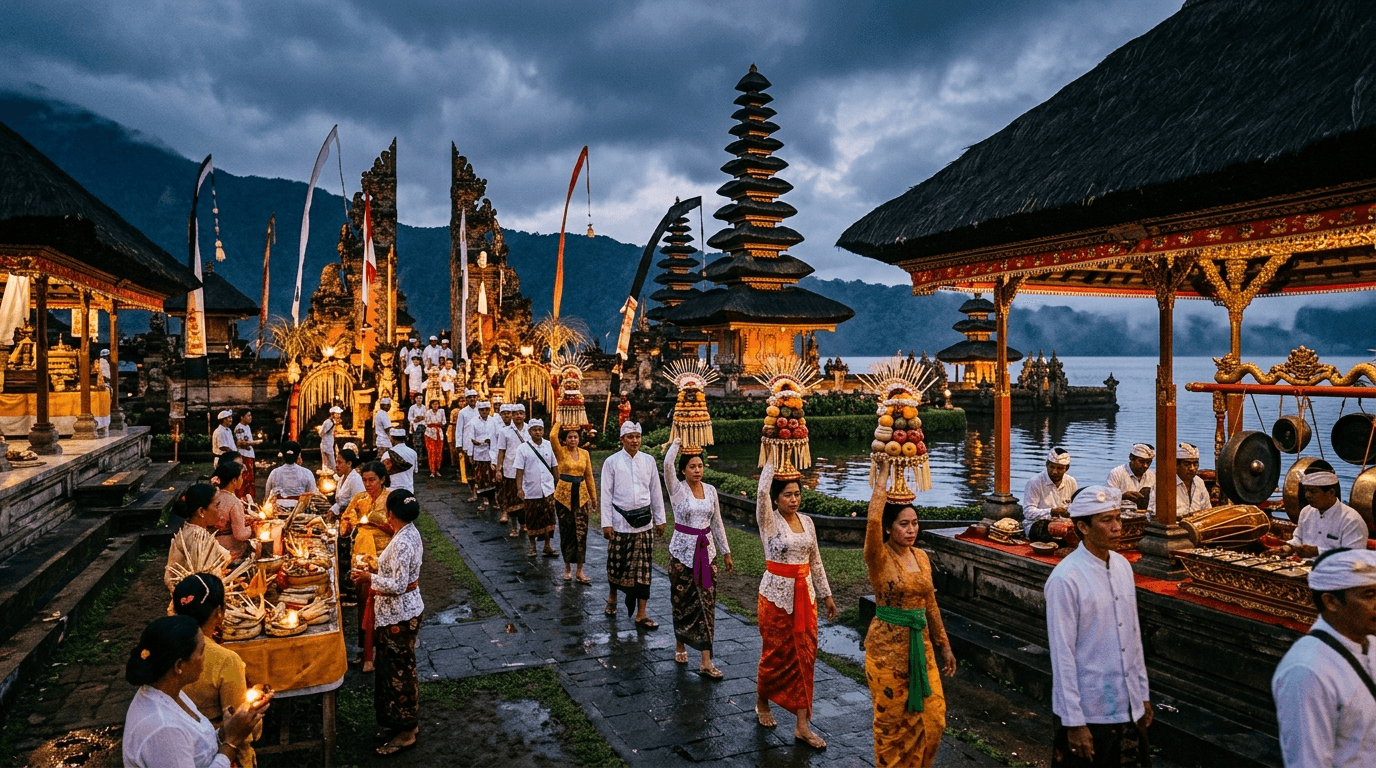
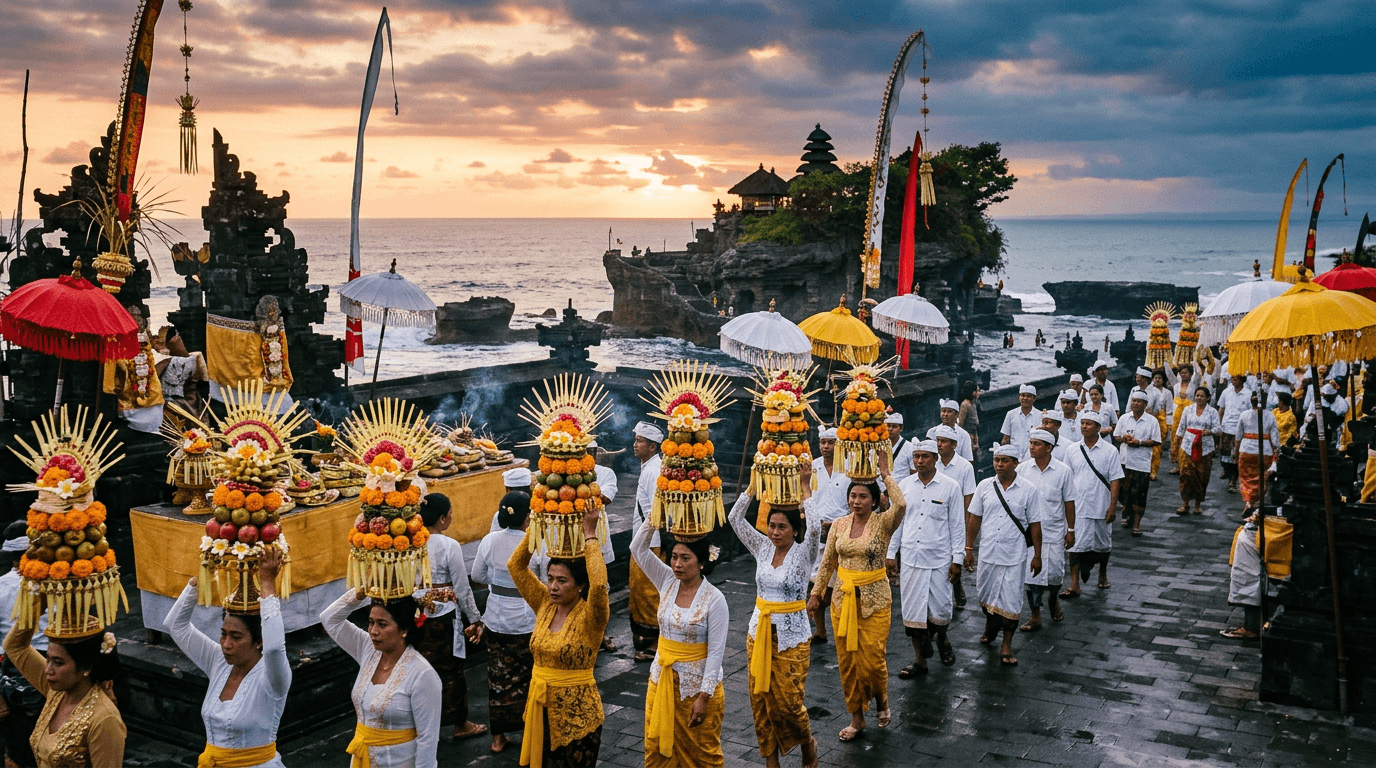
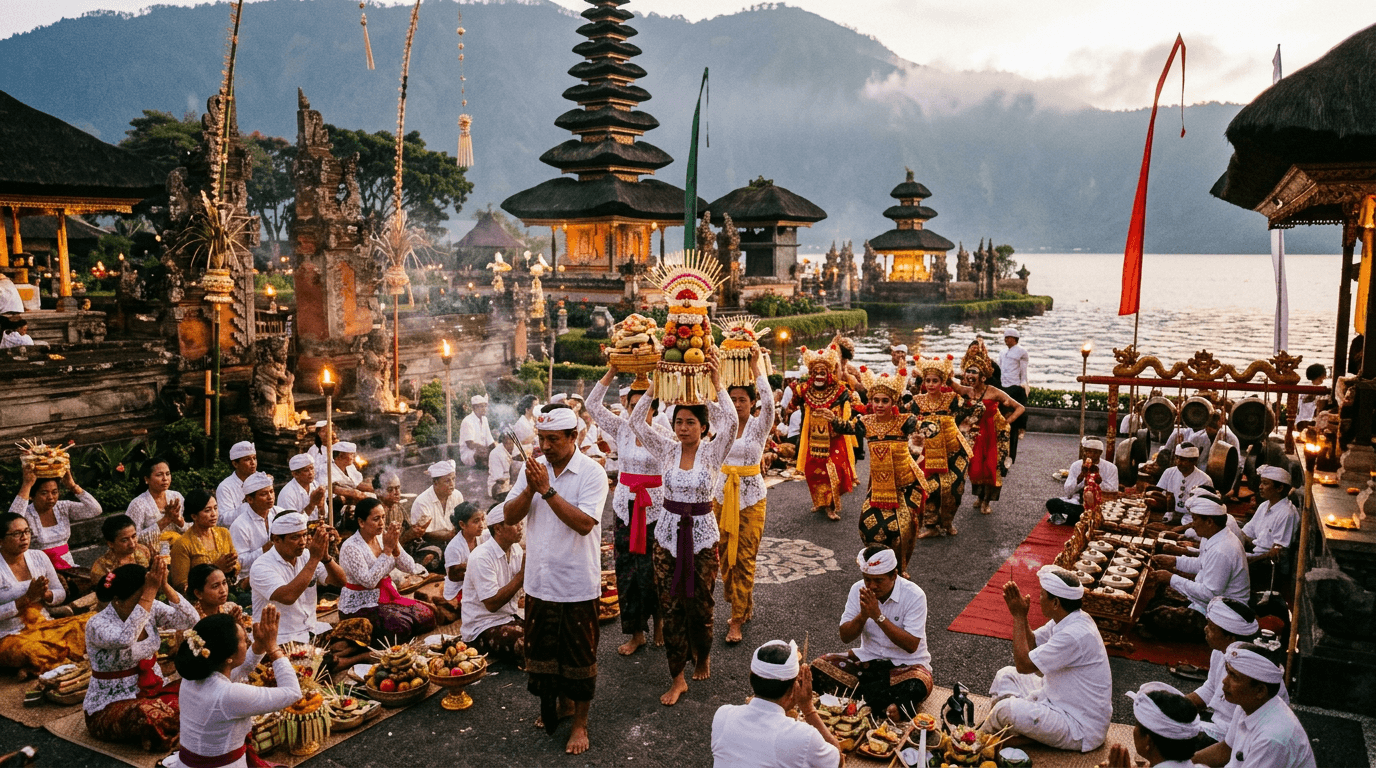
Arak is far more than a drink in Bali. It plays an important role in Hindu religious practice, where it features in offerings and rituals. In a ceremony called tabuh, small amounts of liquor are poured onto the ground as an offering to the lower spirits, a way of acknowledging and appeasing the forces of the underworld so that balance is maintained. This sacred dimension gives arak a cultural weight that ordinary alcohol does not carry, rooting it firmly in the island's spiritual traditions.
How Arak Is Made
Traditional arak production is a craft passed down through families. The process begins with the raw material, palm sap or cooked rice, which is left to ferment naturally over a period of days. Palm sap is typically tapped from the flower stalks of coconut or sugar palms, collected in containers and allowed to ferment into a mildly alcoholic toddy first.
- Tapping palm sap or preparing and cooking rice as the base material.
- Fermenting the base with natural yeasts over several days into a low-alcohol liquid.
- Distilling the fermented liquid, often in simple village stills heated over wood fires.
- Collecting the condensed spirit, sometimes redistilling it to raise the strength and refine the flavour.
The simplicity of the equipment belies the skill involved. Experienced distillers judge timing, heat and cuts by feel and tradition, producing a spirit whose character reflects its village and maker.
From Village Still to Modern Bottle
For much of its history arak was an informal, homemade product, sold in recycled bottles and consumed locally. In recent years a movement to legitimise and elevate arak has gained momentum, with regulations introduced to support and protect traditional producers and with premium, properly distilled brands appearing on shelves and in bars. Bartenders now build cocktails around arak, treating it with the same creativity once reserved for rum or tequila, and giving this humble village spirit a new and stylish life.
How to Drink Arak
Arak can be sipped neat, but it is often mixed. A popular local serve is arak madu, arak with honey and lime or fruit juice, which softens its punch into something refreshing. In contemporary bars you will find arak sour cocktails and other inventive mixes. However you take it, arak is strong, so a little goes a long way, and it pairs naturally with the bold flavours of Balinese food.
A Serious Safety Warning
There is an important caution that every visitor should heed. Because much arak is produced informally and without quality control, there have been cases of contamination, most dangerously with methanol, a toxic alcohol that can cause blindness or death. To enjoy arak safely, treat its source as critical.
- Buy arak only from reputable bars, restaurants and licensed, branded producers.
- Avoid cheap, unlabelled homemade arak from unknown or informal sellers.
- Be wary of unusually strong or oddly tasting batches and stop drinking if in doubt.
- Seek urgent medical help if you experience symptoms such as blurred vision, severe nausea or confusion after drinking.
A Taste of Real Bali
Approached with respect and care, arak offers a genuine taste of Balinese tradition, a spirit tied to the rhythms of village life, the rituals of the temple, and the slow craft of the still. As legitimate producers raise standards and bartenders reimagine it for a new audience, arak is shedding its rough reputation and taking its place as one of Bali's authentic cultural treasures, best enjoyed thoughtfully and from a trustworthy source.