 MyGlob Editorial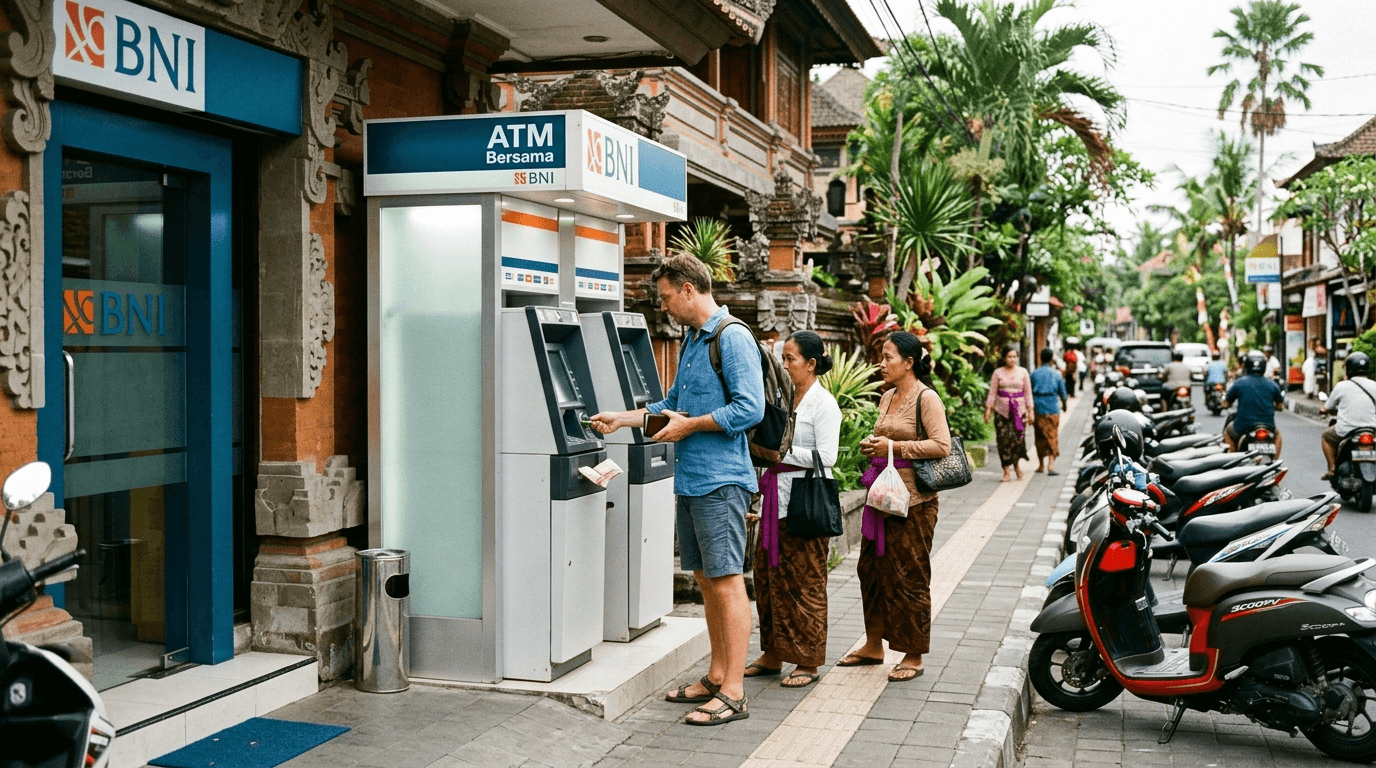
Bali runs on Indonesian rupiah, and getting your money strategy right makes everyday life smoother and protects you from the handful of scams that target visitors. The island is increasingly card- and app-friendly in tourist hubs, but cash is still king in warungs, markets, small shops, and rural areas. The winning approach is a sensible mix of both, plus a healthy dose of caution at ATMs and money changers.
The currency and getting used to the numbers
The Indonesian rupiah comes in large denominations, so prices have a lot of zeros and your wallet quickly fills with high-value notes. It takes a day or two to stop mistaking one note for another with ten times the value, so check denominations carefully when paying and receiving change. Keeping a rough mental conversion to your home currency helps you sense whether a price is fair.
Cash: still essential
Carry cash for the many places that do not take cards: traditional warungs, street food, local markets, small drivers, temple donations, parking attendants, and most of the island once you leave the polished south. Keep a spread of smaller notes for these everyday purchases, since vendors often cannot break large notes. That said, never carry more than you need for the day — keep the bulk locked in your accommodation safe.
ATMs: convenient but use them wisely
ATMs are plentiful in tourist areas and the easiest way to get rupiah at a fair exchange rate. A few precautions keep you safe: use machines attached to or inside banks, malls, or well-lit reputable spots rather than isolated standalone units, which are occasionally tampered with by card skimmers. Check the maximum withdrawal per transaction, watch out for both Indonesian bank fees and your home bank's foreign-withdrawal charges, and always shield the keypad. Notify your bank you are travelling so your card is not blocked.
- Prefer ATMs inside banks, malls, or busy, monitored locations.
- Watch for skimmers and anything unusual on the card slot.
- Factor in local and home-bank withdrawal fees; bigger, less frequent withdrawals can cut costs.
- Decline the machine's offer to convert to your home currency — choose to be charged in rupiah for a better rate.
Credit and debit cards
Cards are widely accepted at hotels, larger restaurants, beach clubs, supermarkets, and tour operators, especially across the south and Ubud. Visa and Mastercard lead; American Express is less reliable. Some smaller venues add a surcharge for card payments, so ask first. Always opt to pay in rupiah rather than your home currency when the terminal asks, as the 'dynamic currency conversion' rate is poor. A card with no foreign-transaction fees saves money over a trip.
Money changers: where the scams hide
Authorised money changers can offer good rates, but unofficial ones are a notorious source of sleight-of-hand scams, where a few notes are palmed back during a fast, distracting count. Protect yourself by using established, reputable changers (look for official authorisation signage), being suspicious of rates that look too good to be true, counting the money yourself slowly before handing over your currency, and not letting the cashier recount it after you have. If anything feels off, walk away.
- Use only authorised, reputable money changers with clear signage.
- Be wary of rates well above the market — they are bait.
- Count your rupiah yourself and keep your eyes on it the whole time.
Digital payments and apps
Cashless habits are spreading fast. QR-code payments and e-wallets are common in cafés and shops, and ride-hailing apps like Grab and Gojek let you pay for rides and food deliveries from a linked card or in-app balance, which is convenient and removes haggling. Even so, do not rely on digital payments alone — patchy connectivity and cash-only vendors mean you should always carry some rupiah.
Tipping and small etiquette
Tipping is appreciated but not rigidly expected. Many restaurants add a service charge; where they do not, rounding up or leaving a little is kind. Tip drivers, guides, spa therapists, and hotel staff modestly for good service. Keep small notes handy for parking helpers and temple donations. A friendly attitude and a bit of small change go a long way.
Bring a fee-free card as your main tool, withdraw cash sensibly from secure ATMs, keep small notes for daily life, and stay alert at money changers. Manage those few basics and money in Bali becomes one less thing to think about.