Be Siap Base Kalas: Balinese Chicken in Spiced Coconut Milk (2026)
A home recipe for Be Siap Base Kalas, the comforting Balinese dish of chicken simmered in turmeric-yellow spiced coconut milk. Full ingredients, step-by-step method and tips.
 MyGlob Editorial March 29, 2026 2 min read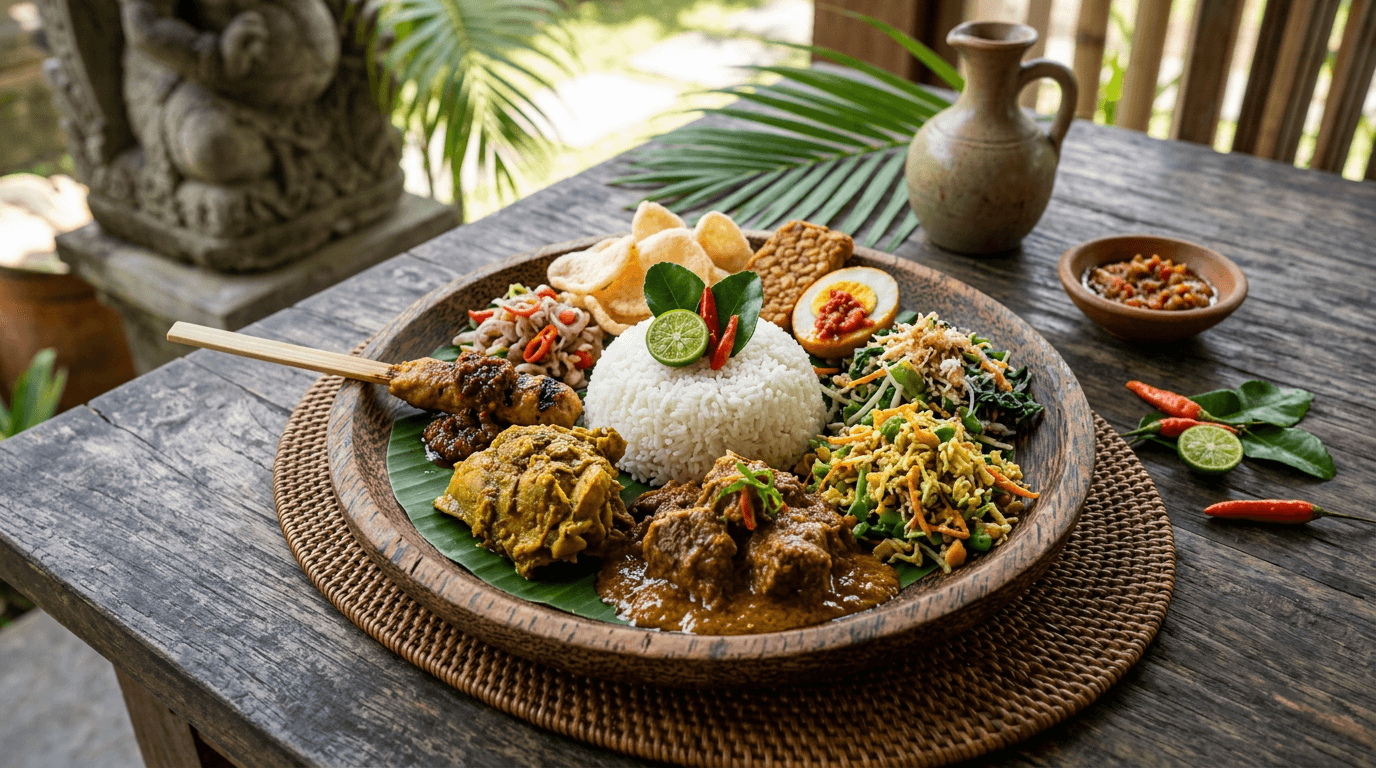
Be Siap Base Kalas is Bali's answer to a gentle, soothing chicken curry. In Balinese, be siap means chicken and base kalas refers to the rich, mildly spiced coconut milk sauce that the bird is simmered in. Coloured a warm golden yellow by fresh turmeric and thickened with coconut milk, it is the kind of homely, everyday dish that appears at family tables and ceremonies alike, often eaten alongside grander, spicier plates to balance them out.
Ingredients
- 1 kg chicken pieces, bone-in (thighs and drumsticks work best)
- 600 ml coconut milk (a mix of thick and thin, or one can plus water)
- 2 stalks lemongrass, bruised and knotted
- 3 kaffir lime leaves
- 1 salam (Indonesian bay) leaf
- 1 teaspoon salt, plus palm sugar to taste
- 2 tablespoons coconut oil
- 6 shallots
- 4 cloves garlic
- 3 cm fresh turmeric (or 1 teaspoon ground)
- 3 cm galangal
- 2 cm ginger
- 3 candlenuts
- 2 to 4 red chillies, to taste
- 1 teaspoon coriander seeds, toasted and ground
- 1/2 teaspoon white peppercorns
- 1/2 teaspoon shrimp paste (terasi), toasted
- Blend all the spice paste ingredients into a smooth paste, adding a splash of water if needed.
- Heat the coconut oil in a wide pot, add the paste, lemongrass, kaffir lime leaves and salam leaf, and fry over medium-low heat for about 8 minutes until fragrant and the oil starts to separate.
- Add the chicken pieces and turn them in the paste until well coated and lightly sealed on all sides.
- Pour in the thinner coconut milk first, bring to a gentle simmer, then partially cover and cook for 25 to 30 minutes, stirring occasionally so the sauce does not catch.
- Stir in the thick coconut milk, salt and a little palm sugar. Simmer gently, uncovered, for a further 10 minutes until the chicken is tender and the sauce has thickened to a coating consistency. Do not boil hard once the thick coconut milk is in, or it may split.
- Taste and adjust salt and sugar, fish out the lemongrass and leaves, and serve hot.
Method
- 1Where many Balinese dishes hit you with chilli heat, base kalas is more about fragrance and silkiness. The lemongrass, galangal and kaffir lime perfume the sauce while the coconut milk rounds everything off. It is forgiving to cook and deeply satisfying, making it a great introduction to home-style Balinese cooking.
- 2Serves 4:
- 3For the spice paste:
- 4Stir the sauce frequently and keep the heat gentle once the thick coconut milk goes in. Coconut milk splits if boiled too aggressively; a steady, lazy simmer keeps it smooth and glossy.
- 5Bone-in chicken gives a far better result than breast fillet here. The bones add body to the sauce and the dark meat stays moist through the longer cooking time.
- 6Fresh turmeric gives both the colour and a cleaner flavour than ground. Wear gloves when handling it, as it stains hands and chopping boards a vivid yellow.
- 7Serve base kalas with plenty of steamed rice to soak up the sauce, and add a fresh sambal matah or some lawar on the side if you want the contrast of something sharp and crunchy. It also reheats wonderfully the next day, when the spices have had time to meld.
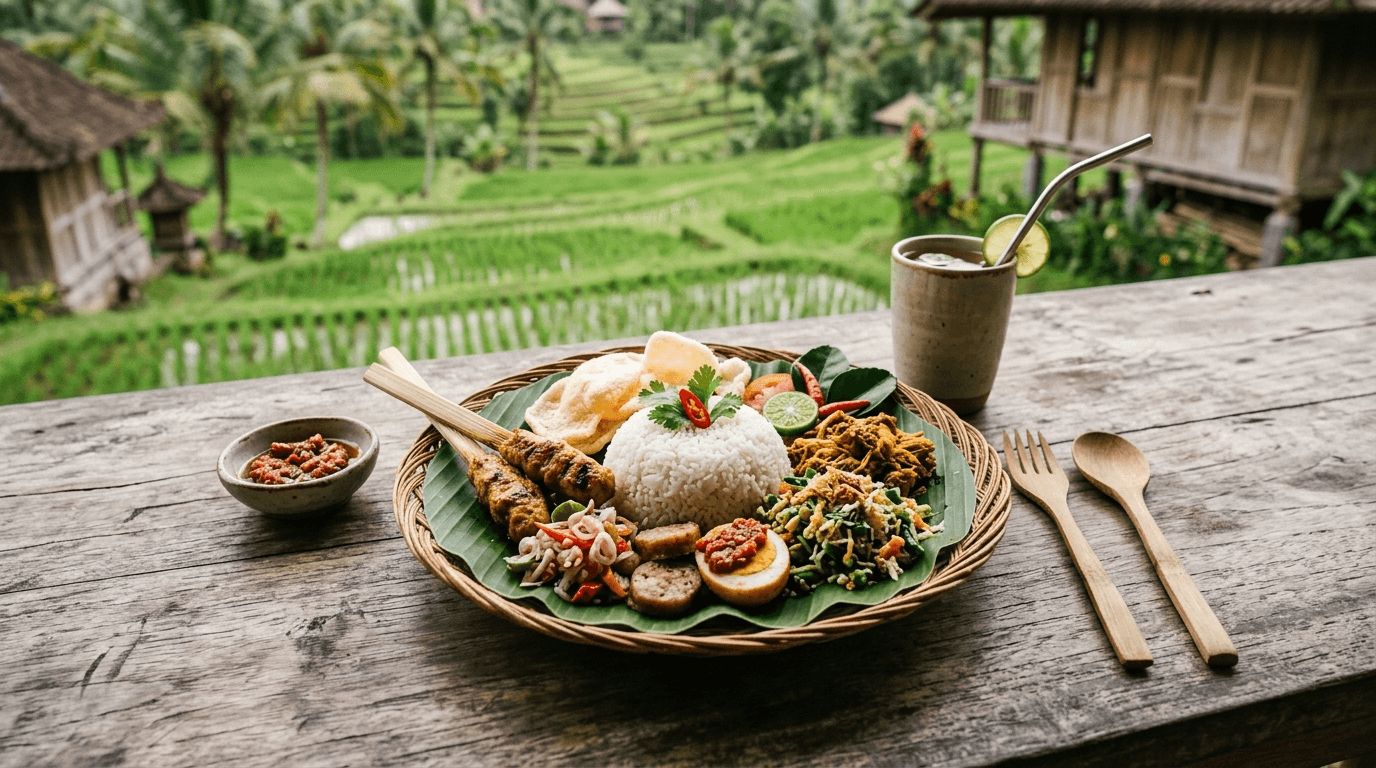
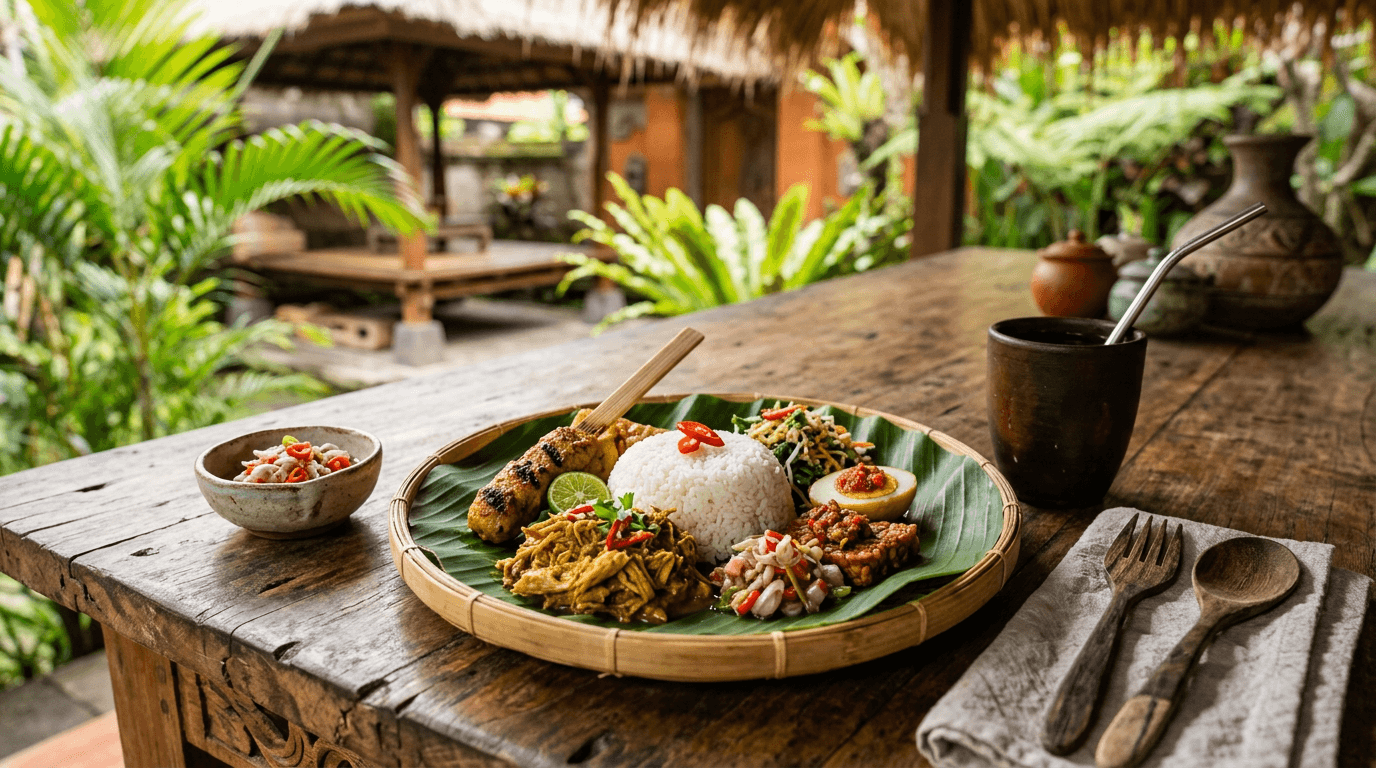
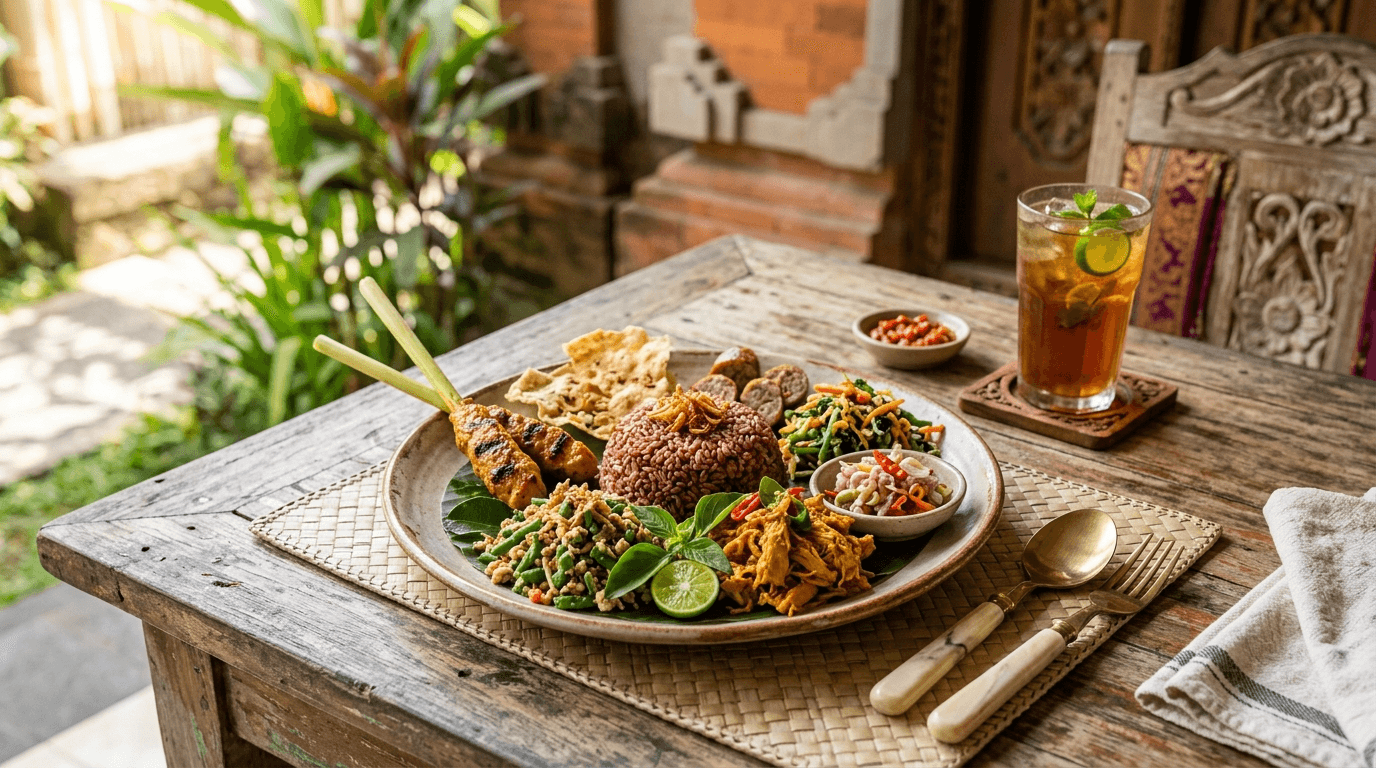
Be Siap Base Kalas is Balinese chicken cooked in base kalas, a creamy coconut milk sauce flavored with turmeric, lemongrass and the island's signature spice paste. It is mild, fragrant and comforting, served with steamed rice. It is a beloved home-style dish across Bali.
- Dish type
- Balinese chicken in coconut milk
- Sauce
- Base kalas (spiced coconut milk)
- Key flavors
- Turmeric, lemongrass, coconut
- Served with
- Steamed rice
- Origin
- Bali, Indonesia
- It is chicken simmered in spiced yellow coconut milk (base kalas).
- Turmeric, lemongrass and base genep give it flavor and color.
- The dish is mild, creamy and comforting.
- It is traditionally served with steamed rice.
- It is a popular Balinese home-style and ceremonial dish.