Bawang Goreng: Crispy Fried Shallots, Bali's Favourite Garnish
Bawang goreng are the golden, crunchy fried shallots that finish almost every Indonesian dish. Learn the simple technique for shatteringly crisp, never-soggy fried shallots at home.
 MyGlob Editorial April 8, 2026 1 min read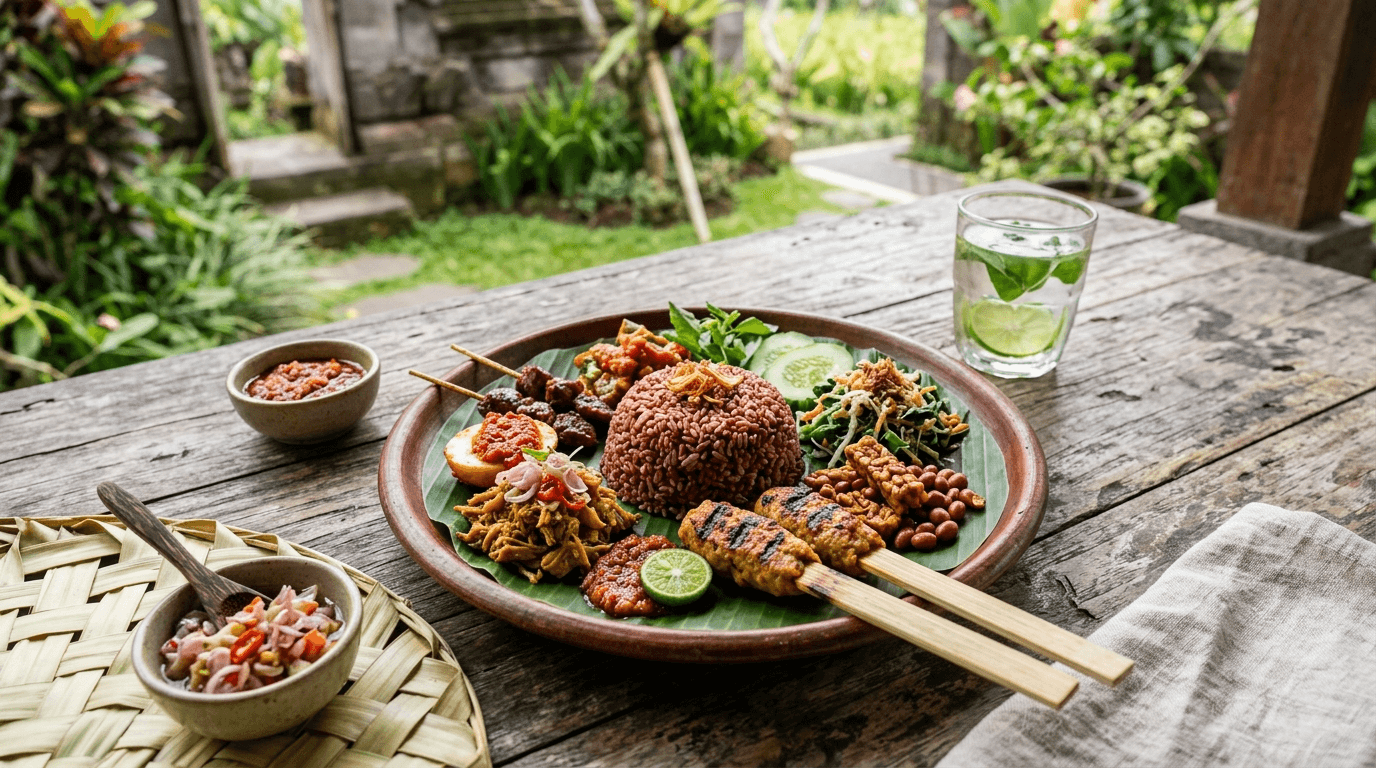
Walk into any warung in Bali and order a bowl of bakso, soto or nasi goreng, and the final touch is almost always the same: a generous shower of bawang goreng, crisp golden fried shallots that crackle between your teeth. They are the unsung hero of Indonesian cooking, adding sweetness, crunch and a deep savoury aroma that lifts everything from soups to rice dishes. No Balinese kitchen is complete without a jar of them on the counter.
Ingredients
- 500 g Asian red shallots (the small, firm variety)
- Neutral oil for frying, such as coconut or vegetable oil, enough for shallow frying
- 1/4 tsp salt (optional)
- 1 tsp rice flour or cornflour (optional, for extra crispness)
- Peel the shallots and slice them as thinly and evenly as possible, ideally with a mandoline. Uniform slices fry at the same rate, which is the single biggest factor in avoiding burnt and soggy pieces in the same batch.
- Spread the slices on a tray or paper towel and let them air-dry for 15 to 30 minutes. Removing surface moisture helps them crisp and reduces dangerous oil splatter. For extra crunch, toss them lightly with the rice flour now.
- Pour oil into a wide pan to a depth of about 2 cm and heat over medium-low. Add a single shallot slice to test; it should bubble gently and steadily, not aggressively.
- Add the shallots in batches so the pan is not crowded. Fry over medium-low heat, stirring often for even colour, as the moisture cooks off and the slices slowly turn pale gold.
- Watch closely near the end. The moment they turn light golden, remove them with a slotted spoon, because they continue cooking and darkening from residual heat. Pulling them slightly early prevents bitterness.
- Drain on paper towels and sprinkle with a little salt if you like. They will crisp up fully as they cool. Strain and reserve the fragrant shallot oil for cooking.
Method
- 1While you can buy them ready-made, freshly fried shallots are in another league: more fragrant, crunchier and free of the stale oiliness that plagues packaged versions. The technique is simple but rewards a little patience and attention, because the line between perfectly golden and bitterly burnt is thin. Get it right and you will have a topping that turns the plainest plate of rice into something special, plus a bonus jar of intensely flavoured shallot oil.
- 2Fried shallots are everywhere in the archipelago, but homemade ones carry a freshness that transforms a dish. As the shallots fry, their natural sugars caramelise and their sharpness mellows into a sweet, nutty crunch. The shallot-infused oil left behind is a prize in itself, perfect for drizzling over noodles, stirring into dressings or starting your next stir-fry.
- 3In Bali, you will see bawang goreng scattered over nasi campur, lawar, bubur (rice porridge) and countless noodle and soup dishes. They are also a key garnish for nasi goreng and mie goreng. A small effort yields a topping you will use constantly, so it is worth frying a big batch at once.
- 4Low and slow wins. The most common mistake is frying too hot, which browns the outside before the moisture inside has cooked off, giving you shallots that look done but turn limp and bitter. Keep the heat medium-low and accept that it takes time.
- 5Dry slices are crisp slices. Patting the shallots dry, or letting them air-dry, makes a noticeable difference to the final crunch and keeps the oil from spitting. The optional dusting of rice flour creates an even crispier shell.
- 6Remove early and cool completely. Take the shallots out just before they reach the colour you want, since carryover heat finishes the job. Once cool and fully crisp, store them in an airtight jar at room temperature, where they keep well for a couple of weeks.
- 7Sprinkle them over nasi goreng, mie goreng, fried rice, noodle soups and congee for instant texture and aroma. They are essential on Balinese nasi campur and bubur, brilliant over scrambled or fried eggs, and a wonderful finish for grilled meats and salads. Do not forget the shallot oil left behind; a spoonful stirred into dressings, dipping sauces or freshly steamed rice carries the same deep, sweet shallot flavour. Together they are two staples from one simple effort.
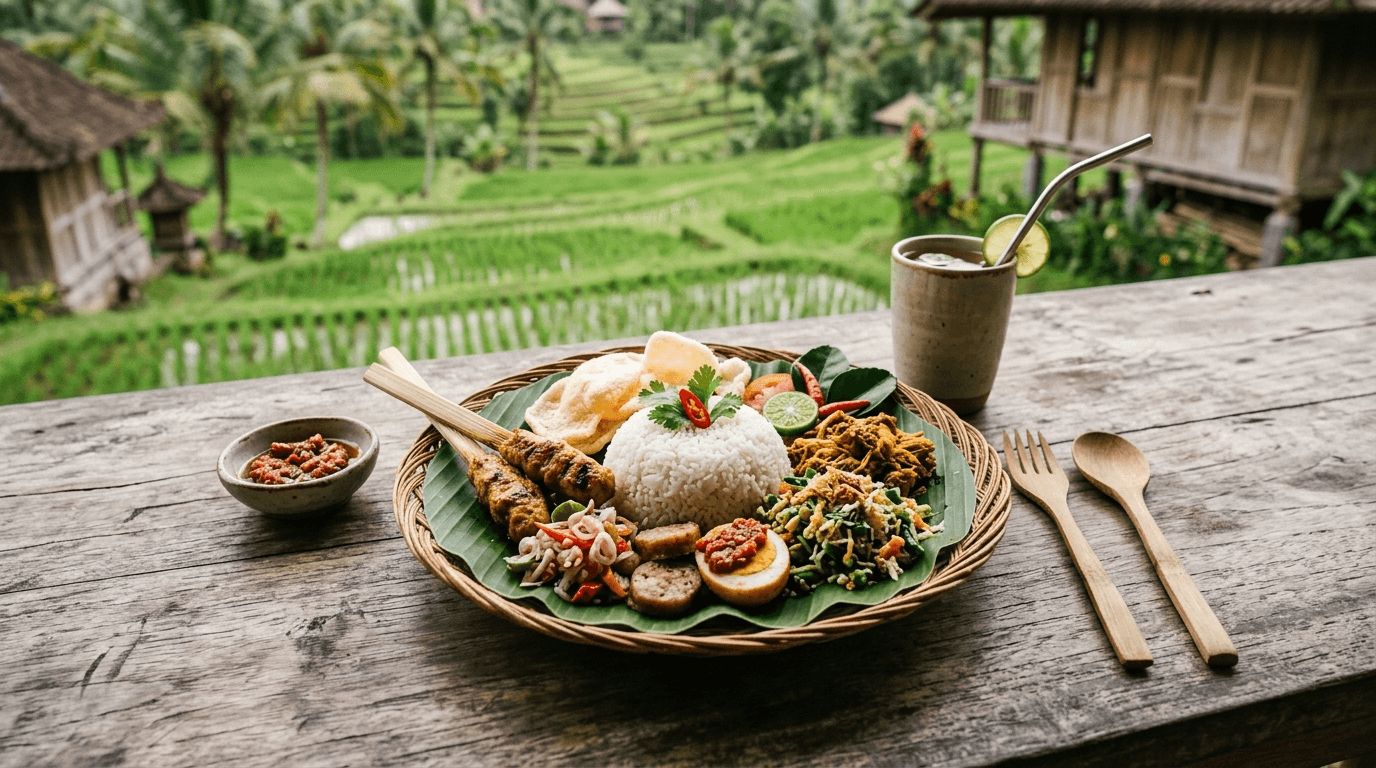
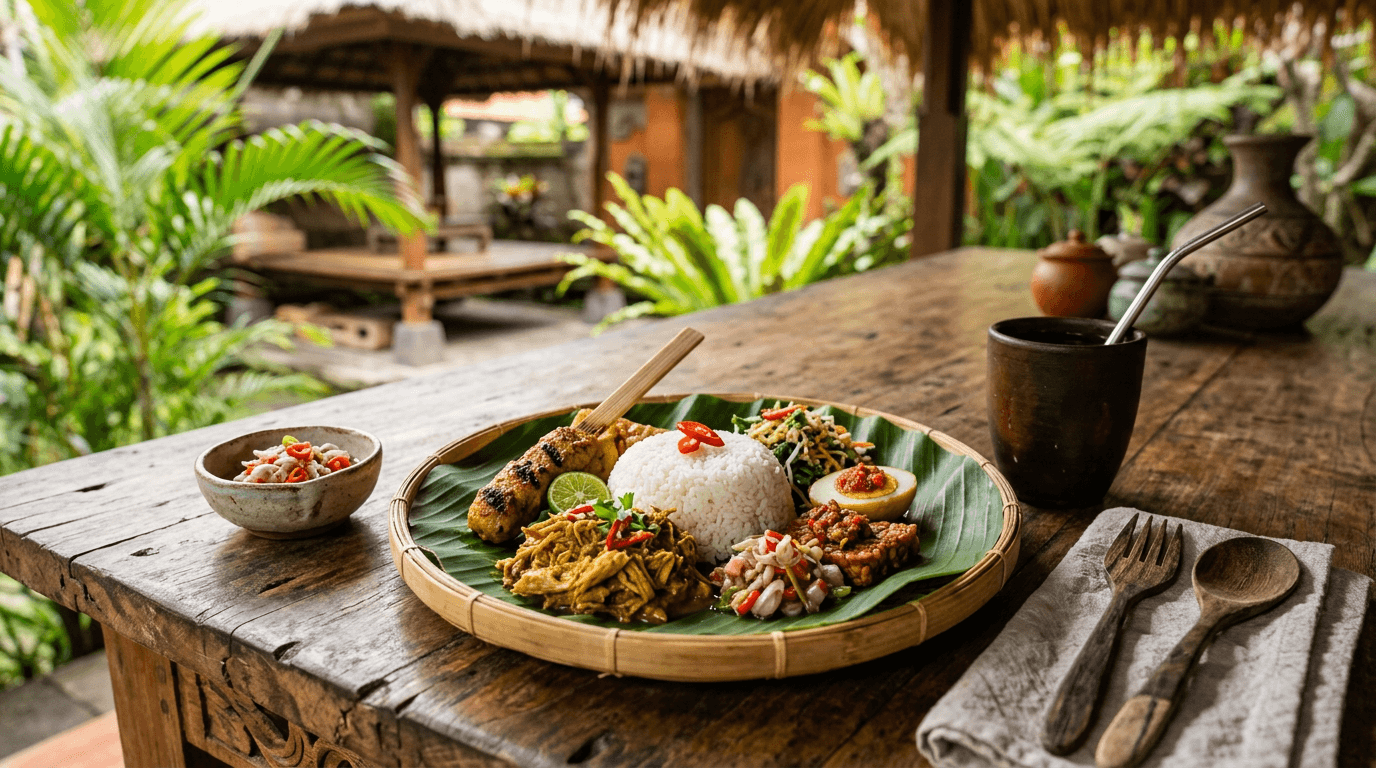
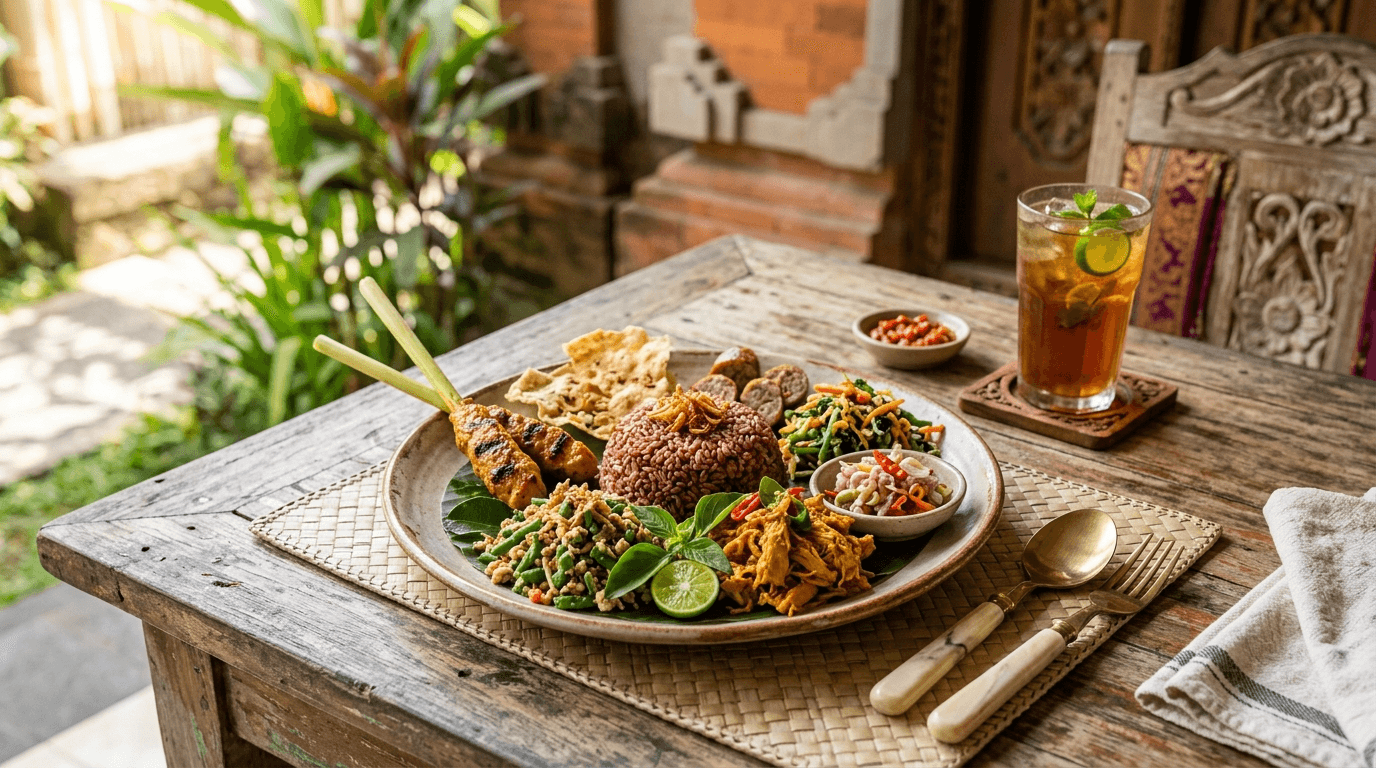
Bawang goreng are thinly sliced shallots fried until golden and crisp, used as a crunchy garnish across Indonesian and Balinese dishes. The keys are even slicing, gentle frying and draining well so they stay crisp. Store them airtight and sprinkle over rice, noodles, soups and salads.
- What it is
- Crispy fried shallots
- Role
- Garnish and flavour topping
- Used on
- Rice, noodles, soups, salads
- Storage
- Airtight, once cooled
- Bawang goreng means fried shallots in Indonesian.
- They are a staple garnish for rice, noodles and soups.
- Even, thin slicing helps them fry uniformly.
- Fry gently and drain well to keep them crisp.
- Store airtight to maintain crunch.