Yoga Teacher Training in Bali 2026: 12 Things to Know Before You Book
Bali is one of the world's great places to train as a yoga teacher. Before you commit thousands of dollars and a month of your life, here are the 12 factors that actually determine whether a course is right for you.
 MyGlob Editorial May 11, 2026 23 min read
Bali draws yoga teacher trainees from all over the world, and for good reason: the island combines a deep wellness culture, an immersive natural setting, and a price point that undercuts much of the West. But the quality of training varies enormously, and an Instagram-perfect studio is no guarantee of a good education. Rather than ranking specific schools — which change hands, prices, and teachers constantly — this guide breaks down the 12 things that genuinely separate a transformative training from a disappointing one. Use it as a checklist when you compare programmes.
 01Pick #1
Accreditation — look for a recognised registry
Most reputable courses align with an internationally recognised yoga registry (commonly a 200-hour foundation or 300-hour advanced standard). Confirm the school's current registration directly with the registry rather than taking marketing claims at face value, so your certificate is recognised where you intend to teach.
 02Pick #2
Location — Ubud vs the coast
Ubud is Bali's yoga heartland: jungle, rice terraces, cooler air, and a dense wellness community. Coastal options around Canggu and the Bukit pair practice with surf and beaches. Choose Ubud for immersion and focus, the coast for a more balanced lifestyle.
 03Pick #3
Style of yoga — match it to your goals
Trainings vary from vinyasa and hatha to ashtanga, yin, and multi-style curricula. Be clear on what you want to teach, and read the syllabus closely — a strong 200-hour course balances asana, philosophy, anatomy, and teaching methodology.
 04Pick #4
The lead teacher — who actually teaches you
Quality lives or dies with the lead facilitators. Find out who teaches the bulk of the contact hours, their experience and lineage, and whether they will be present for your dates — not just named in the brochure.
- 05Pick #5
Group size — smaller is usually better
Intimate cohorts mean more individual feedback and teaching practice. Large groups can feel impersonal and limit the hands-on time that builds real teaching confidence.
- 06Pick #6
What's included — read the fine print
Prices range widely, and a higher headline figure can be better value once you account for accommodation, meals, manuals, and excursions. Compare what each fee actually covers before deciding anything is cheap or expensive.
- 07Pick #7
Schedule intensity — know what you're signing up for
A residential 200-hour course is demanding: early mornings, long days, and limited free time across roughly three to four weeks. Make sure the pace and rest days suit your body and energy, especially if you are recovering from injury.
- 08Pick #8
Accommodation & food — you'll live there
Most immersive courses are residential. Check room standards, whether stays are shared or private, and how meals are handled — many trainings provide healthy, often vegetarian, food as part of the experience.
- 09Pick #9
Reviews & alumni — talk to graduates
Independent reviews and, ideally, a direct conversation with a recent graduate reveal more than any sales page. Ask about teacher quality, what was missing, and whether they felt ready to teach afterward.
- 10Pick #10
Visa & legalities — get this right
A month-long training may exceed what a visa-on-arrival permits, and entry rules change. Verify your visa requirements and duration through official Indonesian government sources well before you travel, and ask the school how other international students typically handle it.
- 11Pick #11
Timing & season — when to train
The dry season from roughly May to September is the most comfortable for an intensive schedule. Popular cohorts fill months ahead, so book early for peak dates and confirm minimum and maximum group sizes.
- 12Pick #12
Your why — be honest about it
Some trainees come to teach professionally; many come to deepen their own practice and never run a class. Both are valid, but knowing your motivation helps you choose between a career-focused programme and a more inward, retreat-style one.
- 13Pick #13
Final Advice
Shortlist three programmes that fit your style, budget, and dates, then email each with specific questions about teachers, group size, and inclusions. The school that answers clearly and personally is usually the one worth trusting. Whatever you choose, confirm accreditation and visa details independently — those two checks protect both your certificate and your trip.
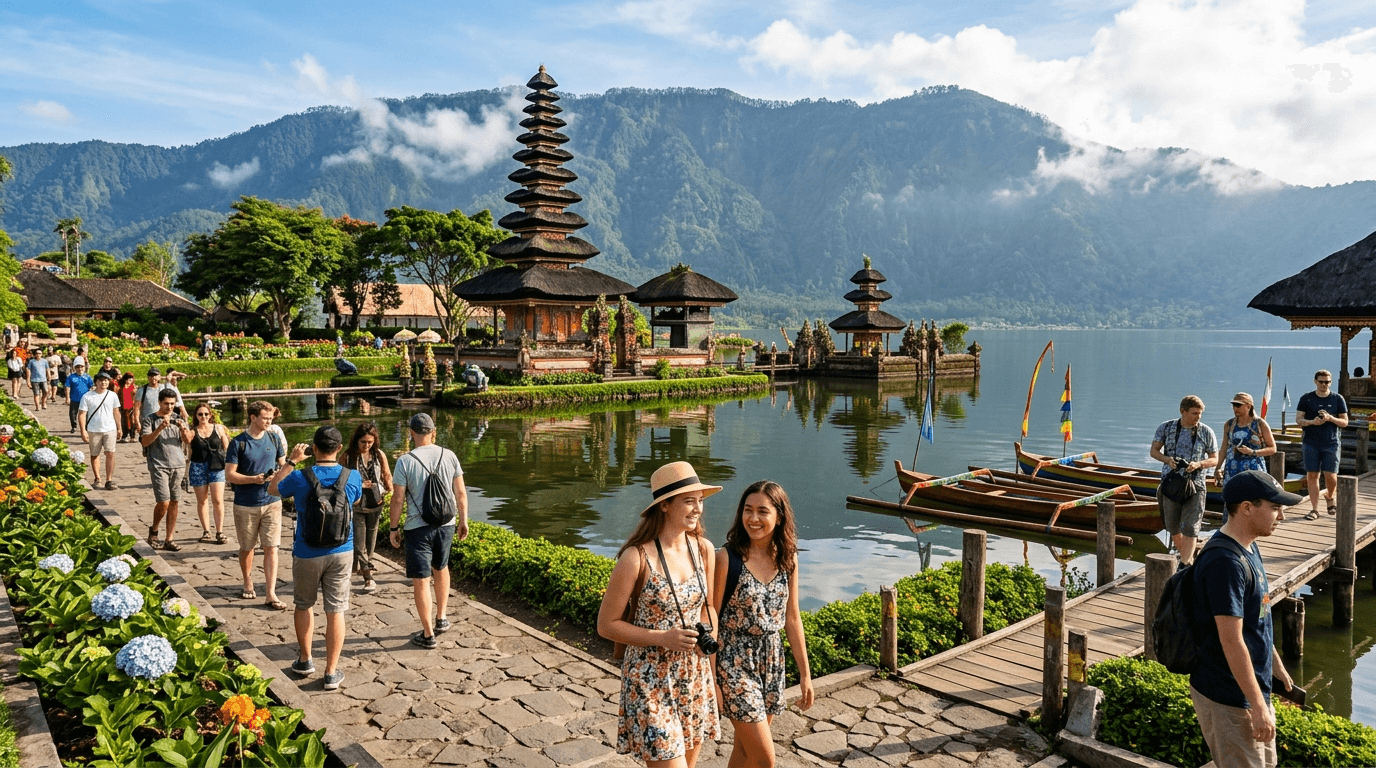
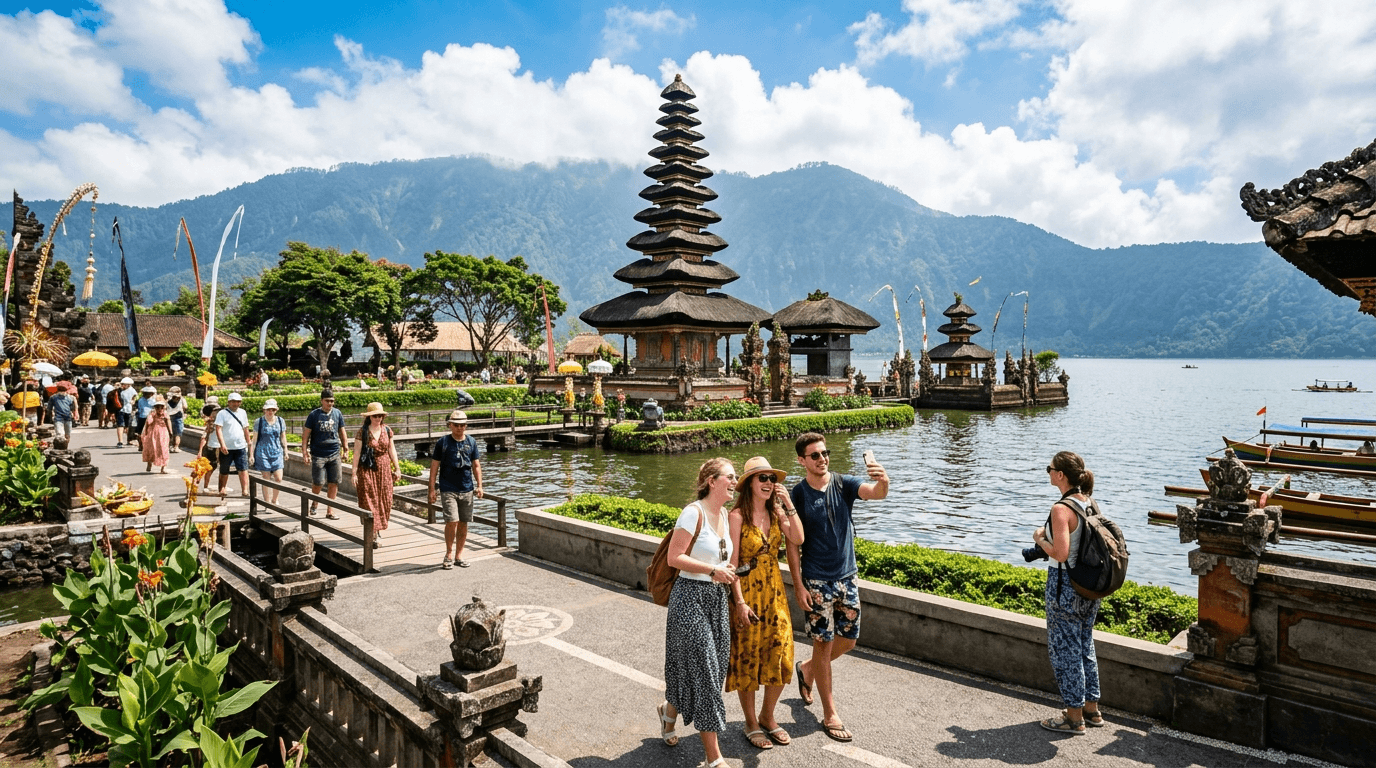

Bali, especially Ubud, is one of the world's top destinations for yoga teacher training, offering 200-hour and advanced YTT courses across many styles. Before booking, check that the school is Yoga Alliance registered, review the curriculum, teachers, schedule and what is included. Costs and dates vary widely, so compare programs and verify current details before committing.
- Top location
- Ubud, Bali
- Common course
- 200-hour YTT
- Advanced option
- 300-hour YTT
- Certification
- Choose Yoga Alliance registered schools
- Tip
- Compare curriculum, teachers and costs
- Ubud is the heart of Bali's yoga teacher training scene.
- Most courses are 200-hour foundations, with advanced 300-hour options.
- Confirm the school is Yoga Alliance registered for recognized certification.
- Review the curriculum, lead teachers, daily schedule and inclusions.
- Costs and dates vary, so compare programs and verify details before booking.